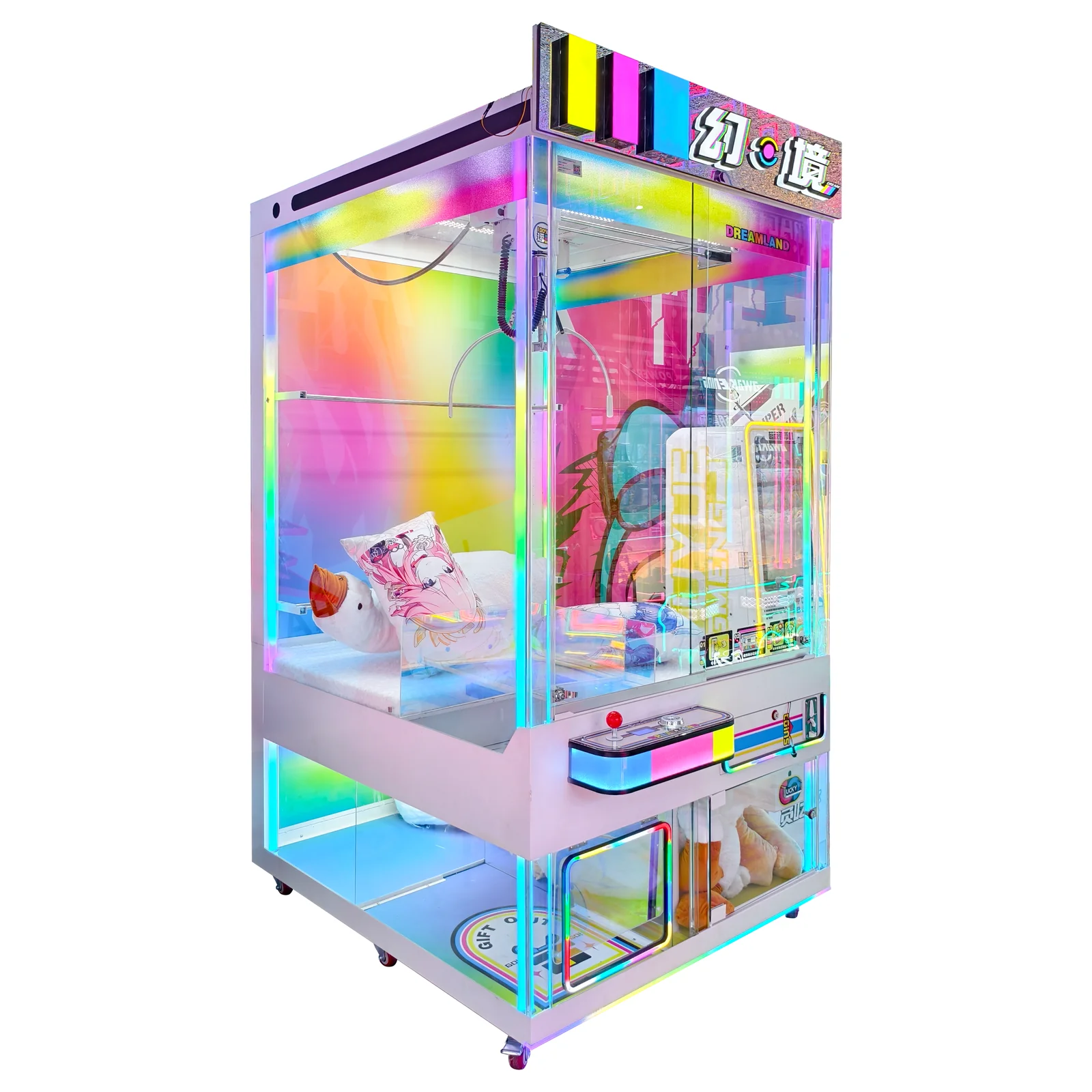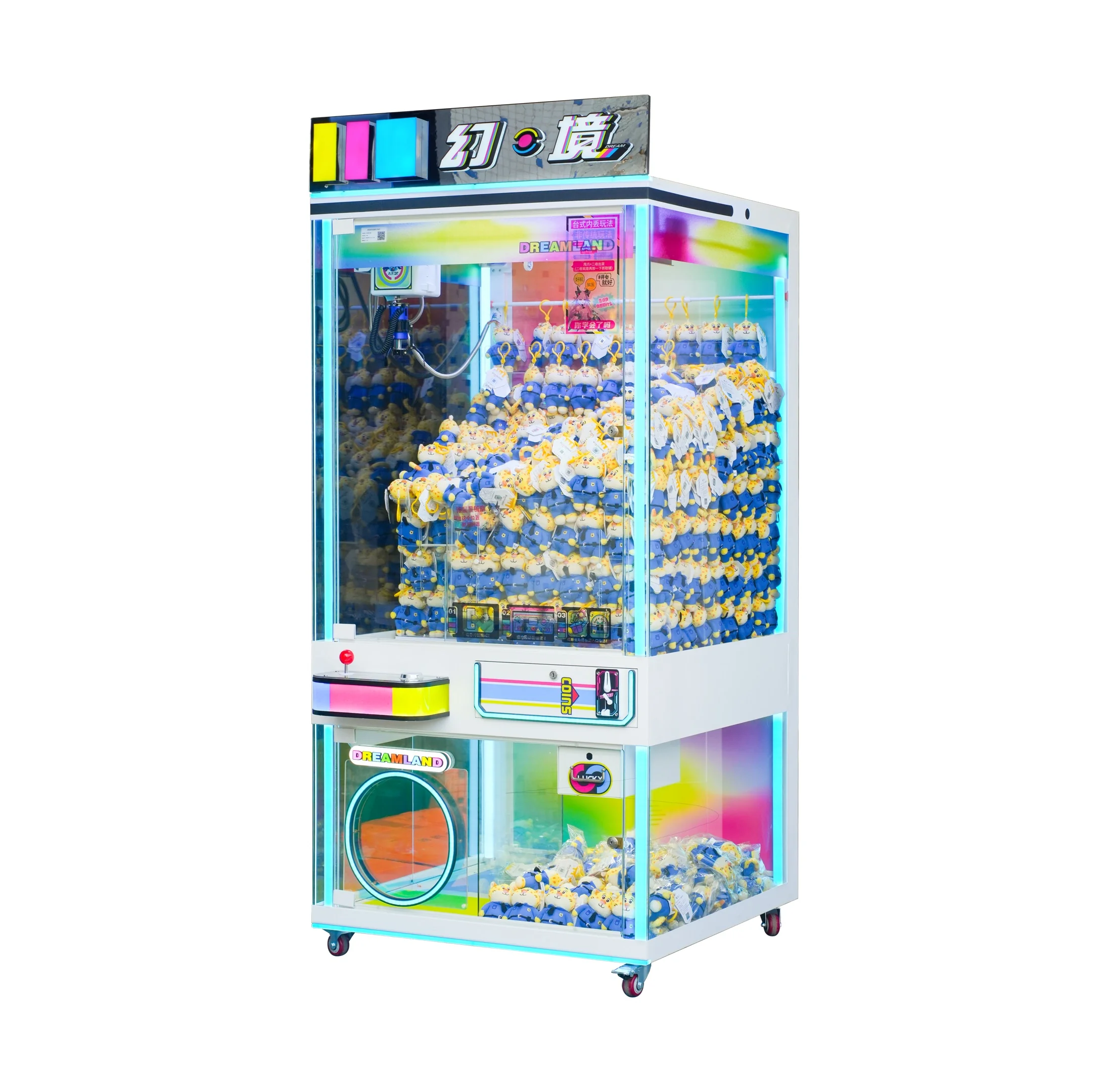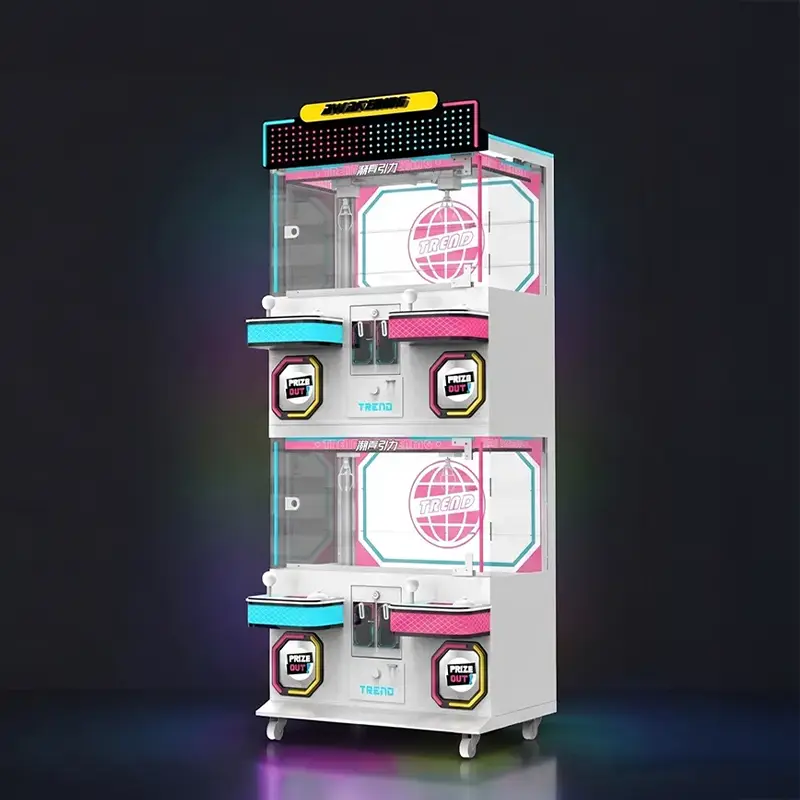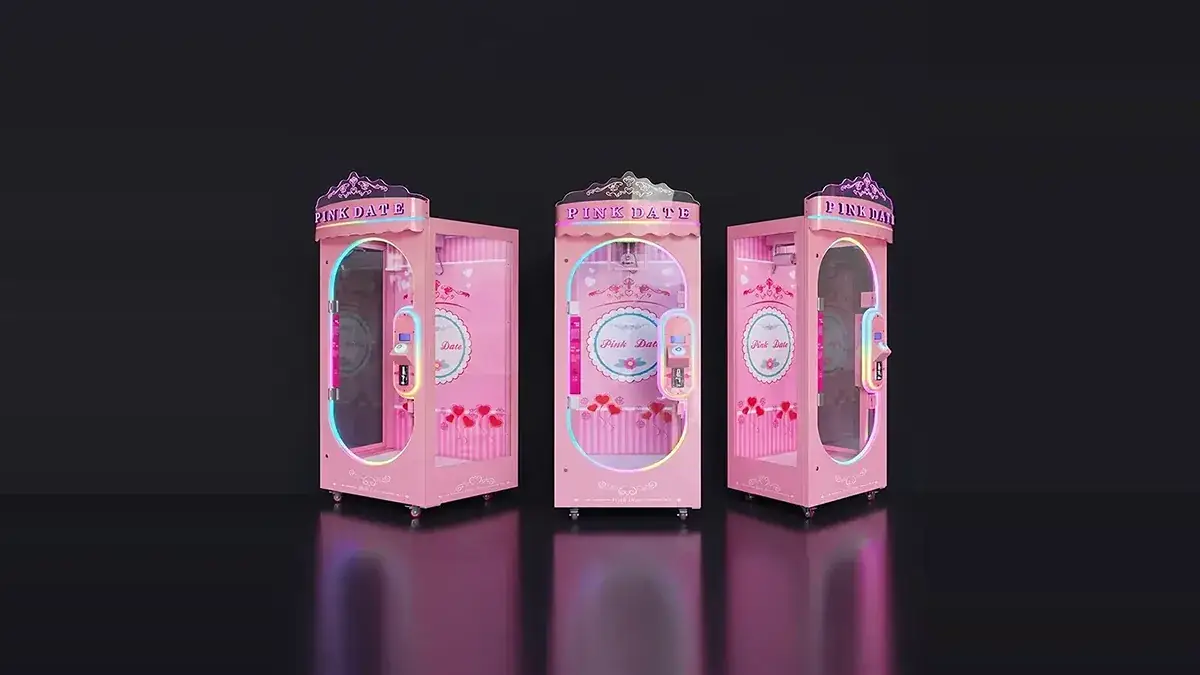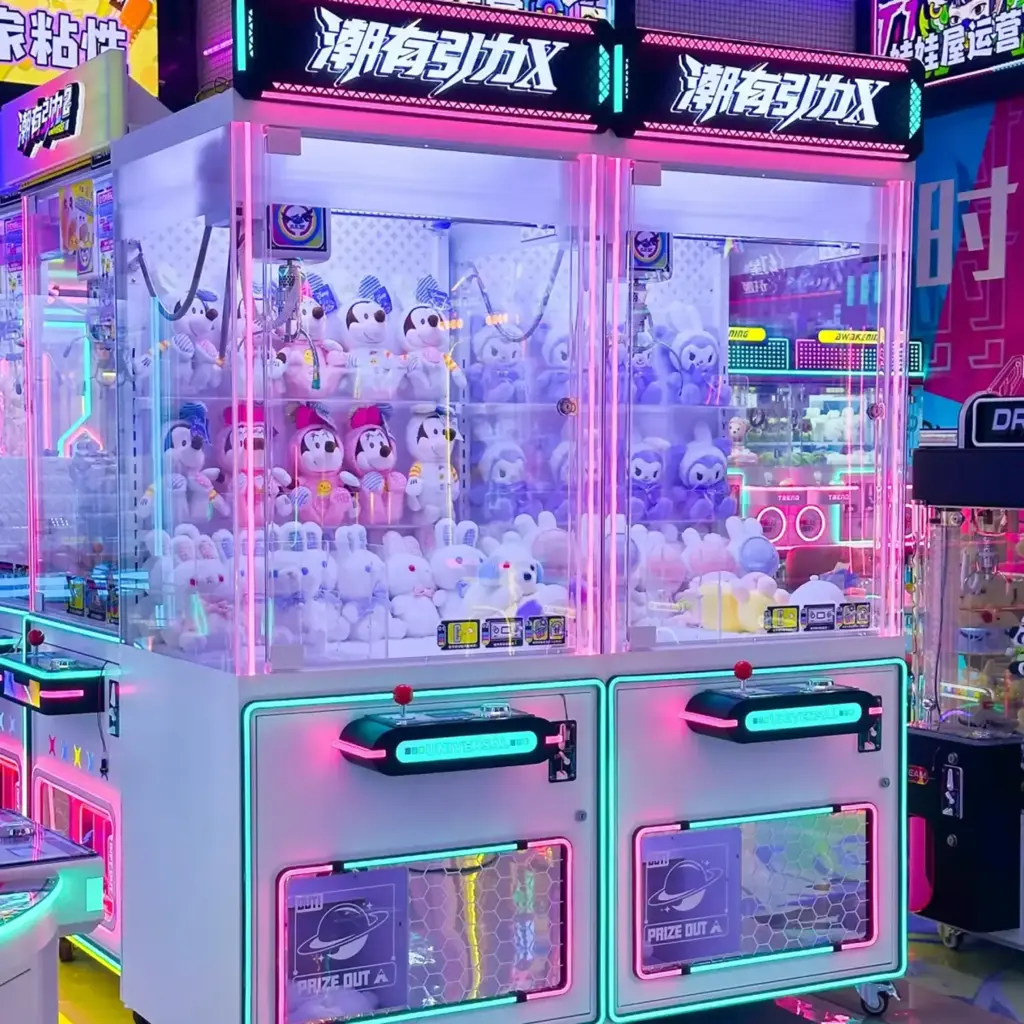
A practical commercial claw machine buying guide helps operators evaluate equipment quality, durability, and operating costs before making an investment. Choosing unreliable machines may result in frequent repairs, reduced uptime, and higher maintenance expenses in busy locations.
This guide examines the factors that influence commercial claw machine performance, including cabinet construction, mechanical reliability, συστήματα πληρωμών, και ελέγχους λογισμικού, helping operators make better purchasing decisions.
What Makes a Commercial Claw Machine Different?
Commercial claw machines use heavy-duty steel framing, certified safety systems, and programmable payout logic to maximize operator ROI over an average eight-to-ten-year lifecycle.
Why do some route operators replace their equipment every two years while others run the exact same cabinet for a decade? The difference lies in what actually defines a commercial claw machine—an armored, highly regulated revenue asset engineered to survive millions of cycles in high-traffic public venues.
Heavy-Duty Cabinet and Mechanical Construction
Place a standard toy-grade machine in a high-traffic retail entryway, and physical abuse will quickly break the cabinet. Industrial builds treat constant physical force, vibrations, and tampering as baseline operating conditions.
- Cabinet Armor: Heavy-duty reinforced steel framing, thick plywood cores, and tempered safety glass prevent vandalism, creating robust units that weigh over 120 lbs to ensure total physical stability on the floor.
- Industrial Gantry Systems: A 3-axis gantry driven by precision stepper motors and metal gears operates smoothly without drift, delivering a mechanical lifespan exceeding 50,000 cycles before major servicing.
- Scalable Footprints: Physical cabinet options range from space-saving countertop models designed for bars and cafés to massive jumbo units optimized for arcade anchor positions.
Matching the physical footprint to your location constraints guarantees you capture impulse plays without interrupting the natural flow of foot traffic.
Electrical Compliance and Public Safety Standards
Setting up an uncertified amusement machine in a public space carries significant liability. Commercial environments demand verified compliance with strict national safety standards to protect players and venues alike.
- Strict Compliance Labels: Venues require clear UL or ETL certifications to satisfy local electrical codes, building inspections, and insurance carrier standards.
- Continuous Duty Cycles: Built-in heat management and automated motor timeout features protect the electronics from overheating during continuous 14-to-18-hour daily operational runs.
- Hazard Minimization: Enclosed wiring harnesses, rounded safety corners, and anti-tip cabinet geometry prevent physical injuries in high-traffic, unsupervised locations.
These internal safety systems protect your business from sudden operational liabilities while maintaining maximum machine uptime.
Programmable Payout Logic and Prize Support
Toy-grade models rely on static, basic claws that drop prizes randomly. A genuine commercial machine runs on a precise balance of skill and math, ensuring players enjoy a rewarding experience while operators protect their bottom line.
- Adjustable Grip Logic: Onboard software interfaces let you adjust claw strength curves, hold times, and overall win probability ratios to manage player difficulty.
- Heavy Payload Support: Robust mechanical claws lift high-value items weighing up to 2 κιλά, supporting premium prizes like consumer electronics, branded figures, and designer plush.
- Automated Analytics: Intelligent digital configurations monitor game statistics in real-time, helping operators adjust settings to hit target margins without frustrating players.
Calibrating your payout software correctly keeps players coming back while keeping your average merchandise costs aligned with your target returns.
Monetization Hardware and Operating Economics
To turn a game into a viable business asset, you must have secure, modern options for capturing payments. The cash box area is often the primary target for physical tampering.
- Secure Payment Bays: Integrated panels house tamper-resistant coin acceptors, επικυρωτές λογαριασμών, and digital card terminals to accommodate diverse player payment preferences.
- Flexible Pricing: Software adjustments allow operators to set custom pricing tiers, multi-play discounts, and holiday promo packages matching local demographic spend.
- Consistent Returns: Well-positioned commercial placements consistently produce between $200 και $800 in monthly revenue, yielding a fast return on your initial equipment purchase.
Selecting a machine with durable construction, flexible payment options, and customizable software features can improve operational reliability and support long-term business development.
Key Features to Evaluate Before Buying
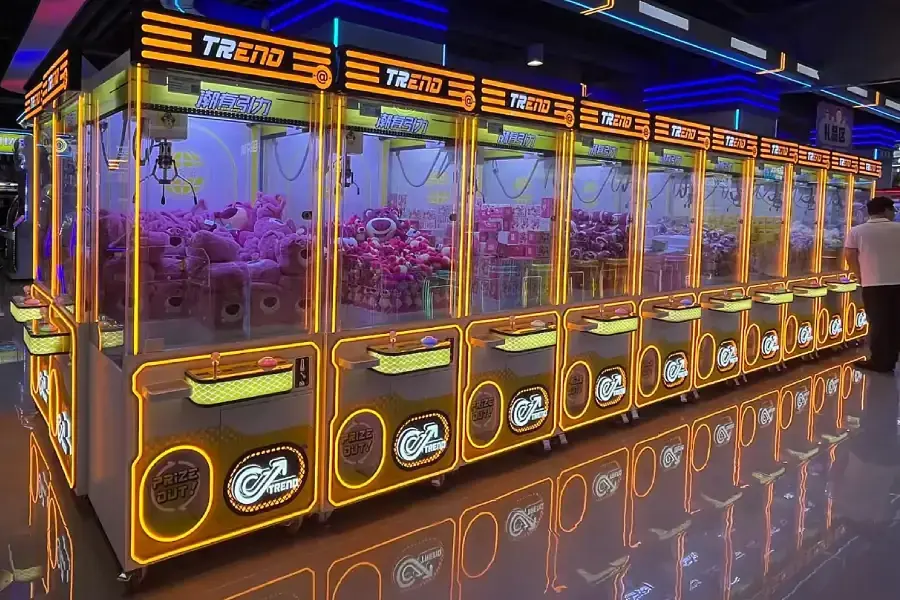
Prioritize heavy-duty steel frames, high-torque stepper motors, and multi-modal payment integrations to guarantee consistent uptime and protect your route profit margins.
Are you planning to purchase a commercial claw machine without verifying its underlying hardware specs first? This oversight often leads to costly venue downtime and rapid mechanical wear. To build a highly profitable route, you must evaluate the hardware as a capital asset rather than a simple novelty toy.
Cabinet Durability and Structural Integrity
- Frame Material: Choose heavy-duty steel or reinforced metal cabinets, ideally using ≥16-gauge cold-rolled steel to prevent warping instead of thin sheet metal or cheap particle board.
- Glazing Panels: Use tempered glass or shatter-resistant polycarbonate panels that resist vandalism and scratches in high-traffic commercial environments.
- Internal Alignment: Verify the internal frame remains completely rigid under operational stress to prevent misalignment of the gantry and claw rails.
Claw Mechanism and Precision Calibration Controls
- Claw Assembly: Treat the arm, motor, cable, and gripper as a single system, ensuring high-torque stepper motors drive the mechanism instead of low-end DC motors.
- Calibration Controls: Confirm the system offers fine-grained digital controls to adjust grab strength, drop strength, and target win rates directly via an operator menu.
- Prize Sensors: Select machines with dual prize sensors (combining physical weight plates and optical beams) to eliminate false wins and system drop errors.
Payment Integration and Remote Management Software
- Payment Ecosystem: Support multiple transaction types by integrating name-brand bill validators, coin acceptors, and modern cashless card or NFC mobile readers.
- Remote Analytics: Verify the management software provides remote diagnostics to track daily play counts, revenue metrics, real-time error logs, and win rates.
- Firmware Security: Opt for secure, network-based firmware updates to protect the machine’s payout algorithms and system configurations from local manipulation.
Prize Capacity, Visibility, and Aesthetic Design
- Prize Hopper Access: Select front-accessible hoppers with adjustable shelves to accommodate varying merchandise sizes ranging from 7 να 9 ίντσες.
- Visual Attraction: Maximize floor traffic conversion with high-visibility tempered glass, strategic internal LED spotlighting, and high-impact custom branding wraps.
- Profit Margins: Align your physical claw size and software settings to maintain a target prize cost ratio of 25% να 45% of gross machine revenue.
Maintenance Access, Warranty, and Supplier Verification
- Serviceability: Choose modular control boards and tool-less access panels that let your technicians perform quick, on-site part swaps without extending machine downtime.
- Certifications & Warranty: Verify supplier credentials like UL 62368-1, CE, or ISO 9001, and secure a minimum 24-month warranty covering major drive motors and mainboards.
- Testing Protocol: Execute an on-site stress test of 50 να 100 continuous plays to confirm payment validator reliability and claw grip consistency before finalizing the transaction.
Maximize Arcade Profits With Premium Claw Machines
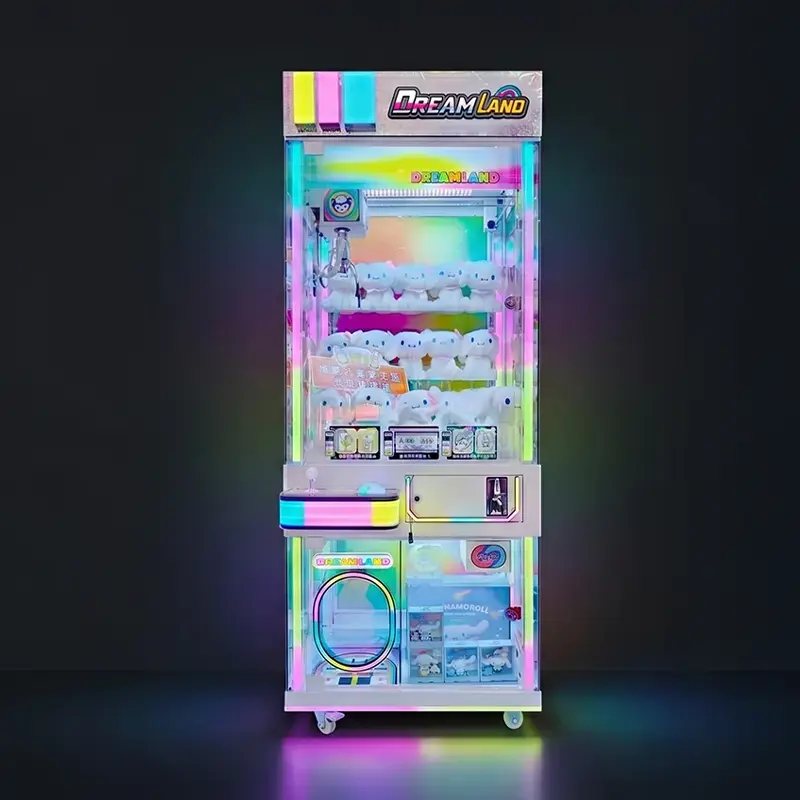
How to Compare Different Commercial Claw Machines
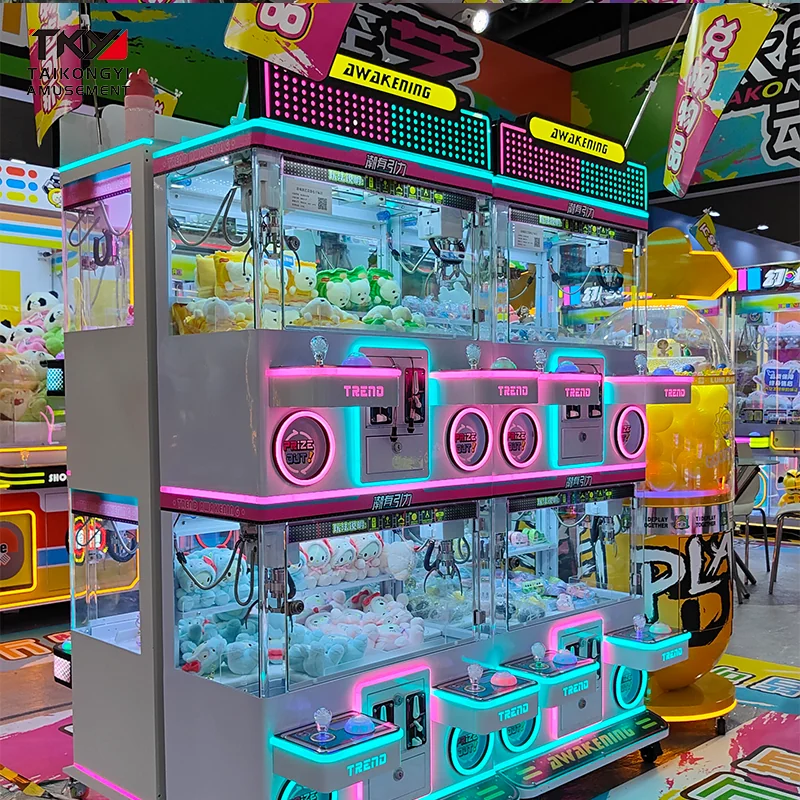
Profitable claw machine operation relies on verifying serial-matched safety certificates, heavy steel cabinet construction, and precise, software-controlled gantry systems.
Compliance and Safety Certifications
Working with suppliers that provide valid certifications, product documentation, and compliance information can help reduce risks during purchasing, εγκατάσταση, and operation.
When evaluating potential equipment, always demand serial-number-matched test reports for CE, RoHS, UL, or ETL listings rather than relying on generic factory assertions.
- CE & RoHS Compliance: This is a standard requirement for European Economic Area entry, proving LVD (Low Voltage Directive) and EMC standards are met.
- UL & ETL Listings: These certifications are treated as mandatory for North American commercial locations to satisfy local fire codes and landlord insurance policies.
- Hardware Safety Integrations: Look for visible, accessible emergency stop buttons, physical cabinet door interlocks, and RoHS 3-compliant PCBs.
- EMC Shielding: Proper shielding prevents electromagnetic interference with venue Wi-Fi, point-of-sale systems, and other electronic devices.
Cabinet Build Quality and Sizing Footprint
Commercial environments are punishing on coin-operated hardware. Players lean, shake, and kick the cabinets, meaning structural integrity directly impacts the physical lifecycle of your assets.
- Cabinet Framing: Prioritize ≥16-gauge cold-rolled steel or reinforced metal framing over thin sheet metal or laminated particle board.
- Glazing & Panels: Look for tempered safety glass or shatter-resistant polycarbonate panels to resist vandalism and maintain long-term scratch resistance.
- Internal Mounting: Verify robust mounting brackets for heavy X-Y-Z gantry systems, stepper motors, and drive belts to prevent rail misalignment during transport and play.
- Sizing Form Factors: Match cabinet dimensions to venue traffic:
- Mini/Countertop: 16-to-20-inch widths; ideal for bars and tight retail countertops.
- Πρότυπο: 24-to-32-inch widths; the versatile workhorse for restaurants and small routes.
- Jumbo: 36-to-48-inch widths; built to serve as anchor attractions in Family Entertainment Centers (FEC).
Claw Mechanics, Adjustment Control, and Payout Rates
The claw system is your primary revenue generator and profit protection mechanism. Traditional mechanical claws with fixed tension yield poor retention, as players quickly recognize a rigid, unfair game feel.
- Multi-Stage Control: Advanced boards allow operators to configure distinct voltages for initial grip, lift hold, and travel phases.
- Payout Calibration: Target a payout rate between 12% και 22% of gross revenue, depending on your local market and the cost of the prize inventory.
- Play Dynamics: Test the gantry response to confirm steady drop speeds, precise claw closure timing, and minimal lateral swing during carriage return.
Payment System Compatibility and Revenue Integration
A machine that cannot easily accept payment will fail to hit ROI targets. Modern player demographics are shifting away from physical cash, making payment flexibility a core operational priority.
- Multi-System Support: The cabinet must support modular installations, allowing simultaneous integration of locking coin comparators and paper bill acceptors.
- Cashless Systems: Verify built-in support for RFID readers, credit card tap-to-pay terminals, and app-based QR code payments.
- Network Compatibility: Confirm the motherboard uses open protocols (like UART over TTL) to integrate with existing hybrid venue management networks.
Operating Performance, Reliability, and Maintenance Benchmarks
Downtime is lost revenue. In high-traffic environments, a broken machine costs hundreds of dollars per day in missed plays, making maintenance access and hardware reliability critical.
- Serviceability Features: Seek modular control boards, easily accessible front or rear service panels, and clearly labeled wiring diagrams.
- Reliability Benchmark: Target high-frequency units that demand fewer than 1.2 service calls per 1,000 plays.
- Uptime Standards: Select suppliers that guarantee a minimum 94.2% operational uptime rate after six months of active field deployment.
- Spare Parts SLA: Ensure the distributor guarantees replacement parts delivery (such as claw coils, ζώνες, and boards) within 48 business hours.
Balancing these technical variables allows you to scale a route efficiently. By focusing on certified safety, δομική αντοχή, and granular payout control, you ensure your equipment remains a reliable revenue asset for years.
Importance of Machine Durability and Maintenance
Unplanned downtime directly drains arcade profits. Prioritizing commercial claw machine durability and preventative service keeps failure rates below 5% and secures 15% να 20% higher long-term earnings.
To maximize earnings on your route, understand that machine durability and maintenance are key. A broken machine in a high-traffic spot is a dead asset that actively loses money every hour it sits unplayed.
Financial and Operational Impact of Machine Uptime
A broken μηχανή νυχιών is an operational failure that impacts the bottom line immediately. High-traffic locations cannot afford out-of-service equipment. Consistent preventive care changes the economics of route management, turning high repair bills into predictable, low-cost operating expenses.
- Downtime Losses: Out-of-order machines in high-traffic arcades cost operators 200 να 500 units in lost daily revenue.
- Maintenance Economics: Routine preventive upkeep keeps failure rates under 5% and cuts annual repair costs to 2,000 yuan, compared to over 10,000 yuan for neglected hardware.
- Long-Term Yield: Operators prioritizing structural durability and scheduled maintenance secure 15% να 20% higher long-term earnings by keeping equipment running continuously.
Equipment Lifespan and Key Reliability Metrics
Φτηνός, low-quality imports often fail within a few seasons, forcing operators to reinvest capital too early. Industrial-grade commercial machines are built to withstand millions of plays over several years, spreading the initial acquisition cost over a long, highly profitable lifecycle.
- Machine Lifespan: Solid, high-quality commercial units deliver an 8 to 10-year service life, while lower-quality alternatives often require complete replacement within 2 να 3 χρόνια.
- Reliability Target: A target Mean-Time-Between-Failure (MTBF) του 1,200 hours serves as the technical baseline for dependable commercial crane operations.
- Motor Service Life: Claw motors require proactive replacement planning as they approach 5,000 hours of cumulative play to prevent unexpected breakdowns.
Critical Durability Features to Prioritize When Buying
Do not make purchasing decisions based on bright graphics alone. Look closely at the raw specifications of the frame, the design of the gantry, and how the internal wiring is organized. These physical features dictate how the machine handles player force and transport wear.
- Chassis Construction: Heavy-duty steel cabinets and powder-coated metal frames prevent structural warping, gantry misalignment, and corrosion in damp spaces.
- Player-Facing Parts: Industrial-grade joysticks, reinforced claw assemblies, and high-torque motors are necessary to resist constant physical player force.
- Serviceable Architecture: Modular internal layouts with organized wiring, built-in diagnostic screens, and easily removable components speed up repair times and lower labor costs.
Structured Maintenance Schedules for Commercial Operators
Relying on reactive repairs is a recipe for high downtime. Successful route operations run on strict, calendar-based checklists. Simple weekly and monthly tasks keep the gantry moving smoothly and prevent mechanical sticking before it frustrates players.
- Daily Routines: Field staff must clean cabinet glass, test joystick responsiveness, and clear any prize chute blockages.
- Weekly and Monthly Actions: Technical teams should inspect claw tension, clean internal electronics, and grease gantry rails to lower mechanical sticking by 20%.
- Location Tuning: High-traffic venues require weekly or daily walk-through checks, but lower-traffic retail sites operate reliably with monthly inspections.
Environmental Management and Spare-Parts Planning
Even the most durable machine will struggle in a poor operating environment. Dust and high humidity degrade sensitive electronics and cause metal parts to rust. Operators must protect their capital by managing the air quality around the machine and holding a local stock of critical wear items.
- Atmospheric Control: Managing dust and humidity around your machines reduces electrical failures by approximately 30% and slows metal oxidation.
- Spare Parts Stocking: Keep high-wear items like joysticks, claw springs, and optical sensors on hand to bypass 1-to-8-week shipping lead times from overseas factories.
- Software Stability: Leverage manufacturer after-sales support and install regular firmware updates to prevent software glitches and keep payment devices working.
Customization Options for Business Applications
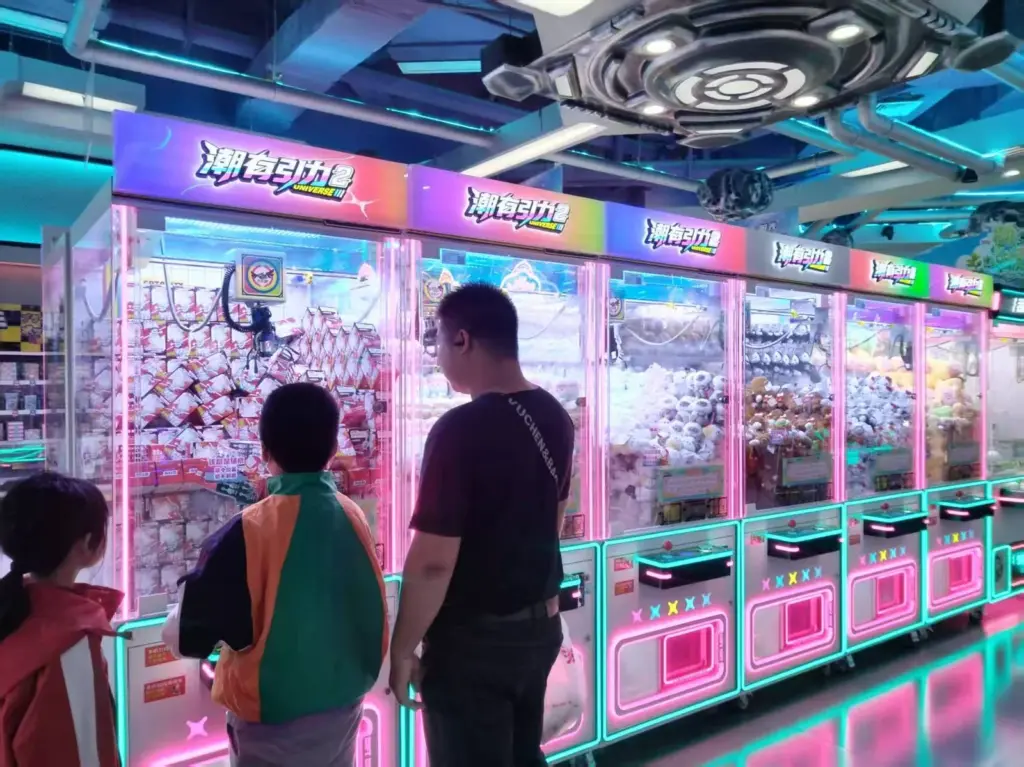
Target specific player demographics and lock in predictable ROI by configuring your claw machine’s hardware, gantry mechanics, payment methods, and branding assets directly at the manufacturing level.
How do you turn a generic arcade game into a high-yield retail asset? Standard off-the-shelf equipment rarely maximizes player engagement, which is why commercial operators look for targeted customization options for business applications to align hardware with local demographics. Specifying your builds directly with the factory ensures the cabinet serves as a direct extension of your brand while protecting your operating margins.
Visual Design, Cabinet Structures, and Sensory Attraction
A machine’s physical presentation dictates its initial draw in high-traffic commercial environments. Operators can alter the entire structural and visual profile of the cabinet during the manufacturing phase to match the exact aesthetic requirements of their venue.
- Full UV-Printed Cabinet Wraps: Apply high-resolution, durable wraps across all exterior panels, control decks, marquees, and prize doors to establish an instant connection with corporate branding or specific intellectual properties.
- Configurable Cabinets: Select footprints ranging from space-saving countertop models under 20 inches wide for tight retail corners up to massive multi-player centerpiece layouts for high-volume family entertainment centers.
- Programmable RGB LED Systems: Deploy custom lighting sequences and synchronized audio effects that cycle during idle periods to act as an active attraction loop, pulling in passersby and extending player dwell time.
Payment Systems and Software Localization
To capture maximum impulse play, you must remove all payment friction. Customizing the payment interface allows you to adapt the machine to local consumer spending habits and integrate it with your venue’s pre-existing payment infrastructure.
- Flexible Payment Modules: Equip cabinets to accept traditional coins, custom tokens, cashless RFID card systems, and digital QR-code wallets to match regional preferences.
- Multilingual User Interfaces: Deploy localized firmware and interactive touchscreen menus designed to serve tourists, international shopping centers, and global deployment routes.
- Digital Attract Displays: Utilize integrated high-definition screens to loop corporate advertisements, seasonal promotions, or custom branding videos directly to prospective players.
Gameplay Mechanics and Reward System Calibration
The profitability of a commercial crane operation relies on precise margin controls. Calibrating the claw’s mechanical behavior and the software’s payout settings ensures you maintain a stable prize-cost-to-revenue ratio while keeping players motivated to try again.
- Gantry and Claw Calibration: Match gantry travel speeds, physical claw dimensions, and adjustable grip-strength voltages directly to the size, weight, and surface friction of your targeted merchandise.
- Win-Rate Algorithms: Program precise win probabilities and guaranteed win parameters into the firmware to guarantee the machine stays within the standard 25% να 45% prize cost target.
- Prize Bay Configurations: Swap standard display floors for capsule drops, specialized candy chutes, or custom secure shelves built specifically to show off high-value consumer electronics.
Operational Integration and Remote Fleet Management
Minimizing on-site technician hours is a key requirement for scaled routes. Customizing the internal hardware layout and software backend allows operators to run high-uptime routes with limited administrative friction.
- Smart Venue Management: Connect your machines to central cloud networks to track live player metrics, real-time revenue collection, and prize depletion levels remotely.
- Loyalty Network Integration: Link the terminal’s software with existing customer loyalty programs, allowing players to exchange digital membership points for plays or redeem physical wins for app-based points.
- Ergonomic Service Layouts: Specify front-access service panels, tool-less coin trays, and quick-release modular gantry assemblies to allow your floor staff to restock and clean the unit in seconds.
Bespoke Customization Strategies by Business Scenario
A single configuration does not fit every operating environment. Different commercial setups require distinct layouts, custom software parameters, and targeted merchandising strategies to optimize their return on investment.
- Εμπορικά κέντρα & Retail Stores: These locations perform best with full high-impact UV cabinet wraps, low-friction mobile wallet scanners, and merchandise that cross-promotes in-store product lines to drive foot traffic.
- Στοές & Κέντρα Οικογενειακής Ψυχαγωγίας (FEC): These venues demand durable steel cabinets, seamless integration with existing cashless card-reader networks, large-capacity prize bays, and tightly calibrated payout algorithms to handle high play frequencies.
- Temporary Brand Activations: Experiential events rely on free-play modes triggered by email registration QR codes, highly challenging skill curves, custom event tokens, and exclusive branded merchandise to capture leads and drive social media shares.
Matching these hardware and software specifications to your specific commercial environment ensures the equipment remains highly profitable while minimizing operational overhead. Working directly with an experienced manufacturer allows you to build a cohesive fleet optimized for your target audience’s exact habits.
How to Choose a Reliable Claw Machine Supplier
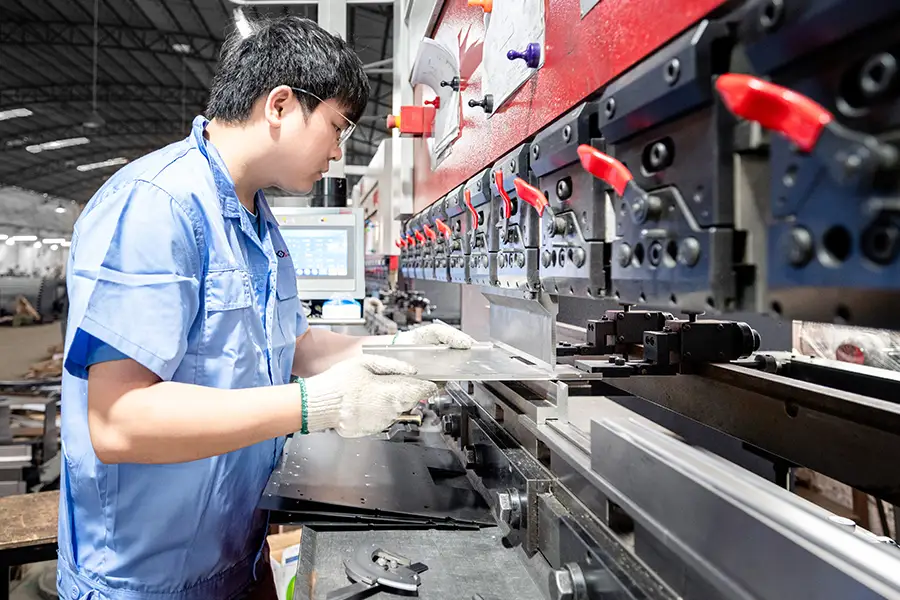
How do you separate high-performance arcade assets from cheap, disposable metal boxes when trying to choose a reliable claw machine supplier? In commercial route operations, picking the wrong partner means constant downtime, lost coins, and frustrated players. Savvy buyers ignore low sticker prices and evaluate factory capability, quality systems, and after-sales support networks instead.
Evaluate suppliers on verified factory ownership, documented quality checks, and guaranteed spare parts availability to protect route uptime and secure a 6-to-12-month payback period.
| Evaluation Area | What to Verify | Strong Operational Signal |
|---|---|---|
| Βιομηχανοποίηση | Direct factory vs. trading setup | Own factory, 5+ years experience, arcade specialization |
| Ποιοτικός έλεγχος | Pre-shipment testing logs | Documented burn-in tests, 3rd-party AQL inspections |
| Συμμόρφωση | Model-specific certifications | Valid CE, RoHS, UL/ETL matching the exact model |
| Support Network | Spare parts and response SLA | 24-hour tech response, 48-hour parts shipping, 24+ month warranty |
Factory Verification and Quality Control Protocols
When evaluating suppliers, buyers should confirm whether they are working with a direct manufacturer or a trading company, as this can affect customization options, pricing transparency, and after-sales communication.
Direct factory relationships provide transparency, parts consistency, and reliable build quality. Vetting a supplier at the source mitigates operational risk before you wire a deposit.
- Virtual Factory Audits: Differentiate true manufacturers from trading companies using direct workshop video walks or virtual factory tours.
Manufacturing Experience: Consider suppliers with relevant experience in amusement equipment production, supported by product records, quality documentation, and customer references.
- Quality Evidence: Request documented in-process and pre-shipment quality inspection records instead of accepting verbal assurances.
- AQL Standards: Validate quality systems using third-party inspections and Acceptable Quality Level (AQL) benchmarks to guarantee batch reliability.
Mechanical Durability and Compliance Certifications
Public installations require durable hardware designed for frequent use. Poor-quality components or insufficient protection may increase maintenance needs and affect long-term operating costs.
- Commercial Build Specs: Evaluate structural cabinets, drive motors, and claw assemblies built specifically for continuous, εμπορική λειτουργία υψηλής συχνότητας.
- Burn-in Test Data: Request long-run burn-in test logs to confirm claw mechanisms resist jamming or loosening over thousands of plays.
- Model-Specific Certification: Confirm valid, model-specific CE, RoHS, or local safety compliance certificates matching the exact machine being imported.
Technical Customization and After-Sales Support Networks
Your business goals and venue type dictate the required technology level. A cash-only setup may be less suitable for some modern venues where cashless payments, remote management, and customized designs can improve operational flexibility.
- Payment Integrations: Confirm that the machine supports payment methods suitable for your target market and venue requirements.
- OEM Customization: Check whether the supplier can customize cabinet designs, branding elements, software settings, and gameplay features according to your business requirements.
- Spare Parts Supply: Confirm immediate access to a reliable spare parts supply chain for critical wear items like gantry cables, claws, and sensors.
Total Cost Analysis, Sample Testing, and Contract Security
A cheap sticker price can blind operators to massive backend expenses. High downtime, expensive freight, and scarce spare parts will erase any upfront savings. Smart procurement balances purchase price against long-term operational economics.
- Συνολικό κόστος ιδιοκτησίας (TCO): Evaluate total procurement costs by factoring in shipping, customs, ανταλλακτικά, and expected downtime rather than raw unit price alone.
- Sample Testing Protocol: Purchase a fully functional sample machine to run field trials, measuring fault rates and player appeal before bulk ordering.
- Contractual Protections: Secure detailed purchase contracts defining warranty terms, component coverage, parts replacement SLAs, and delivery dates.
Aligning your business with a supplier that meets these testing, compliance, and support criteria establishes a predictable revenue foundation. Robust vetting protects your initial capital and ensures your machines keep earning cycle after cycle.
Συχνές Ερωτήσεις
What is a commercial claw machine?
A commercial claw machine is an electromechanical amusement device designed for public, coin- or card-operated entertainment in high-foot-traffic venues like arcades, εμπορικά κέντρα, and cinemas. Built with durable steel frames and adjustable operator settings for claw strength and payout rates, these machines function as revenue-generating business assets rather than personal hobby toys.
How much does a commercial claw machine cost?
Standard upright commercial claw machines typically cost between $1,500 και $6,000, which offers the best balance of build quality and return on investment for route operators. Compact or countertop mini units start under $1,000, while large-format deluxe or custom themed flagship installations can range from $10,000 to over $30,000.
Are commercial claw machines profitable?
Ναί, well-managed machines in high-traffic locations can be highly profitable, often generating $300 να $800 in monthly net revenue after prize costs, with top-tier spots exceeding $1,200. Operators typically target gross margins of 50% να 70% (reaching up to 85% in optimal setups), leading to a fully loaded investment payback period of 6 να 18 months.
What should I look for when buying a claw machine?
Focus on structural durability like a powder-coated steel frame and tempered safety glass, reliable stepper motors (such as NEMA-17) for precise motion, and highly adjustable claw strength and payout settings. Ensure the machine supports versatile payment options including cashless card readers and has readily available spare parts with a strong manufacturer warranty.
What certifications should commercial claw machines have?
For North American operations, machines must have UL or ETL electrical safety listings and FCC electromagnetic compatibility markings. European operations require CE marking (specifically CE-EMC and CE-LVD) alongside RoHS environmental compliance, while choosing a manufacturer with ISO 9001 certification ensures consistent build quality.
How long do commercial claw machines last?
High-quality commercial claw machines generally last 5 να 10 years under continuous public use, and premium units can reach 10 να 20 years with diligent preventative maintenance. Αντίθετα, low-end budget imports built with thin metal and cheap polymer gears frequently fail or show severe wear within 2 να 3 χρόνια.
Can commercial claw machines be customized?
Ναί, commercial manufacturers offer extensive customization options, including custom vinyl cabinet wraps, branded prize bay interiors, custom LED patterns, synchronized audio tracks, and modified claw dimensions. Operators can also program specific claw strength curves, pricing packages, and localized software interfaces to match their target audience.
Should I buy directly from manufacturers?
Sourcing directly from manufacturers is ideal for multi-site operators seeking the lowest unit costs, volume discounts, and complete customization freedom. Sourcing direct requires operators to manage international shipping, customs clearance, and import duties, making local distributors a simpler choice for single-machine buyers.
Τελικές Σκέψεις
While toy-grade machines may have a lower upfront cost, commercial claw machines are built with stronger cabinets, reliable electrical systems, and durable components for long-term use.
Request a catalog or sample unit to evaluate machine quality and performance. Our team can help with OEM customization, payment solutions, and configurations based on your venue needs.