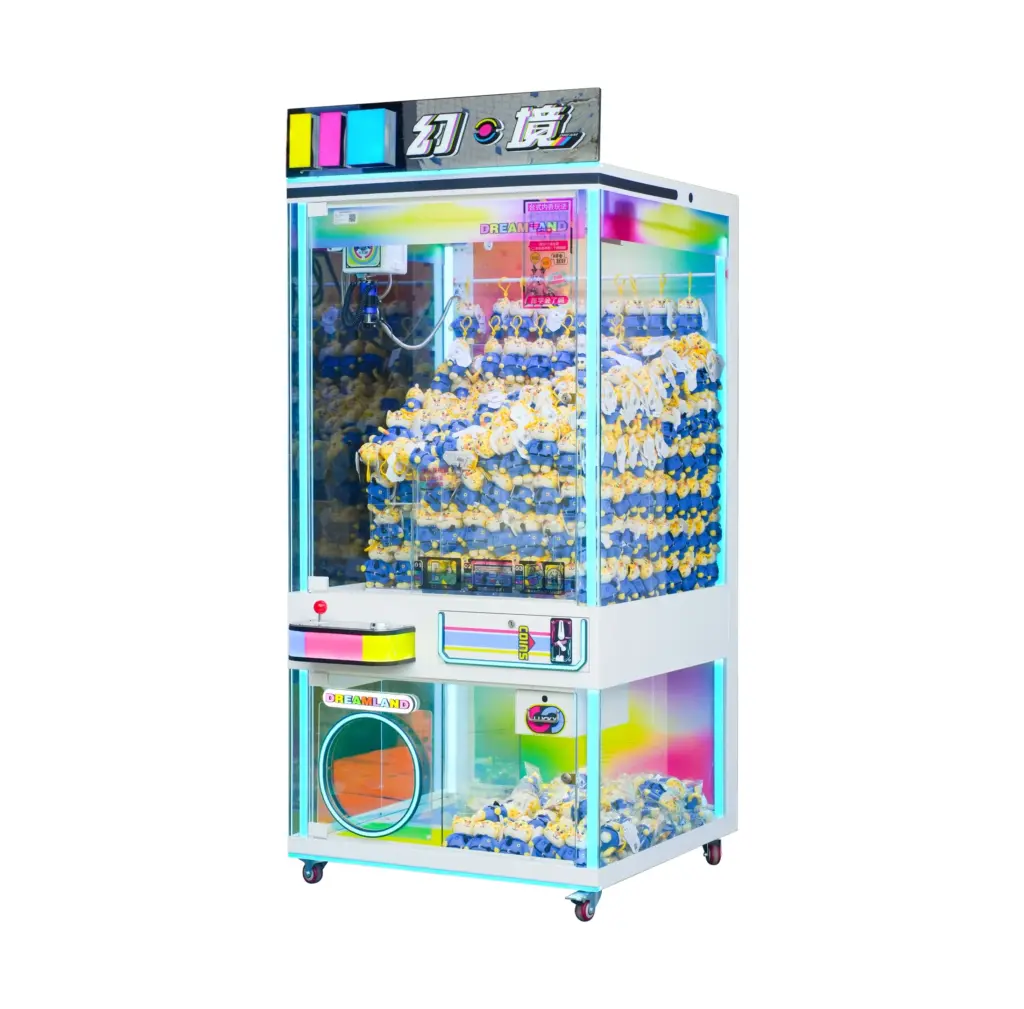
Iniciar un negocio de salas de juegos requiere un plan financiero y espacial claro. sin uno, colocación ineficiente de la máquina, términos de arrendamiento inadecuados, y subestimar los costos operativos puede ejercer presión sobre su capital antes de que el lugar alcance un nivel operativo estable..
Esta guía revisa los modelos comunes de ingresos de las salas de juegos., consideraciones de planificación del piso, requisitos del equipo, y categorías de costos iniciales. Su objetivo es ayudar a los nuevos operadores a comparar diferentes formatos de lugares y crear un presupuesto adecuado a su ubicación y a sus clientes objetivo..
Comprensión del modelo de negocio Arcade
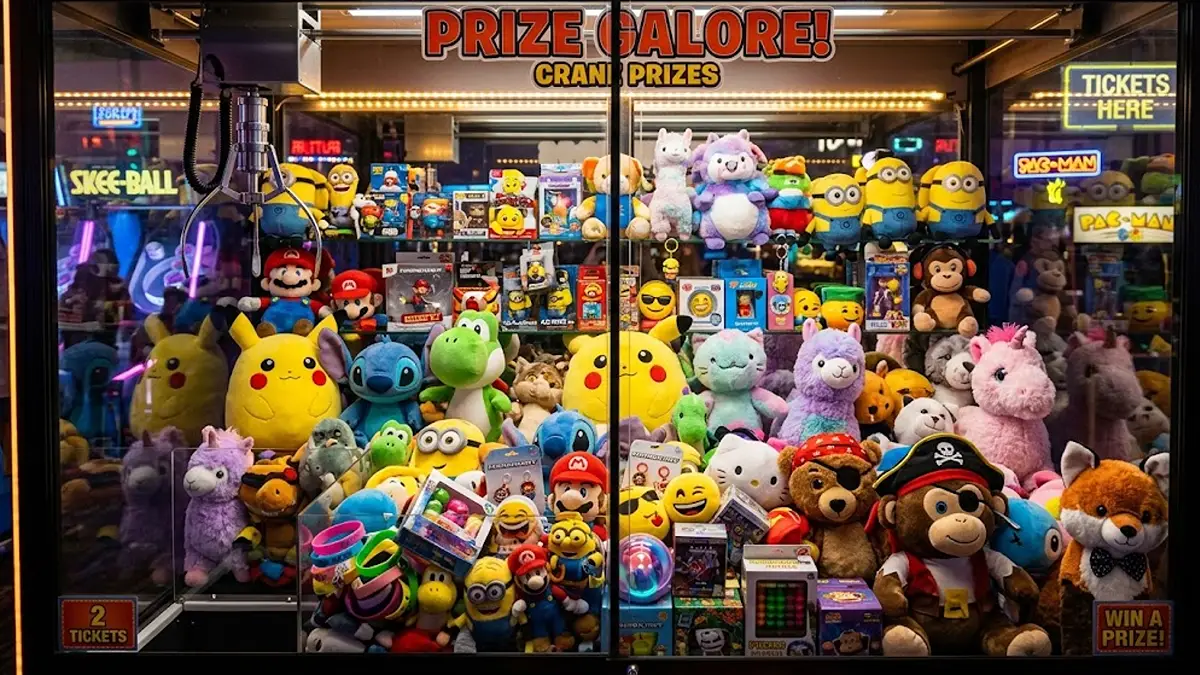
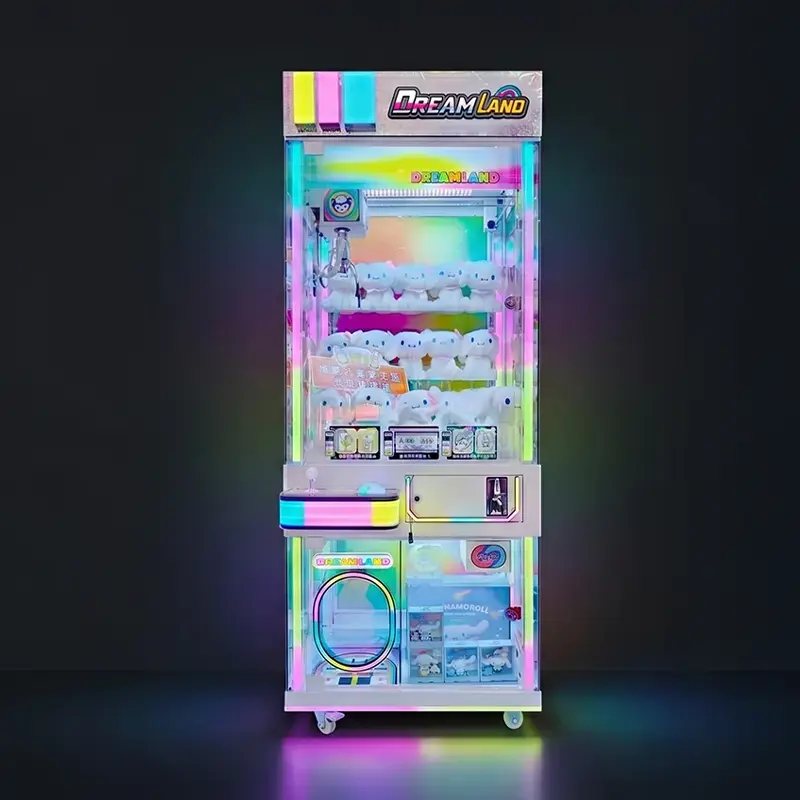
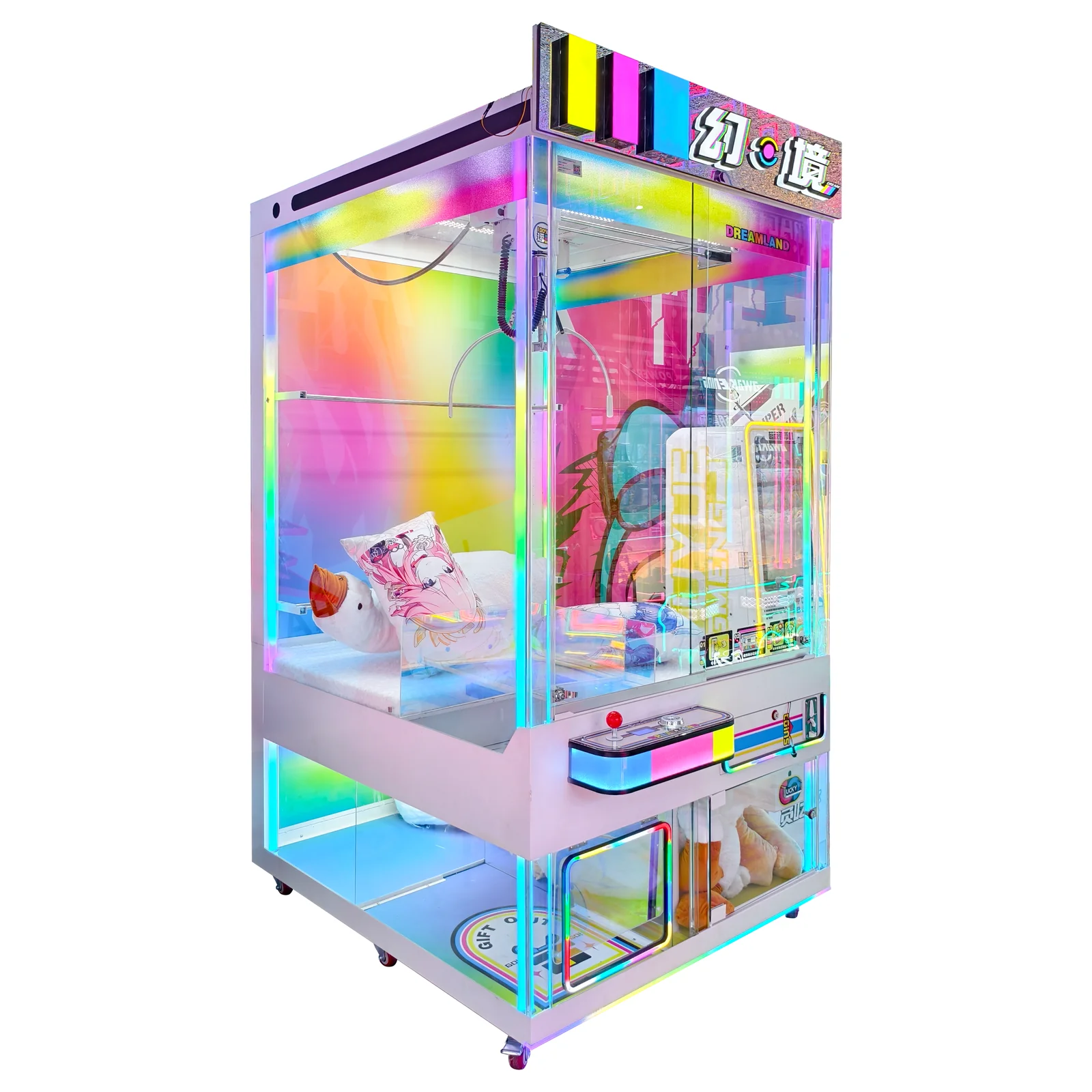
Muchos lugares de diversión modernos combinan juegos de redención., maquinas de garras, maquinas de premios, y comida opcional, bebida, o servicios de eventos para aumentar el tiempo de permanencia del cliente y hacer un mejor uso del espacio disponible.
Construir un lugar de entretenimiento rentable requiere una comprensión clara del modelo comercial moderno de salas de juegos., que maximiza los ingresos por pie cuadrado a través de reproducciones de alta frecuencia. Los operadores deben elegir cómo los huéspedes pagan por su entretenimiento, ya que esta elección da forma a todo el flujo de clientes y al tiempo de permanencia en el lugar.
Modelos de ingresos primarios e hibridación
Los lugares modernos dependen de estructuras de monetización distintas para impulsar una frecuencia de transacciones consistente. La transición de los tradicionales lanzamientos de monedas a modelos de entrada flexibles cambia la forma en que los clientes gastan su tiempo y dinero..
- Pago por juego tradicional: Las tarjetas de valor almacenado o los tokens físicos se monetizan a corto plazo, 1-sesiones de juego de 3 minutos directamente.
- Entrada con tarifa plana: Cambia la monetización al acceso basado en el tiempo, eliminar la fricción en los pagos y aumentar el tiempo de permanencia de los huéspedes.
- Estructuras híbridas: Combina juegos arcade con comida, bebida, eventos, u otras ofertas complementarias. Este modelo puede diversificar los flujos de ingresos al tiempo que fomenta visitas más prolongadas de los clientes y crea oportunidades adicionales de gasto..
La combinación del juego basado en el tiempo con el servicio de alimentos maximiza tanto el rendimiento de la máquina como los márgenes de los alimentos.. Este enfoque de ingresos múltiples reduce la dependencia únicamente de los juegos.
Flujos de ingresos clave y márgenes de reembolso
Las líneas de ingresos van mucho más allá de los gabinetes de juegos estándar. Las ubicaciones de alto rendimiento convierten los premios y refrigerios en importantes motores de ganancias que subsidian el mantenimiento del juego..
- Jugabilidad principal: Sirve como base principal, dibujando jugadas repetidas constantes.
- F&B y eventos organizados: Paquetes de reservas de grupos y fiestas para elevar el gasto de los huéspedes más allá del juego automático independiente.
- Control del margen de reembolso: Mantiene estrictas relaciones de costo entre boleto y premio., Preservar un alto margen en el inventario dispensado..
Mantener bajos los costos de los premios mayoristas en relación con los ingresos del juego garantiza que el contador de canjes siga siendo un impulsor principal del margen neto.. El seguimiento confiable del inventario mantiene el costo de los bienes vendidos dentro de objetivos predecibles.
Estrategia de combinación de juegos y economía del espacio
La distribución del suelo es un ejercicio de gestión del rendimiento. Los operadores deben asignar espacio en función de las ganancias históricas por pie cuadrado para evitar zonas de bajo rendimiento..
- Mezcla de espacio de piso: Asignar espacio según el concepto del lugar., rendimiento de la máquina, flujo de clientes, y superficie disponible. una mezcla de maquina de garrass, maquinas de premios, juegos de redención, y los gabinetes de video se pueden probar y ajustar después del lanzamiento.
- Ancla vs.. Unidades de beneficio: Utiliza simuladores masivos como anclajes visuales para atraer el tráfico peatonal., apoyado por denso, exhibidores de bajo mantenimiento.
- Punto de referencia de ganancias semanales: Realice un seguimiento de los ingresos semanales y del volumen de reproducción por máquina y ubicación. Compare los resultados a lo largo del tiempo para establecer puntos de referencia de rendimiento realistas e identificar máquinas que puedan requerir precios, colocación, o ajustes de configuración.
El seguimiento del rendimiento por máquina ayuda a los operadores a identificar gabinetes de bajo rendimiento y a decidir si reubicarlos, ajustar, reemplazar, o retirarlos. Revisar periódicamente la combinación de juegos también puede hacer que el lugar sea más atractivo para los clientes que regresan..
Selección de ubicaciones rentables para equipos de arcade
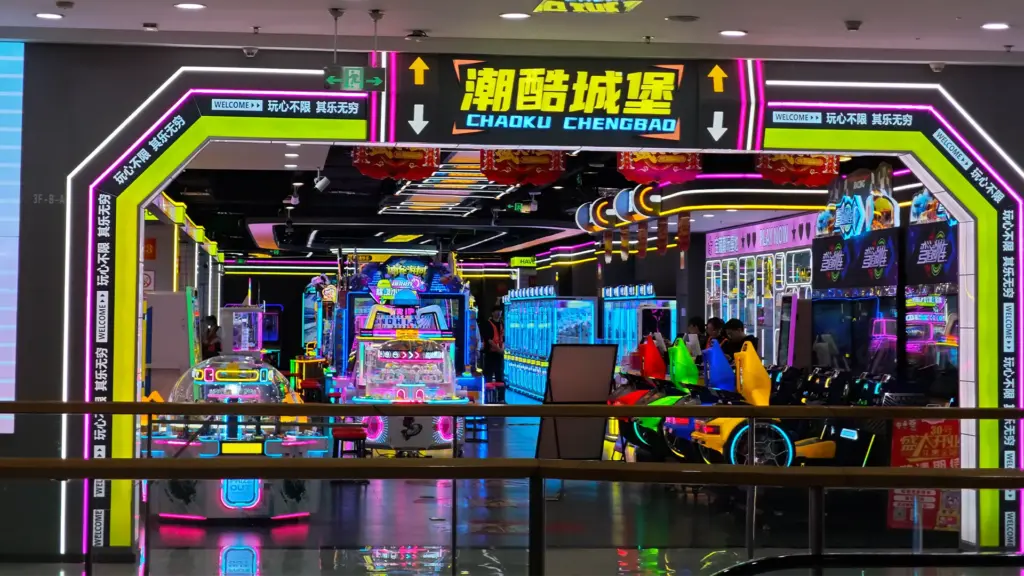
¿Están sus máquinas ubicadas en puntos ciegos de poco tráfico?, no cubrir su huella operativa diaria? Seleccionar ubicaciones rentables para equipos recreativos requiere un cálculo preciso del tráfico peatonal, infraestructura del sitio, y datos demográficos hiperlocales para proteger sus márgenes.
Colocación máquinas recreativas en áreas visibles donde los clientes pasan naturalmente el tiempo pueden soportar un mayor volumen de juego. Los operadores también deben dejar suficiente espacio para un movimiento seguro., servicio, y acceso a sistemas de pago y premios.
Métricas demográficas y del área comercial objetivo
Las áreas comerciales de alta densidad con poblaciones sustanciales dentro de un radio de 10 a 20 minutos en automóvil proporcionan la base para una, repetir visitas locales. Su combinación de juegos debe reflejar el perfil de edad específico del vecindario para capturar este tráfico..
- Suburbios objetivo: Colocar unidades de canje ideales para familias en zonas residenciales con alta densidad de hogares.
- Dirigirse a los centros urbanos: Coloque gabinetes competitivos y formatos de barras cerca de universidades y distritos de vida nocturna..
- Amortiguador de canibalización: Si opera más de un sitio, comparar áreas de captación de clientes, patrones de viaje, y rendimiento del lugar para reducir la superposición innecesaria entre ubicaciones.
Perfiles de lugares de alto rendimiento y controladores de adyacencia
Maximizar el tiempo de permanencia es la ruta más rápida para lograr cifras saludables de caída de monedas. Debe ubicar los juegos en lugares donde los consumidores ya gasten dinero discrecional y, naturalmente, permanezcan allí..
- Anclajes de adyacencia: Apuntar a salas de cine, patios de comidas del centro comercial, y boleras donde los tiempos de permanencia son naturalmente altos.
- Formatos Urbanos y Familiares: Considere los centros comerciales, lugares de entretenimiento familiar, centros comerciales, y otros lugares donde las máquinas de garras y máquinas de premios puedan complementar las actividades de ocio existentes.
- Conductores de tráfico de fin de semana: Espacio interior seguro dentro de centros comerciales activos, complejos deportivos, o centros recreativos para captar multitudes durante las fiestas.
Microcolocación, Mapeo de calor, y zonificación dentro del lugar
La ubicación del piso dicta el rendimiento. La zonificación de alto tráfico convierte las pisadas pasivas en juegos de impulso inmediato, Guiar a los clientes de forma orgánica a través de su entorno..
- Zonas de impulso: Estación de reproducción rápida, gabinetes de alto impulso directamente cerca de las entradas principales, envolturas de efectivo, y mostradores de comida.
- Anclajes de diseño profundo: Coloque mostradores de canje centrales y exhibidores de premios en lo profundo del lugar para atraer el tráfico peatonal hacia otras máquinas..
- Análisis espacial: Estudie los datos de transacciones sin efectivo y el seguimiento de rutas para localizar puntos fríos, luego reposicione sistemáticamente las unidades rezagadas para probar mejores diseños.
Optimización de la combinación de máquinas y puntos de referencia de ingresos
La rotación de activos no es negociable para la supervivencia a largo plazo. Los operadores deben aplicar umbrales estrictos de ingresos por máquina para mantener un rendimiento mínimo rentable.
- Mezcla de juego de redención: Determinar la combinación de máquinas de garras., juegos de redención, Y otros gabinetes según la demanda del cliente., espacio disponible, y objetivos del lugar. Ajuste la mezcla según el rendimiento real.
- Revisión de bajo rendimiento: Revisar las máquinas con un volumen de juego o ingresos consistentemente bajos y considerar cambios en su ubicación., precios, ajustes, o reemplazo.
- Puntos de referencia operativos: Seguimiento de ingresos, reproducir volumen, costos del premio, falta del tiempo, y mantenimiento por máquina y área del lugar para establecer puntos de referencia de rendimiento realistas.
- Replicación del rendimiento: Identificar tipos y ubicaciones de máquinas de buen rendimiento, luego use los resultados para guiar futuras decisiones de compra y diseño.
Maximice las ganancias del lugar con máquinas directas de fábrica
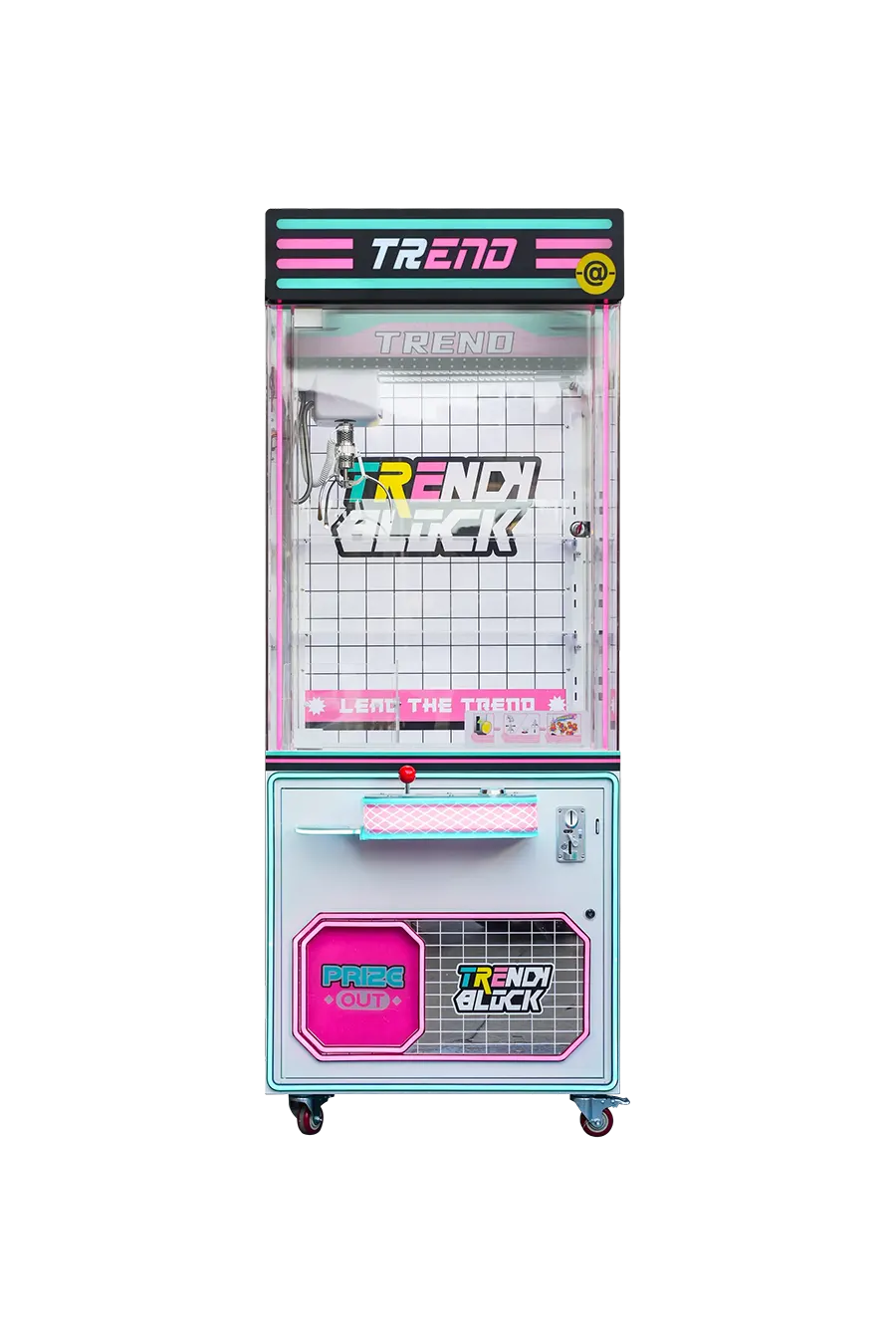
Planificación de costos de inversión y operación
Un presupuesto práctico para juegos arcade debe tener en cuenta el equipamiento, renovación, depósitos de alquiler, utilidades, dotación de personal, marketing, inventario de premios, mantenimiento, y capital de trabajo.
¿Cuánto capital necesitas para abrir una sala de juegos?, y ¿cómo puedes protegerlo durante los primeros meses?? Subestimar la renovación, equipo, alquilar, dotación de personal, inventario de premios, y las necesidades de capital de trabajo pueden ejercer una presión significativa sobre un nuevo lugar antes de que alcance ingresos estables..
| Escala de juegos | Rango de CAPEX inicial | Costo operativo mensual | Cronograma de recuperación objetivo |
|---|---|---|---|
| Pequeño / Ruta Arcade | $5,000–$50,000 | $2,000–$8.000 | 18–36 meses |
| Sala de juegos pequeña y mediana | $50,000–$250.000 | $8,000–$25,000 | 18–36 meses |
| FEC grande / Destino | $300,000–$500,000+ | $25,000–$60,000+ | 24–48 meses |
Consejo: Trate estas cifras como puntos de referencia de planificación en lugar de estándares industriales fijos., y dejar suficientes reservas de efectivo para cubrir un crecimiento de clientes más lento de lo esperado, reparaciones inesperadas, y otros gastos iniciales.
Requisitos de capital total y asignación de capital
Sus requisitos de capital iniciales dependen del tamaño del lugar, modelo de negocio, mezcla de equipos, términos de arrendamiento, alcance de la renovación, y costos operativos locales. Un plan de capital sólido debe cubrir tanto los costos de apertura del lugar como el capital de trabajo necesario durante el período operativo inicial..
- Capital inicial: Estimar los costos de inicio en función del equipo., gastos de arrendamiento y renovación, entrega, instalación, licencia, y otros requisitos específicos de la ubicación.
- Asignación de capital: Equilibrar el gasto entre la construcción, equipo, y capital de trabajo en lugar de depender de un índice de asignación fijo.
- Reservas de efectivo: Mantener suficiente capital de trabajo para cubrir los gastos operativos iniciales y los costos inesperados., con la reserva apropiada determinada por la estructura de costos del lugar y el período de aumento esperado.
Gasto de capital inicial y costos de lanzamiento
antes de abrir, Los operadores deben presupuestar los principales costos iniciales necesarios para asegurar y preparar el lugar., adquirir equipo de juego, y establecer operaciones básicas. Los requisitos reales varían según el tamaño del lugar., mezcla de equipos, términos de arrendamiento, y costos operativos locales.
- Depósitos Inmobiliarios & Construcción: Presupuesto aproximadamente $15,000 a $80,000 para depósitos de arrendamiento, actualizaciones eléctricas, piso, iluminación, señalización, y otras mejoras del sitio, Dependiendo de las condiciones y tamaño del lugar..
- Adquisición de equipos de juego: Las máquinas estándar de garra y rescate suelen costar alrededor de $1,500 a $8,000+ por unidad, mientras que el presupuesto total del equipo depende en gran medida del número y combinación de máquinas seleccionadas.
- Pago & Sistemas operativos: Si un lugar adopta un sistema moderno de pago sin efectivo, Es posible que los operadores necesiten presupuestar un presupuesto adicional. $5,000 a $15,000 para el hardware y la instalación del sistema.
- Capital de explotación & Inventario inicial: Reserve fondos para el inventario de premios inicial, piezas de repuesto, seguro, utilidades, nómina de sueldos, y otros gastos operativos iniciales. Una reserva de capital de trabajo de aproximadamente $15,000 a $40,000 puede proporcionar un amortiguador durante el período inicial de aceleración.
Nota: Estas cifras pretenden proporcionar un punto de partida práctico para la elaboración de presupuestos., mientras que los costos reales variarán según el lugar específico, mezcla de equipos, ubicación, y requisitos operativos.
Estructura de costos operativos continuos
Una vez que la sala de juegos esté abierta, Controlar los gastos recurrentes se vuelve tan importante como gestionar la inversión inicial.. Los operadores deben monitorear de cerca las siguientes categorías de costos:
- Costos operativos mensuales: Planifique varios miles de dólares en gastos recurrentes para un lugar pequeño, cubriendo el alquiler, utilidades, nómina de sueldos, seguro, mantenimiento, reposición de premios, y procesamiento de pagos. Los lugares más grandes pueden requerir presupuestos operativos mensuales sustancialmente más altos.
- Alquilar & Ocupación: Como punto de referencia práctico, mantener los costos mensuales de alquiler y ocupación dentro 10% a 15% de ingresos brutos proyectados donde las condiciones del mercado local lo permitan. Esto ayuda a evitar que los costos fijos excesivos ejerzan presión sobre el flujo de caja..
- Nómina de sueldos & Dotación de personal: La mano de obra puede convertirse en uno de los mayores gastos recurrentes en una sala de juegos con personal. A 20% a 35% proporción de los gastos operativos puede servir como un rango de planificación útil, con niveles de plantilla ajustados a los horarios de apertura y necesidades del servicio.
- Mantenimiento & Utilidades: Reservar un presupuesto específico para la electricidad, mantenimiento rutinario de la máquina, piezas de repuesto, limpieza, y procesamiento de pagos. Estos costos son fáciles de subestimar porque se acumulan a lo largo del año en lugar de aparecer como un gasto inicial único..
Nota: Las cifras anteriores pretenden ser puntos de referencia presupuestarios prácticos en lugar de estándares industriales fijos.. Los costos operativos reales y los índices de gastos recomendados pueden variar según las condiciones del mercado local., tamaño del lugar, requisitos de personal, y modelo de negocio.
Métricas financieras, Punto de equilibrio, y cronogramas de recuperación de la inversión
La rentabilidad real depende de comprender cuándo regresa su capital. Equilibrando sus estrategias de precios con un rendimiento de sesión agresivo, puedes acortar la duración de la recuperación.
- Período de recuperación: Calcule el período de recuperación dividiendo la inversión inicial por el flujo de caja mensual proyectado después de los gastos operativos..
- Pista de capital de trabajo: Cubrir de tres a seis meses de gastos para mitigar los riesgos de subcapitalización temprana..
- Objetivo de equilibrio: Alcance un hito de flujo de caja positivo en los primeros meses combinando el marketing de lanzamiento con altos volúmenes de sesiones de juego..
Gestión del mantenimiento de equipos y experiencia del cliente
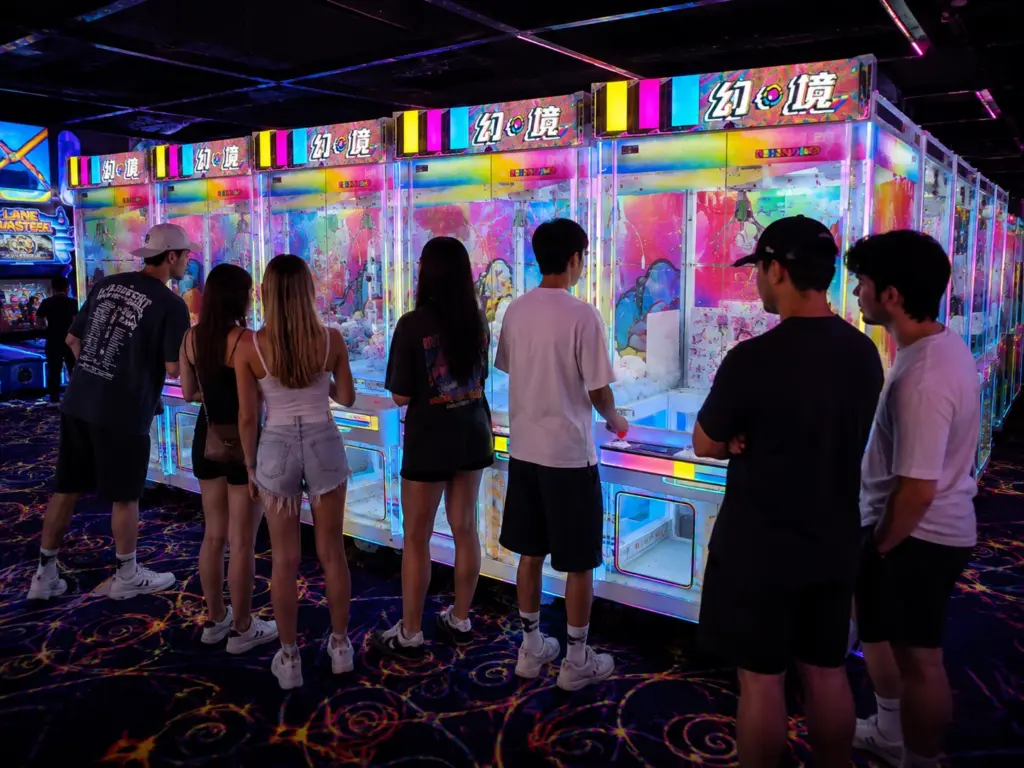
El mantenimiento preventivo constante impulsa directamente la rentabilidad de las salas recreativas al convertir el tiempo de actividad técnica en repetible., Experiencias de cliente de alta calidad que evitan la salida de los jugadores..
Conectando el tiempo de actividad de la máquina y la satisfacción de los huéspedes
Un control de reproductor defectuoso puede afectar tanto a la experiencia del cliente como a los ingresos de la máquina. Las inspecciones periódicas ayudan a los operadores a identificar botones desgastados, palancas de mando, controles de dirección, y otros componentes de alto uso antes de que causen interrupciones más prolongadas.
Si los jugadores encuentran botones muertos o volantes a la deriva, simplemente se marchan y gastan sus ingresos discrecionales en otra parte. Los estándares de higiene visibles también juegan un papel importante en la retención de jugadores., mientras los controladores grasientos y las pantallas sucias alejan a las familias al instante.
- Reducción de la frustración: Minimizando “fuera de servicio” señales para maximizar las oportunidades de juego y proteger los ingresos basados en sesiones.
- Higiene visible: Limpiar superficies de alto contacto, controles, rampas de premio, y otras áreas frecuentemente manipuladas de acuerdo con los procedimientos de limpieza del lugar.
- Calibración de juego limpio: Garantizar una calibración precisa de los controles, sensores, y sistemas de puntuación para garantizar la equidad en el juego.
Implementación de un programa de mantenimiento preventivo escalonado
Gestionar un lugar rentable requiere pasar de reparaciones reactivas a una programación estructurada. Un marco escalonado garantiza que sus técnicos se concentren en los elementos críticos de desgaste antes de que desencadenen una falla catastrófica del sistema..
- Protocolo diario: Ejecutar controles visuales de seguridad., limpiar gabinetes externos, y realice pruebas rápidas con los principales generadores de ingresos antes de abrir.
- Protocolo Semanal: Probar la capacidad de respuesta del botón, evaluar la claridad del audio, inspeccionar la iluminación LED, y verificar las rutas de los dispensadores de boletos.
- Protocolo mensual: Abra los gabinetes para aspirar el polvo interno., comprobar los voltajes de la fuente de alimentación, y ejecutar calibraciones de diagnóstico de software.
- Protocolo trimestral: Ejecutar lubricación mecánica profunda., inspeccionar la conexión a tierra de seguridad eléctrica, y reemplazar proactivamente piezas de desgaste comunes como microinterruptores.
Flujos de trabajo diarios de mantenimiento operativo
Su personal de piso debe seguir una lista de verificación repetible todos los días para detectar fallas antes que sus invitados.. Este ciclo operativo se extiende desde el momento en que se abren las puertas hasta que se concilia la última moneda..
- Procedimientos de apertura: Validar la secuencia de encendido., Confirme que cada máquina arranca de forma segura en modo de atracción., y comprobar si hay errores ocultos del sistema.
- Monitoreo activo: Observar el rendimiento y la limpieza del juego durante las horas de funcionamiento., solucionar atascos físicos o el software se bloquea inmediatamente.
- Tareas de cierre: Conciliar los registros de pago utilizados por el lugar., reabastecer boletos o suministros de premios cuando corresponda, y comprobar que los accesorios de juego extraíbles y las zonas de premios estén limpios y en buen estado.
Mantenimiento técnico básico y requisitos de juegos especializados
Los distintos armarios de juego imponen a su personal exigencias técnicas muy variadas. Los gabinetes de video estándar son relativamente simples, pero las unidades de canje mecánicas y los simuladores de movimiento de alta complejidad requieren una profunda intervención técnica.
- Interfaces de jugador: Verificar y limpiar los controles primarios, microinterruptores, volantes con retroalimentación de fuerza, miras ópticas para armas, y pantallas táctiles capacitivas.
- Hardware de pago: Inspeccionar mecanismos de monedas., aceptadores de billetes, lectores de tarjetas, y otros sistemas de pago en intervalos adecuados al uso y a las instrucciones del fabricante.
- Atracciones especializadas: Siga los requisitos de servicio para máquinas de garras, máquina de premioss, equipo estilo vending, y otros productos de entretenimiento especializados en el lugar.
Estandarización de la formación, Documentación, e inventario de repuestos
Los técnicos no pueden confiar en la intuición para mantener cincuenta máquinas únicas funcionando sin problemas. Estandarizar sus protocolos operativos transforma a su equipo técnico en un eficiente, unidad de gestión de activos predecible.
- Funciones del personal: Asignar controles sencillos de limpieza y apertura al personal de planta., cambios de microinterruptores de rutina a técnicos jóvenes, y depuración eléctrica profunda para ingenieros superiores.
- Protocolo de documentación: Utilice listas de verificación rígidas y mantenga un registro de máquina exclusivo para cada gabinete., registrando su historial de reparaciones, códigos de error, y piezas reemplazadas.
- Inventario de piezas: Asegure un suministro de respaldo de piezas de desgaste críticas, incluyendo fusibles, microinterruptores comunes, botones de repuesto, y accesorios físicos para juegos para reducir el tiempo de inactividad.
Elegir socios confiables para equipos de arcade
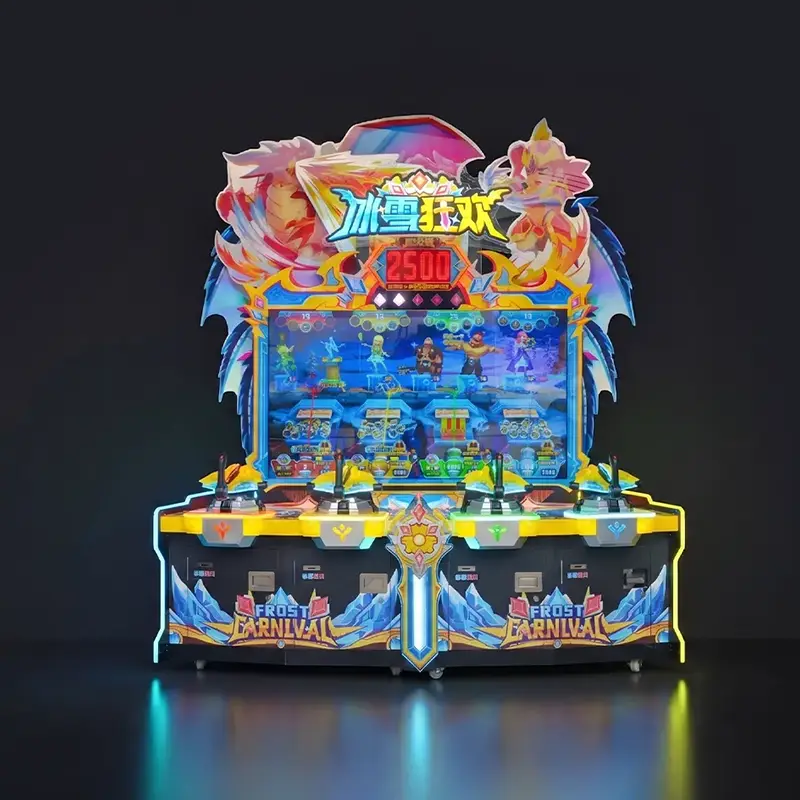
La elección de socios confiables para equipos de arcade determina directamente el tiempo de actividad de su lugar., proteger las inversiones de capital iniciales y asegurar ingresos diarios constantes por la caída de monedas.
Al lanzar un nuevo lugar, eligiendo confiable fabricante de equipos arcade determina si usted opera un centro de entretenimiento de alto rendimiento o administra un costoso cementerio de letreros fuera de servicio. Los inspectores eléctricos y los propietarios comerciales no comprometen los estándares de seguridad., hacer de la legitimidad de la fabricación su principal obstáculo.
Certificaciones obligatorias de cumplimiento y seguridad
La electrónica no certificada expone su empresa a graves responsabilidades, embargos aduaneros, y reclamaciones de seguro negadas. Los socios de fabricación legítimos proporcionan credenciales de seguridad verificables asignadas a sus leyes regionales específicas..
- Certificaciones específicas del mercado: Verificar UL 22 Estándares para implementaciones en América del Norte., Marcado CE (cubriendo tanto EMC como LVD) para Europa, RoHS para componentes electrónicos, y cumplimiento de la FCC para interfaces inalámbricas.
- ISO 9001 Cartas credenciales: Asegurar que la fábrica mantenga un activo, ISO auditada 9001 Sistema de gestión de calidad para garantizar controles sistemáticos en la línea de producción..
- Verificación cruzada de bases de datos independientes: Solicite informes de pruebas específicos del producto, declaraciones, y detalles del certificado del proveedor.
Los documentos de cumplimiento por sí solos no reemplazan las aprobaciones locales, requisitos de instalación, o permisos de funcionamiento. Antes de firmar un acuerdo de compra, Confirmar los documentos y responsabilidades necesarios para la importación., instalación, seguro, y operación local.
Control de fábrica, Seguro de calidad, y durabilidad del material
Las empresas comerciales suelen desaparecer cuando surgen problemas técnicos. Para proteger su inversión, Debes establecer canales de comunicación directos con los constructores reales de tus máquinas..
- Propiedad directa de fábrica: Asóciese directamente con propietarios de fábricas en lugar de intermediarios comerciales para garantizar una responsabilidad de producción clara y soporte de ingeniería directo..
- AQL y envejecimiento previo al envío: Confirmar que el constructor utiliza AQL estadístico (Límite de calidad aceptable) estándares y somete cada gabinete terminado a al menos 72 horas de pruebas continuas de envejecimiento previas al envío.
- Durabilidad del gabinete y los componentes: Evalúe las láminas de construcción estructural para verificar las especificaciones densas de MDF, marcos de acero robustos, mazos de cables organizados, y clasificaciones de servicio continuo en fuentes de alimentación internas.
El uso público intensivo expone rápidamente los atajos. Los marcos metálicos gruesos y las fuentes de alimentación de alta resistencia mantienen tus juegos funcionando sin problemas durante los fines de semana con mucho tráfico..
Verificación, Auditorías, y creación práctica de prototipos
Nunca compre contenedores llenos de equipos basándose únicamente en representaciones de catálogos digitales. Las promesas virtuales deben coincidir con las realidades del piso de montaje físico.
- Auditorías de instalaciones de montaje: Ejecute inspecciones in situ o auditorías virtuales en vivo centrándose directamente en la organización del montaje., control de inventario de piezas, y zonas de prueba dedicadas.
- Pruebas continuas de prototipos: Pruebe en campo un solo gabinete de muestra para 72 Horas continuas para observar la precisión de la aceptación de monedas., confiabilidad en la dispensación de boletos, temperaturas de los componentes, y estabilidad del software.
- Consultoría de operadores pares: Hable directamente con los operadores de salas de juegos existentes para recopilar datos del mundo real sobre el tiempo de actividad de la máquina., durabilidad estructural, y frecuencia de mantenimiento.
La creación práctica de prototipos detecta fallos en la placa base, comparadores de monedas baratos, y uniones de soldadura débiles antes de que esos defectos afecten las opiniones de sus clientes.
Acuerdos de nivel de servicio y soporte posventa
Una máquina averiada no genera ingresos. Cuando el desgaste mecánico ocurre inevitablemente, La velocidad de soporte de su socio determina el impacto financiero total del tiempo de inactividad..
- Cobertura de garantía: Obtenga una garantía mínima de reemplazo de piezas de 12 meses con definiciones explícitas de productos electrónicos cubiertos, motores, y montajes de exhibición.
- SLA de soporte escrito: Establezca acuerdos formales que garanticen una ventana de respuesta de soporte técnico de máximo 2 horas junto con acceso inmediato a diagramas de cableado y manuales de servicio..
- Desempeño Logístico: Evaluar los registros de envío del proveedor., apuntando a un 97% o mayor tasa de entrega de repuestos a tiempo y altas tasas de reorden de clientes.
un ayuno, El ecosistema de piezas predecibles evita que un simple fallo de un componente mantenga oscuro un juego clave que genera ingresos durante semanas..
Pensamientos finales
Construir un lugar de entretenimiento rentable requiere algo más que capital; exige una distribución del suelo disciplinada y certificada., equipo de grado industrial. Elegir máquinas no certificadas o endebles para ahorrar en costos iniciales conduce inevitablemente a ciclos de mantenimiento complicados y a la pérdida de confianza de los jugadores.. Alinear su plano de planta con gabinetes resistentes y modelos de monetización probados es la única manera de proteger sus márgenes y asegurar un cronograma de recuperación predecible..
Recomendamos una revisión estratégica para adaptar este plan operativo y combinación de equipos a su ubicación objetivo.. Puede trabajar directamente con nuestro equipo para revisar los planos de planta., verificar el cumplimiento de seguridad local, y seleccione máquinas de garras certificadas que se adapten a su audiencia. Comuníquese con nuestros consultores para analizar la hoja de ruta del hardware de su lugar y asegurar su planificación de diseño..
Preguntas frecuentes
¿Cómo inicio un negocio de arcade??
Comience por definir el concepto de su lugar, como la ubicación de un centro comercial, centro de entretenimiento familiar, o operación de ruta. Luego investigue las regulaciones locales, términos de arrendamiento, y clientes objetivo. Trabaje con un fabricante confiable para seleccionar el equipo arcade adecuado, mientras planifica el diseño del lugar, requisitos de instalación, configuración de pago, y suministro de premios según las necesidades de su negocio.
¿Cuánto cuesta iniciar una sala de juegos??
Los costos varían ampliamente según el tamaño del lugar., ubicación, y mezcla a máquina. Las operaciones de rutas pequeñas pueden comenzar con unas pocas máquinas y costos modestos de preparación del sitio., mientras que los lugares más grandes requieren presupuestos para equipos, renovación, depósitos, dotación de personal, y capital de trabajo. Utilice los requisitos específicos de su lugar para crear un presupuesto inicial realista en lugar de depender de una única cifra genérica..
¿Son rentables los negocios de máquinas de garras??
Los negocios de máquinas de garras pueden ser rentables cuando se ubican en lugares de mucho tráfico con costos de premios adecuados, configuraciones de pago apropiadas, y mantenimiento regular. La rentabilidad depende del tráfico peatonal, tiempo de actividad de la máquina, estrategia de premio, precios, y gastos operativos continuos.
¿Cuántas máquinas debería comprar para una sala de juegos??
El número de máquinas depende del espacio disponible., presupuesto, clientes objetivo, y concepto de lugar. Comience con una combinación específica de máquinas que se ajuste a su espacio y presupuesto, luego ampliar en función de los datos de rendimiento reales y la demanda de los clientes.
¿Qué máquinas recreativas generan más dinero??
Las máquinas de alto rendimiento suelen coincidir con las preferencias de los clientes locales, tener una fuerte visibilidad, y están bien mantenidos. Las máquinas de garras y las máquinas de premios populares pueden funcionar bien cuando se colocan en ubicaciones adecuadas y se respaldan con una estrategia adecuada de precios y premios..
¿Dónde está la mejor ubicación para las máquinas de garras??
Las buenas ubicaciones incluyen centros comerciales., lugares de entretenimiento familiar, centros comerciales, cines, y otros lugares donde la gente pasa el tiempo naturalmente. Elija lugares visibles con suficiente espacio libre para los jugadores y acceso conveniente para el pago y la recuperación de premios..
¿Qué premios debo usar??
Seleccione premios que atraigan a sus clientes objetivo, se ajusta a tu presupuesto, y son fáciles de almacenar y administrar. Las opciones populares incluyen juguetes pequeños., artículos de peluche, artilugios, y coleccionables temáticos. Realice un seguimiento de los costos de los premios y ajuste su selección según los datos de juego y la demanda de los clientes..
¿Cuánto mantenimiento necesitan las máquinas arcade??
Las máquinas recreativas necesitan una limpieza regular, inspecciones básicas, y mantenimiento técnico periódico. Establezca un cronograma simple para los controles diarios., limpieza regular, y mantenimiento programado, y tenga repuestos comunes a mano para reducir el tiempo de inactividad.
¿Cómo elijo proveedores de equipos arcade??
Evaluar proveedores en función de la calidad del producto., documentación, cobertura de garantía, disponibilidad de repuestos, apoyo técnico, y experiencia en su mercado objetivo. Solicite documentos de cumplimiento específicos del producto y, si es posible, hablar con los operadores existentes antes de tomar una decisión de compra.
¿Sigue siendo rentable un negocio de arcade??
Los negocios de arcade aún pueden ser rentables cuando el concepto, ubicación, mezcla de máquina, precios, y las operaciones están bien planificadas. El éxito depende de comprender la demanda local, controlar los costos operativos, mantenimiento del equipo, y proporcionar una experiencia positiva al cliente.