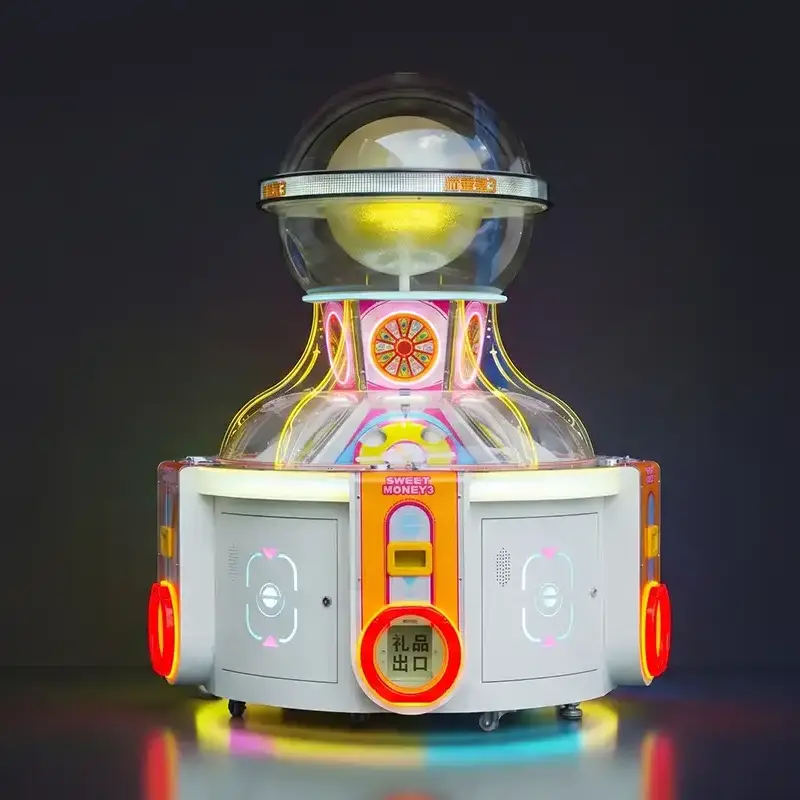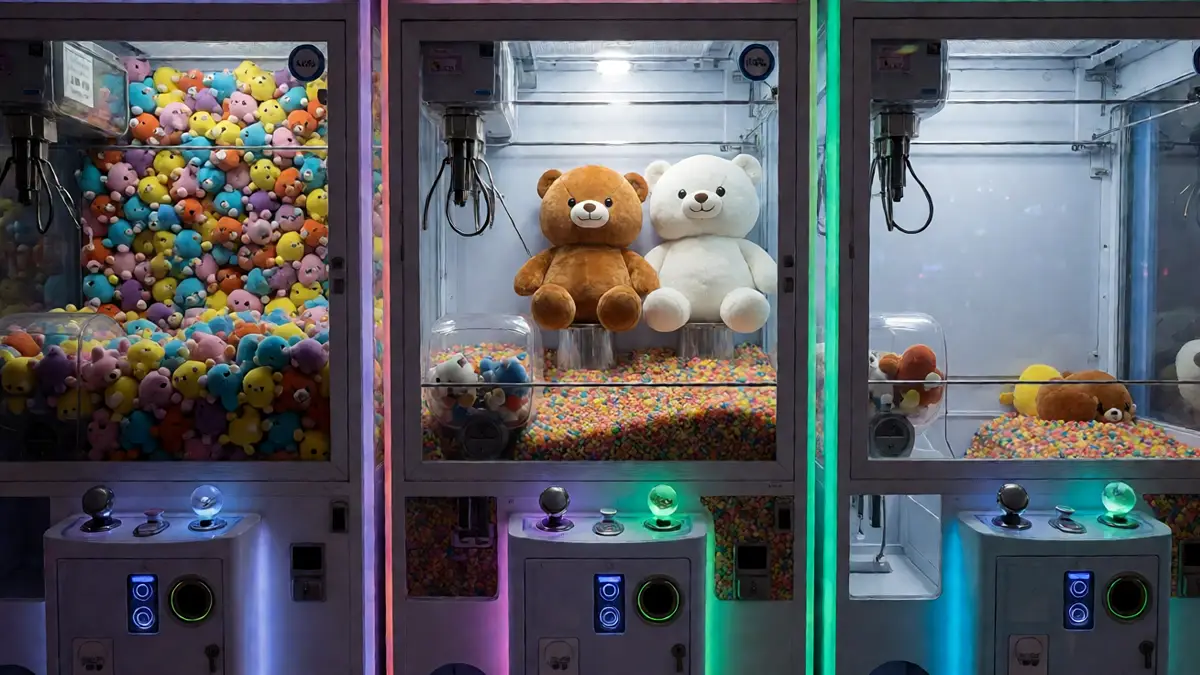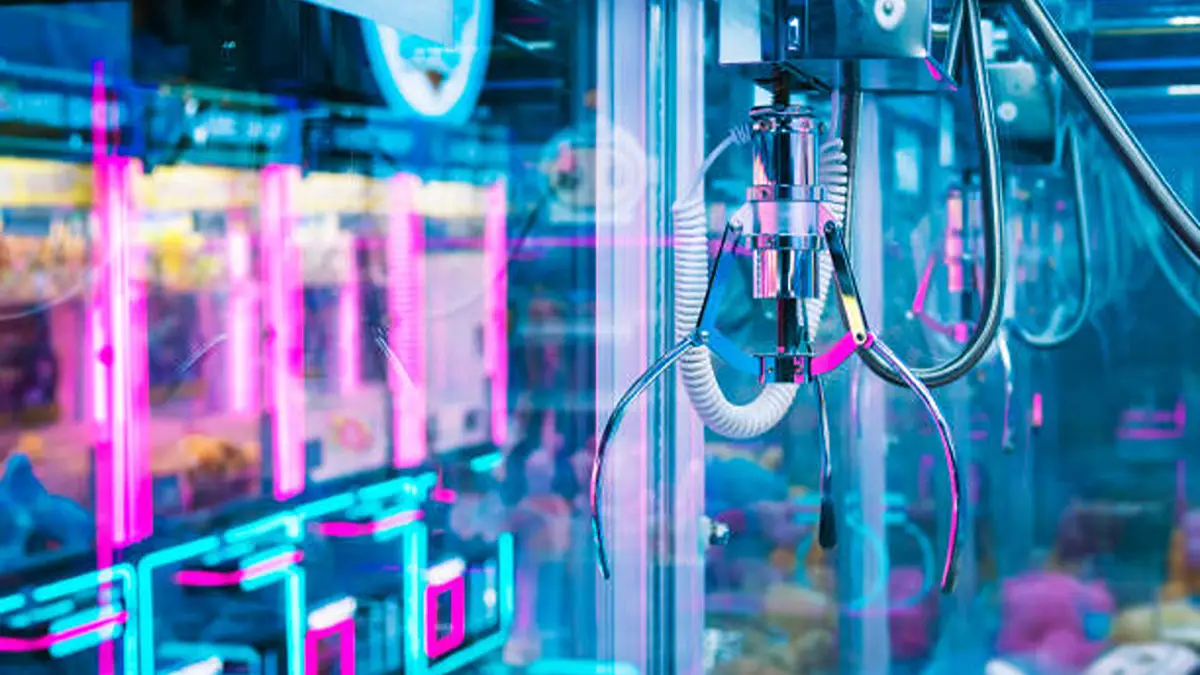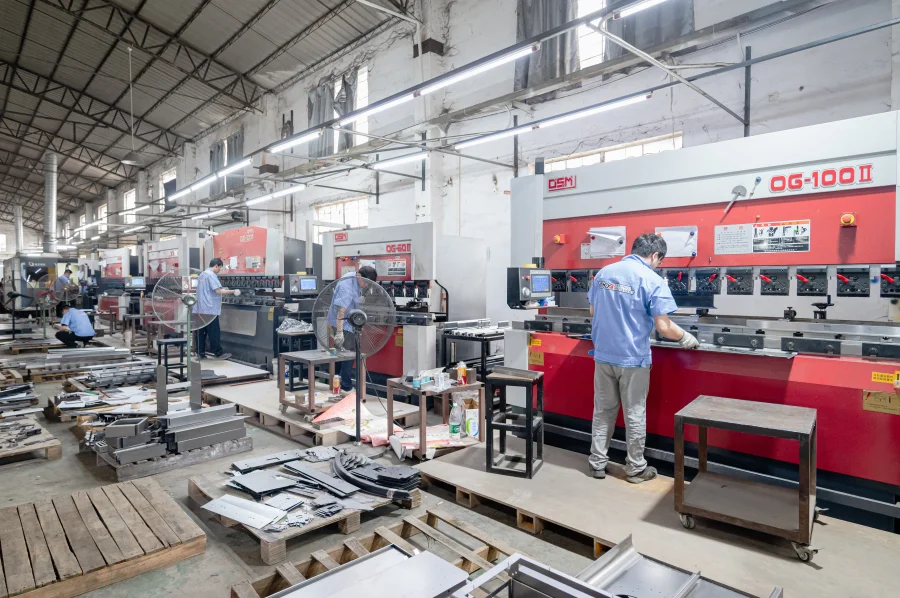
China is a major fabricante de máquinas de garras, offering US arcade operators and distributors a wide range of models at competitive prices. Importing from China also gives buyers access to different designs and customization options for their venues and businesses.
The process involves supplier selection, product specifications, US import requirements, shipping costs, and customs clearance. Understanding these factors helps businesses estimate the total import cost and plan delivery more accurately.
The table below summarizes the six main steps for importing claw machines from China to the USA, including the key deliverable and the party responsible for each stage.
| Paso | What It Produces | Who Leads It |
|---|---|---|
| Select machines | Model list with datasheets | Buyer |
| Evaluate factories | Shortlist with samples or videos | Buyer |
| Confirm compliance | Document set for customs and service | Buyer with factory |
| Order | Signed purchase order | Buyer and factory |
| Inspect and ship | Inspection report, bill of lading | Factory with forwarder |
| Clear and deliver | Cleared machines on the venue floor | Broker with buyer |
Paso 1: Identify the Right Claw Machines for the US Market
Import projects start with the machines, not with the freight forwarder.
Match Machine Types to Your Business Model
Start from how the machines will earn. An arcade floor wants standard cabinets with proven prize play, a family entertainment center may add giant displays, and a distributor needs a catalog across sizes rather than a single model. Matching the machine family to the business model first keeps every later decision, from container planning to spare parts, pointed at the same goal.
Confirm Machine Dimensions and Technical Specifications
Collect the datasheet for each candidate model before requesting quotations. Check the following details:
- Cabinet dimensions and weight: Confirm that the machine fits the venue and planned shipping arrangements.
- Power requirements: Verify input voltage and power consumption.
- Screen and lighting: Confirm the display and lighting configuration.
- Packaged dimensions: Use the packed size and weight when comparing freight quotes.
Check Payment System Compatibility
US venues run specific payment habits, and the cabinet has to match them. Confirm whether the machines take quarters, validadores de billetes, lectores de tarjetas, or a mix, and have the factory fit the payment hardware before shipment. Retrofitting payment systems after arrival costs more and delays the opening.
Determine Customization Requirements
Decide early how much of the cabinet must carry your brand. Panel artwork, bandera, game modes, and prize setups are easiest when they are ordered with the machine, and they change the quotation and the lead time in visible ways. To see how far those changes can reach, read our guide on Cómo las máquinas de garras personalizadas crean experiencias arcade únicas.
Paso 2: Find and Evaluate Chinese Claw Machine Manufacturers
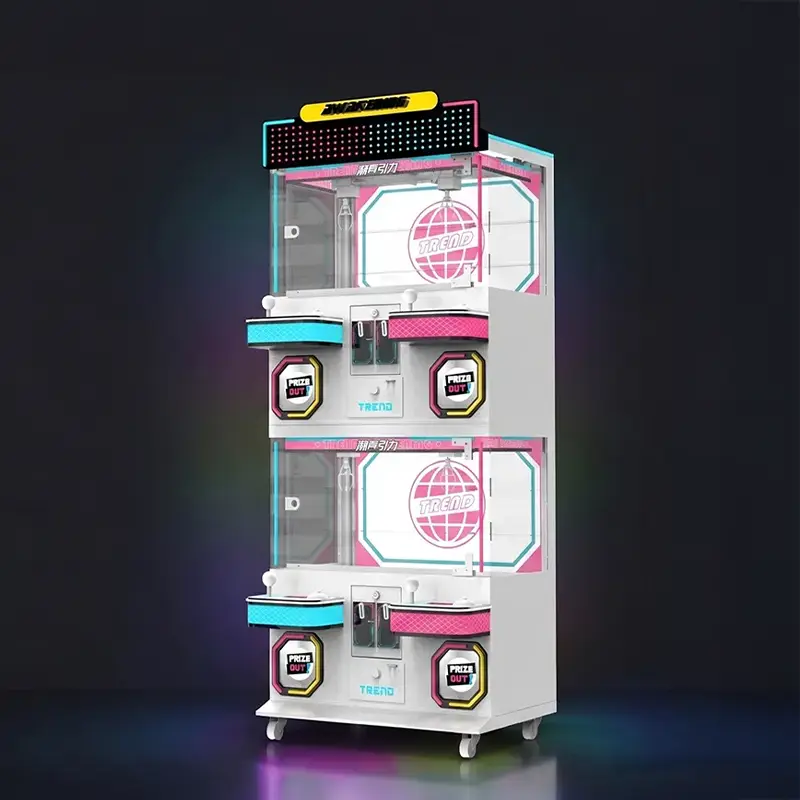
The factory choice decides everything the shipment will carry to the venue.
Verify Factory Background and Production Capabilities
Verify the supplier’s manufacturing capabilities before placing an order. Buyers can request:
- Business documents: Check the company’s registered business information.
- Factory photos or videos: Review the workshop and production equipment.
- Live factory walkthrough: Ask to see relevant production and assembly areas.
- Export experience: Request examples of previous export projects, especially those involving the US market.
Review Product Models and Previous Projects
Ask for the model catalog and recent export projects. A factory that ships regularly to the US market knows the voltage, pago, and documentation expectations before being told. Previous project photos also show whether the factory’s output matches the quality standard the order needs.
Compare OEM and ODM Services
OEM work builds the buyer’s brand on an existing platform, while ODM work develops a design with the factory. The difference changes cost, lead time, and how much engineering support the buyer must bring. Buyers running their own brands should settle this question before requesting quotations, because the two paths price differently.
Request Product Samples or Video Demonstrations
If practical, test a sample machine before placing a bulk order. If a sample is not feasible, request a live video demonstration of claw cycles, funciones de pago, and internal components. Buyers can also arrange a third-party inspection when needed.
A supplier that manages these requests well is more likely to manage production efficiently. For the wider trust check behind that judgment, see our article on Cómo elegir un fabricante confiable de equipos arcade.
Paso 3: Confirm Product Specifications and Import Requirements
Compliance is cheaper to confirm on a datasheet than to fix in a warehouse.
Review Electrical Specifications and Voltage Compatibility
US venues commonly use 120V power, so buyers should confirm that the machines support the required input voltage and plug type.
Confirm the input voltage, power draw per machine, and plug type on the datasheet, and let the factory fit the correct power supply for the destination. Mixed-voltage mistakes surface at installation, where they cost the most to correct.
Check Applicable US Product Safety Requirements
Commercial arcade equipment should meet the safety expectations of the destination market, and the buyer carries that responsibility at the venue. Ask which certifications the machines hold and which standards the build follows, and keep the documents with the order file. The customs authority that publishes the US import requirements is also the reference point for what the shipment itself must declare.
Confirm FCC Requirements for Electronic Components, Where Applicable
Electronic devices sold in the US fall under FCC rules on electromagnetic interference, and digital boards inside the cabinet are part of that picture.
Ask the factory how the machines’ electronics are positioned on FCC compliance and request the relevant declarations for the order file. The topic applies to the electronic components where applicable, and the answer belongs in writing before shipment.
Prepare Product Documents and Technical Information
Prepare the technical documents before confirming shipment arrangements. The order file should include, según corresponda:
- Product datasheets: Specifications, dimensiones, and electrical requirements.
- User and service manuals: Operating and maintenance instructions.
- Wiring diagrams: Information for installation and troubleshooting.
- Compliance documents: Declarations and supporting records relevant to the destination market.
Keep these documents available for installation, mantenimiento, and import procedures.
Start Your US Import From Factory-Direct Supply
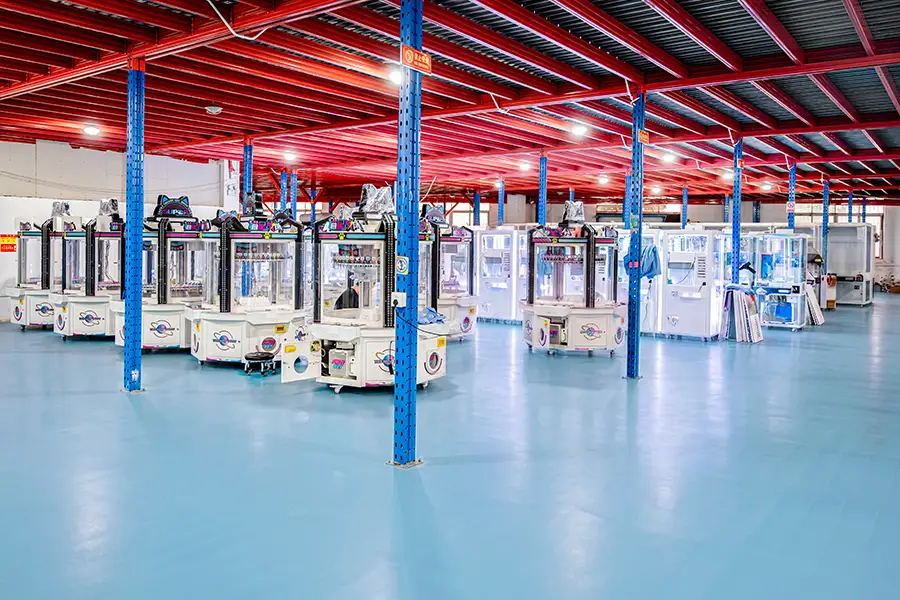
Paso 4: Request Quotations and Confirm the Purchase Order
A clean order is a quotation that names every line the buyer will pay.
Compare Machine Prices and Customization Fees
Send the same specification list to each shortlisted factory so the quotations compare on equal terms. Look at how each supplier prices customization, hardware de pago, and packaging, because those lines move totals more than the base cabinet does.
The cheapest machine price is rarely the cheapest order. To judge the suppliers behind the numbers, read our guide on Fabricante de máquinas de garras frente a empresa comercial: ¿Cuál deberías elegir??.
Confirm MOQ and Production Lead Time
Confirm the minimum order quantity for each model and the production time the factory commits to. Lead time should be stated in working days from deposit to completion, with a clear view of what happens during peak season. Both numbers belong in the purchase order, not in a chat message.
Review Payment Terms and Order Details
Standard export orders run on a deposit balance, with the balance due before shipment or against documents. Whatever terms the two sides agree, the purchase order should carry the machine list, unit prices, customization scope, packaging standard, and delivery terms. Order clarity is the cheapest dispute prevention available.
Confirm Warranty and After-Sales Support
Put the warranty terms in writing: duration, which parts it covers, and how remote support is delivered across time zones. Ask what spare parts ship with the order and how replacements are supplied later. Support quality is part of the machine’s real price, and it deserves the same scrutiny as the quotation.
Paso 5: Arrange Quality Checks and International Shipping
Everything the container carries should be verified before the doors close.
Conduct Pre-Shipment Inspections
Inspect the finished machines before they are packed. Buyers who import claw machines from China usually schedule the inspection for the window between production sign-off and packing.
A factory self-check with photo or video evidence, a third-party inspection, or the buyer’s own visit all work, and the choice depends on order size. The inspection confirms count, specification, rendimiento de la garra, and payment function while corrections are still cheap.
Confirm Packaging and Cargo Protection
Packaging is the machine’s only defense for the next several weeks. Confirm foam density, carton or crate grade, and pallet fixation for each model, and make sure the packaging standard is the one the purchase order named. Well-packed cabinets survive shared containers and terminal handling without arriving as claims.
Choose Sea Freight or Air Freight
Sea freight is the default for arcade equipment, because cabinets are heavy and volumes are large. Sea freight from China to the USA typically runs several weeks port to port, and air freight trades higher cost for a much shorter transit. Project timelines, not preference, make that choice, and the freight quote should state the transit assumption in writing.
Prepare Commercial Invoice and Packing List
Two documents anchor the customs process: the commercial invoice and the packing list. The invoice states values and the trading terms, and the packing list maps every carton and pallet to its contents.
The cost to import goods from China combines the factory invoice, transporte, seguro, deberes, and destination charges, quoted per shipment. Both documents should match what the container actually holds, because customs works from the paper, not from the plan.
Paso 6: Handle US Customs Clearance and Final Delivery
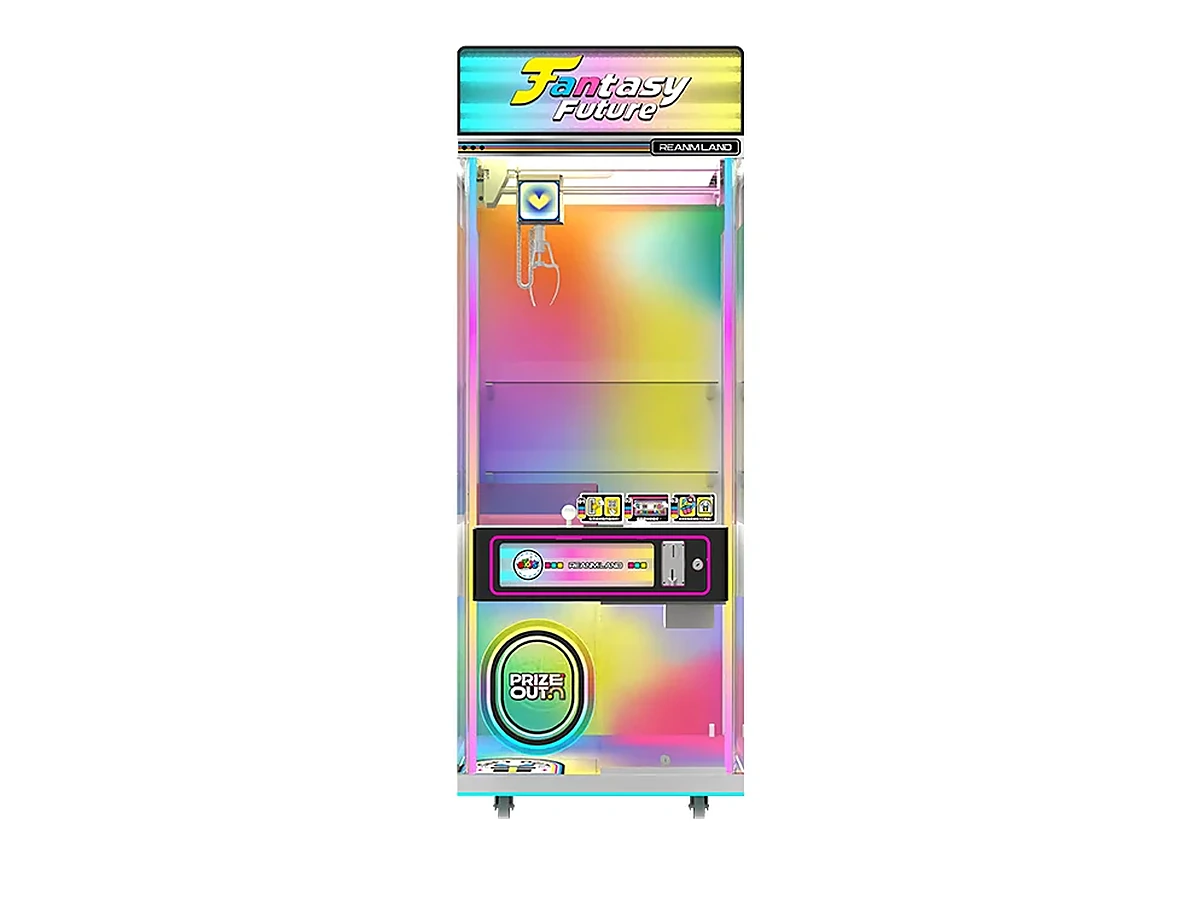
Clearance is paperwork done on time, and delivery is a plan confirmed in advance.
Work With a Customs Broker
A licensed customs broker files the entry and speaks to customs on the buyer’s behalf. First-time importers benefit most, because the broker turns the invoice, packing list, and classification into a clean entry. The broker also flags issues while the shipment is still in motion, when they cost nothing to fix.
Confirm HS Classification and Applicable Import Duties
Every product enters under a classification code, and arcade machines have theirs. Import duty from China is calculated on the customs value using the HS classification’s duty rate, with destination taxes added on top. Confirm the classification with the broker before shipment so the landed-cost model rests on the right rate.
Prepare Required Customs Documentation
Customs works from the documents prepared in Step 5, plus the entry documents the broker files. Duties are assessed at customs clearance, after the shipment arrives and before the goods are released for delivery.
The importer of record is responsible for applicable import duties and tariffs. A customs broker can handle entry procedures on the importer’s behalf, but the parties should confirm their responsibilities before shipment. They should also clarify any required documents and approvals in advance to help avoid customs clearance delays and keep the release schedule on track.
Arrange Delivery to the Warehouse or Arcade Location
The last leg is domestic trucking from the port to the venue, and it needs a plan: unloading equipment, floor space, and doorway measurements at the destination.
Schedule delivery against the venue’s readiness so machines move from container to floor without storage fees. A first-power test at installation closes the project the way Step 1 opened it, against the specification.
Frequently Asked Questions About Importing Claw Machines from China
How much does it cost to import claw machines from China to the USA?
The total cost includes the machine price, personalización, embalaje, transporte, seguro, import duties, and destination charges. The final amount depends on the order size, machine specifications, shipping method, and applicable tariff classification. Buyers should request an itemized quotation and estimate the full landed cost before placing an order.
How long does it take to import claw machines from China?
The timeline depends on production lead time, personalización, envío, and US customs clearance. Sea freight generally takes several weeks port to port, while production and final delivery add time to the overall schedule. Buyers should confirm the factory’s production estimate and the forwarder’s transit estimate before setting an opening date.
What requirements should buyers check before importing claw machines into the USA?
Buyers should confirm the machines’ electrical specifications, hardware de pago, and any applicable product safety or FCC requirements. They should also check the documents needed for customs entry and verify the tariff classification with a qualified customs broker. Requirements depend on the equipment configuration and applicable US regulations.
How can buyers verify a claw machine manufacturer in China?
Buyers can review business documents, request factory photos or a live video walkthrough, and ask about previous export projects. Sample testing or a third-party inspection can provide further evidence of product quality. Specifications, production timelines, términos de garantía, and customization details should also be confirmed in writing.
Can buyers order customized claw machines in bulk?
Many manufacturers offer bulk orders with options such as custom artwork, cabinet colors, sistemas de pago, and selected game features. Available options, minimum order quantities, and production times vary by model and customization scope. Buyers should approve the specifications and artwork before production begins.
Do buyers need a customs broker to import claw machines into the USA?
A customs broker can help prepare and submit import entries, review product classification, and identify required documentation. Using a broker does not remove the importer’s legal responsibilities, so buyers should confirm who will act as the importer of record and who will pay applicable duties and fees. First-time importers may benefit from arranging broker support before the goods ship.
Conclusión
Importing claw machines from China to the US requires careful planning. The six steps cover machine selection, manufacturer verification, compliance, ordering, inspection, and customs clearance.
Following these steps helps control costs and keep delivery on schedule. Contact TKY Amusement for a factory quotation based on your machine requirements.