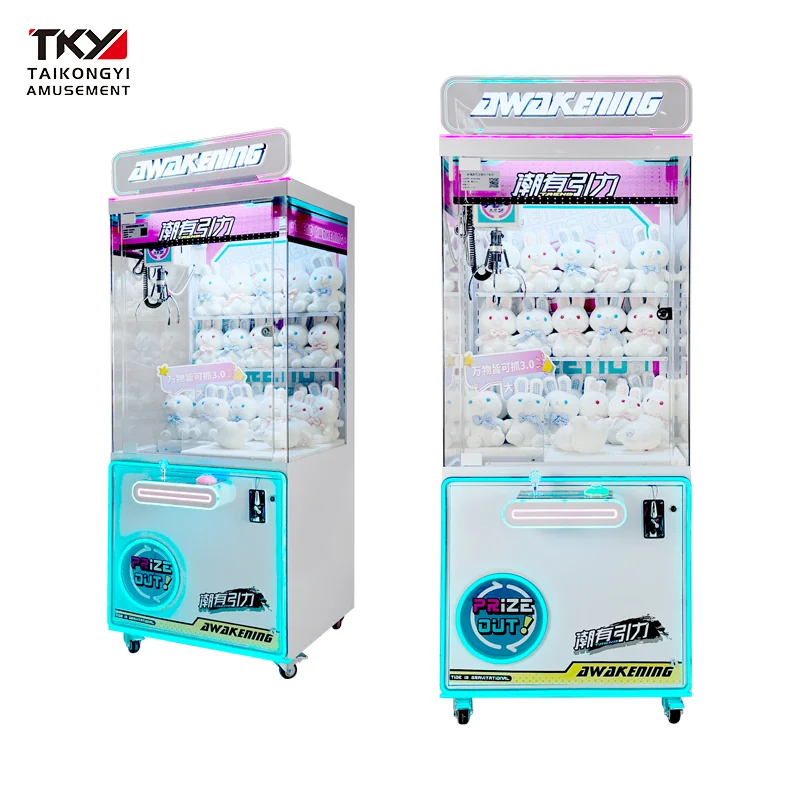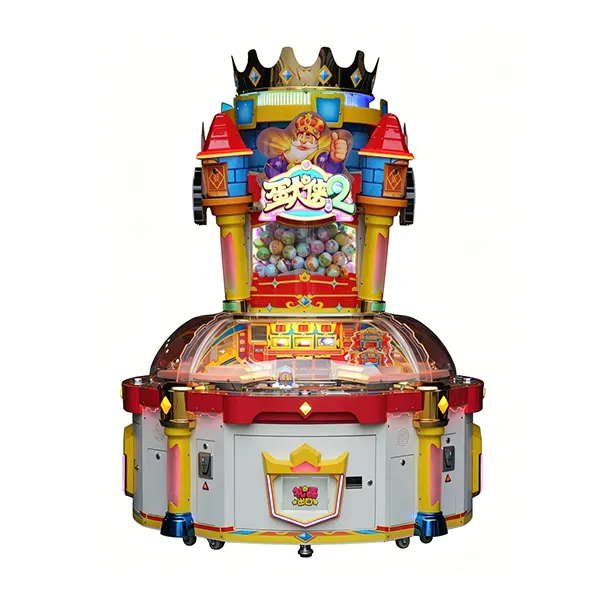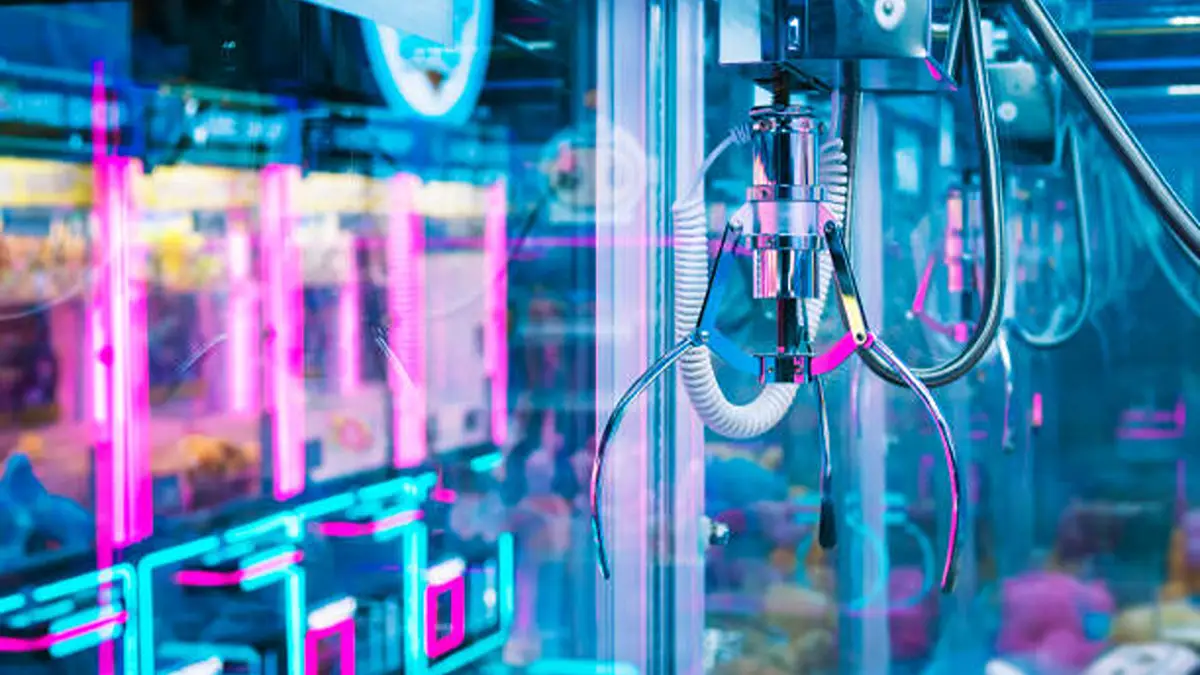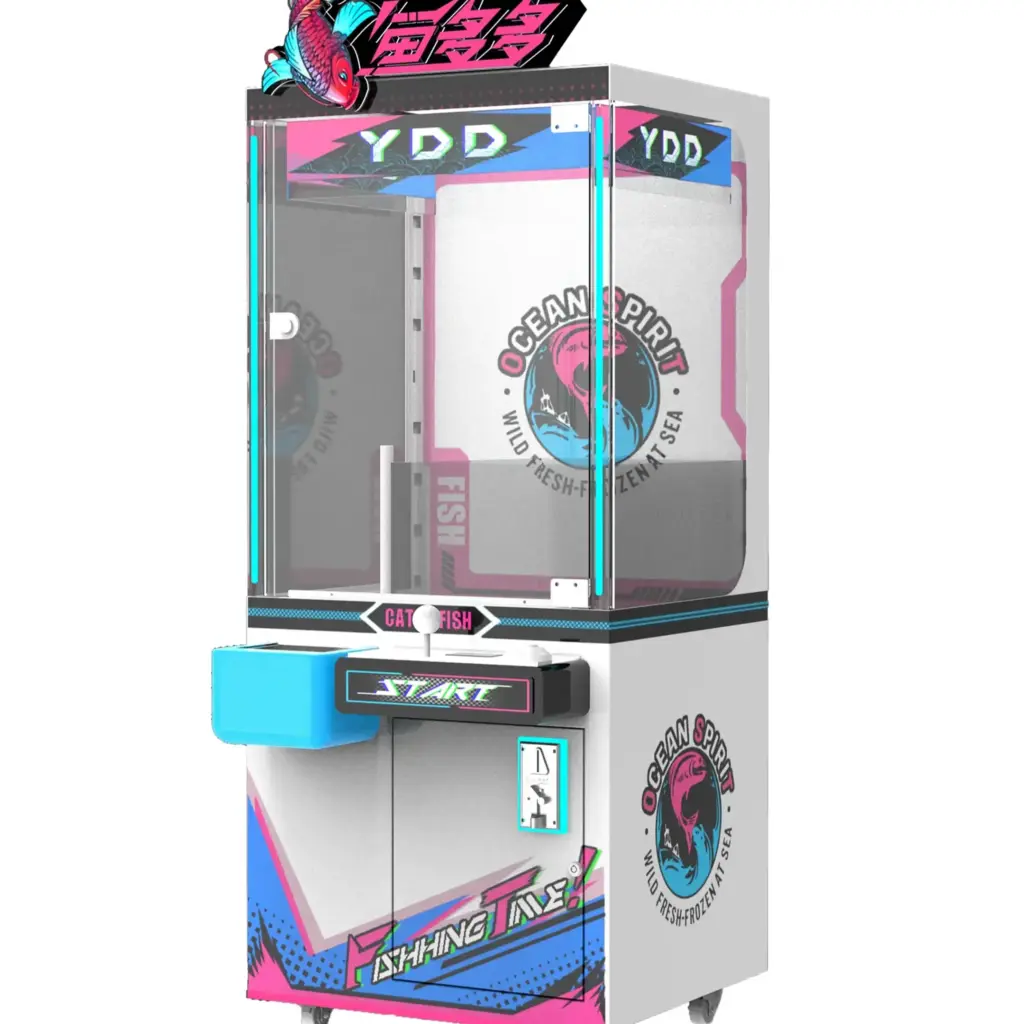
Using a practical mesin cakar quality guide during sourcing helps buyers compare build quality, gameplay performance, safety features, and after-sales support before placing an order. A careful evaluation can reduce avoidable maintenance issues and help ensure the machine fits the intended venue and operating model.
This guide compares the structural, mechanical, electrical, and software features that buyers should examine when evaluating commercial claw machines. Instead of relying on a single specification, we focus on practical quality indicators that can help you choose equipment suited to your venue and expected usage.
Why Claw Machine Quality Matters for Business Operations
Claw machine quality can have a direct effect on uptime, gameplay consistency, maintenance requirements, and the overall player experience. For operators and buyers, these factors are worth checking before comparing machines primarily by price.
Does your arcade layout suffer from sudden revenue drops or frequent out-of-order signs? Investing in claw machine quality directly determines whether a route remains highly profitable or morphs into a constant maintenance drain.
Revenue Stability and Precision Payout Control
Operators rely on predictable margins to forecast cash flow. When cheap mechanical components fail, payout ratios drift, causing localized margin erosion or player frustration.
- Grip Consistency: Check the claw assembly, guide rails, and movement system for smooth, repeatable operation without excessive wobble or positioning drift.
- Claw Strength: Adjustable claw strength allows operators to match grip settings with different prize sizes, weights, and gameplay requirements.
- Release Performance: The claw should open and release prizes consistently, with the drop mechanism and prize chute tested for smooth operation.
Advanced control boards let operators program specific win frequencies and multi-step claw strength profiles. This precision prevents wild profit swings and protects the machine’s perceived fairness.
Lowering Maintenance Overhead and Maximizing Uptime
Unplanned downtime directly destroys venue ROI. A machine sitting dark during a busy weekend lobby hour represents irreversible lost revenue and wasted square footage.
- Cabinet Build: A rigid steel cabinet combined with tempered glass can provide better resistance to everyday impact and help maintain structural stability in busy locations.
- Motor Precision: Stepper motors accurate to ±0.5° eliminate positioning drift and mechanical lockups.
- Electrical Failsafes: Branded power supplies feature overcurrent limits to guard sensitive PCBs.
Higher-quality components can reduce the frequency of mechanical and electrical failures, but actual uptime depends on machine design, usage intensity, pemeliharaan, and venue conditions.
Regulatory Compliance and Safety Standards
Operating commercial amusement equipment requires compliance with the safety requirements of the target market and venue. Buyers should confirm applicable documentation before installation.
- Safety Documentation: Check applicable CE, UL, ETL, or other market-specific safety documentation.
- Safety Features: Check emergency-stop functions, grounding, wiring, and other safety features required for the machine and target market.
- Prize Materials: For machines dispensing food prizes, check that relevant prize-contact materials meet applicable local requirements.
Confirming applicable safety requirements before installation helps reduce regulatory and operational risks.
Improving Customer Retention and Brand Perception
Modern players are highly observant. If a claw looks weak or wobbles erratically during the descent, customers walk away after a single attempt, labeling the game rigged.
- Mechanical Stability: Precise alignment within ±0.3 mm ensures the claw descends straight without erratic side-sway.
- Acoustic Comfort: Vibration damping kept below 0.5 mm at 10 Hz silences structural rattling.
- Visual Presentation: Powder-coated finishes and pristine tempered glass turn the cabinet into a focal attraction.
A silent, smooth-running game builds long-term player trust. Players return to machines that reward skill and look professional, boosting repeat-play metrics.
Payment Flexibility and Global Deployment Capabilities
Modern consumer behavior dictates cashless options. Relying solely on physical coins limits transaction volume and isolates impulse players who do not carry pocket change.
- Cashless Infrastructure: Integrated telemetry supports card readers, kode QR seluler, and traditional coin acceptors.
- Universal Power: Switchable power transformers adapt easily to regional voltage standards without complex retrofits.
Direct payment paths and adaptable electrical systems allow multi-site operators to scale rapidly across regional borders while capturing high-value digital transactions.
Materials and Components That Affect Durability
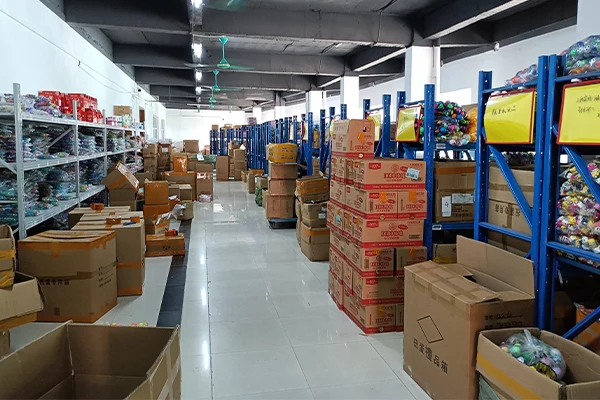
Commercial claw machine lifespan depends directly on structural steel thickness, panel kaca tempered, hardened steel claw components, and sealed, industrial-grade drive mechanics.
Selecting the right materials and components that affect durability determines whether a claw machine survives years of heavy commercial traffic or breaks down within months. High-traffic venues subject these systems to constant physical stress, meaning structural and mechanical choices directly dictate your long-term operating costs.
Cabinet and Frame Structural Materials
A claw machine’s outer shell absorbs daily physical impacts and stabilizes all internal moving systems. Choosing thick, commercial-grade metals prevents frame warps that can permanently damage operational precision.
- Cold-Rolled Steel: Thick cold-rolled steel (1.2 mm to 1.8 mm) provides structural integrity. A 1.8 mm steel cabinet delivers an expected service life of 8 ke 10 bertahun-tahun.
- Stainless Steel: High-quality 1.5 mm stainless steel withstands up to 80 kg of direct impact without deformation, whereas thin 0.8 mm plates dent under 50 kg impacts.
- Thin Metal Risks: Frame structures under 1.0 mm easily warp, causing severe gantry misalignment and degrading claw accuracy over time.
Glazing and Panel Materials
Clear panels showcase prizes and drive player engagement, making visibility a major revenue metric. Scratch-prone or fragile window materials quickly ruin the appeal of the machine and create safety hazards.
- Tempered Glass: This material maintains optical clarity and resists deep scratches under daily usage. It acts as a safe barrier that shatters into small granules instead of dangerous shards.
- Acrylic Panels: Standard acrylic scratches easily during routine cleaning, clouding the display within six months and obscuring prizes.
- Protective Coatings: Hydrophobic and anti-UV coatings protect outdoor glass from thermal expansion, yellowing, and weather-induced cracking.
Claw Assembly and Grip Components
The claw functions as the primary mechanical interface and experiences the highest cycle rate. Cheap alloys fatigue rapidly, causing loose grips and operational failures.
- Alloy Steel: Heavy-duty alloy steel claws handle high mechanical tension, enduring up to 12,000 cycles before physical wear affects grab performance.
- Stainless Steel: Stainless steel claws prevent rust and structural fatigue in humid, coastal, or chemically aggressive environments.
- Rubberized Tips: Abrasion-resistant rubber coatings increase friction on soft prizes. This maintains grab success without requiring excessive claw tension that accelerates spring wear.
Gantry, Drive Systems, and Motors
Drive assemblies dictate position accuracy, noise levels, and mechanical uptime. Substituting premium bearings and motors with low-grade components leads to chronic alignment drift.
- Gantry Rails: Rigid 16-gauge cold-rolled steel frames eliminate gantry drift. Flimsy rails cause a subtle alignment drift that can drop grab success rates by 35% in six months.
- Gears and Bearings: Wear-resistant nylon or metal gears paired with Teflon-coated bearings run 40% quieter and last 2.8 times longer than basic plastic alternatives.
- Solenoid Coils: Solenoids wound with high-purity copper coils handle repeated high-current operations. This prevents overheating and maintains consistent gripping force over thousands of consecutive plays.
Protective Coatings, Seals, and Electronic Enclosures
Environmental ingress degrades electronics and structural coatings, especially in high-traffic or semi-outdoor locations. Proper sealing techniques isolate critical control modules from dust and moisture.
- Surface Treatments: Metal cabinets subjected to acid-washing and finished with marine-grade powder coatings resist rust and paint peeling in coastal settings.
- Seals: Silicone-based compression gaskets form a dual-barrier against dust and moisture, significantly outlasting typical rubber seals that dry and crack.
- Electronics Protection: NEMA 4X-rated enclosures shield main control boards, pasokan listrik, and motor drivers from corrosive airborne particles and moisture.
Maximize Revenue With Premium Claw Machines
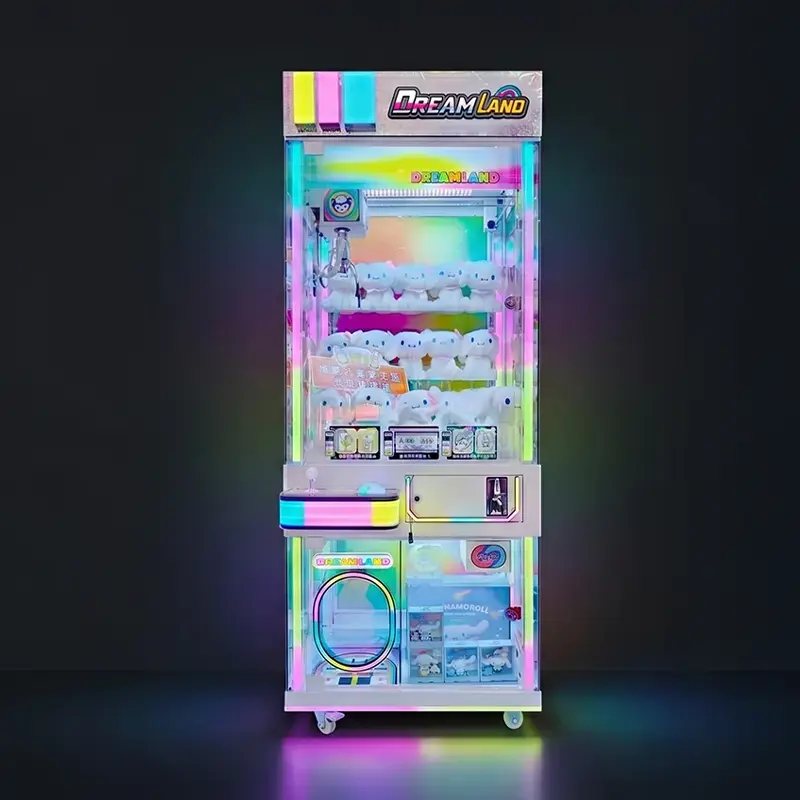
Hardware and Software Quality Evaluation
Evaluating physical build tolerances, electrical certifications, and firmware configurability prevents unexpected operational failure and stabilizes venue revenue.
Deploying unreliable amusement hardware in high-traffic venues directly erodes your bottom line. Conducting a systematic claw machine hardware and software quality evaluation ensures you avoid unexpected downtime, erratic payouts, and costly service calls.
| Component Group | Commercial Standard Target | Budget/Low-End Risk |
|---|---|---|
| Kabinet & Structure | Steel thickness ≥1.5 mm, hardened linear rails | Thin metal <0.8 mm, structural drift, rail warp |
| Claw Configuration | Dual-motor or servo-driven (≥1.8 kgf grip) | Single-solenoid, fixed-tension plastic |
| Drive Motors | 12V/20W (standard) to 24V/40W (heavy-duty) | Underpowered toy-grade stepper motors |
| Electrical Connections | Screw terminals or Molex-style connectors | Direct hand-solder points, fragile ribbon cables |
| Firmware Updates | Physical USB-C or microSD interface | Unauthenticated Bluetooth-only update paths |
Cabinet and Mechanical Component Standards
Cabinet rigidity determines long-term structural alignment. High-traffic venues subject amusement machines to continuous physical stress, which quickly deforms thin metal structures, leading to gantry misalignment and reduced grab accuracy.
- Structural Alignment: Check that the cabinet frame and guide rails are rigid enough to maintain stable gantry movement during repeated operation.
- Claw Drive System: Verify that the drive system delivers smooth, consistent movement and allows the claw strength to be adjusted for different prize sizes and weights.
- Motor Capacity: Check that the motor specification matches the machine’s size, movement system, expected usage, and electrical design.
Using under-spec materials like thin low-cost metals below 1.0 mm limits cabinet lifespan to barely a year. Structural drift in flimsy frames causes subtle gantry warping, which can drop success rates by up to 35% within months of installation.
Electrical Systems, Safety Hardware, and IATS Compliance
Electrical safety goes beyond protecting internal circuitry; it shields operators from liability and compliance failures. Non-compliant machines expose operations to hefty regulatory fines and can void commercial venue insurance policies.
- Market-Access Certifications: Confirm electrical assemblies hold valid CE, and RoHS certifications alongside EN 55032 compliant EMC shielding.
- Emergency Stops: Confirm that emergency-stop devices are clearly accessible and that their location and operation meet the safety requirements applicable to the machine’s target market.
- Door Interlocks: Install instant-cutoff interlocks on all prize compartment doors to isolate mechanical power immediately when opened.
- Harness Terminals: Utilize heavy-duty screw terminals or Molex-style connectors for all motor leads and power cables instead of direct solder points.
Standardizing on heavy-duty, connectorized wiring harnesses prevents electrical resistance buildup and simplifies on-site technician troubleshooting. Poorly insulated cabinets risk overheating, static shocks, and interference with neighboring cashless readers.
Firmware Architecture and Gameplay Control Logic
Unpredictable payout behavior erodes player trust and compromises cash flow security. Mainboards running crude, uncalibrated software can cause inconsistent claw tension, leading players to abandon the game and label the machine as unfair.
- Payout Control: Check control boards for numeric payout rate inputs and independent claw strength settings rather than vague preset difficulty options.
- Latency Testing: Check joystick and controller responsiveness during repeated gameplay cycles. The movement and prize-release sequence should respond consistently without noticeable delays, missed commands, or unexpected stops.
- Update Channels: Require firmware update pathways to utilize physical USB-C or microSD interfaces to maintain secure and stable local updates.
Fine-grained software calibration lets operators balance their prize margins with an engaging player experience. Avoiding closed, undocumented Bluetooth-only pathways protects the system from firmware tampering and unauthorized payout modifications.
Telemetri, Remote Diagnostics, and Cloud Dashboard Performance
Operating route-based machines without remote visibility turns minor component failures into expensive diagnostic visits. Real-time data feeds keep machines profitable by flagging specific errors before a technician even drives to the venue.
- Diagnostic Parameters: Utilize remote cloud management platforms that display active motor error codes, precise inventory metrics, and complete firmware logs.
- Reliability Records: Ask the manufacturer for available testing records, maintenance history, or operating references that can help you assess reliability under commercial use.
- Wear Analysis: Request anonymized service histories from comparable retail or high-footfall venues to evaluate real-world component wear.
Using remote monitoring prevents chronic payment reader faults, ticket jams, and motor sensor dropouts from keeping your machine offline during peak operational hours.
Pre-Purchase Verification and On-Site Acceptance Testing
A factory-assembled machine might look perfect on paper, but shipping transit vibrations and assembly line oversight can cause early field failures. Performing a standardized quality gate test upon delivery eliminates early infant-mortality component issues.
- Grip Consistency: Run repeated test plays using representative prizes from your intended product range. Check whether the claw maintains consistent movement, grip behavior, and prize release across multiple cycles.
- Gantry Mapping: Map the exact movement path of the gantry assembly across a ruler grid to measure and isolate alignment deviations.
- Interlock Cutoffs: Trigger emergency stop and safety door open cycles while the crane is in motion to confirm power cuts off immediately.
Testing claw grip consistency across different voltage settings reveals power supply stability under full mechanical load, confirming that your new machine is ready for continuous public use.
Factory Testing Standards Before Delivery
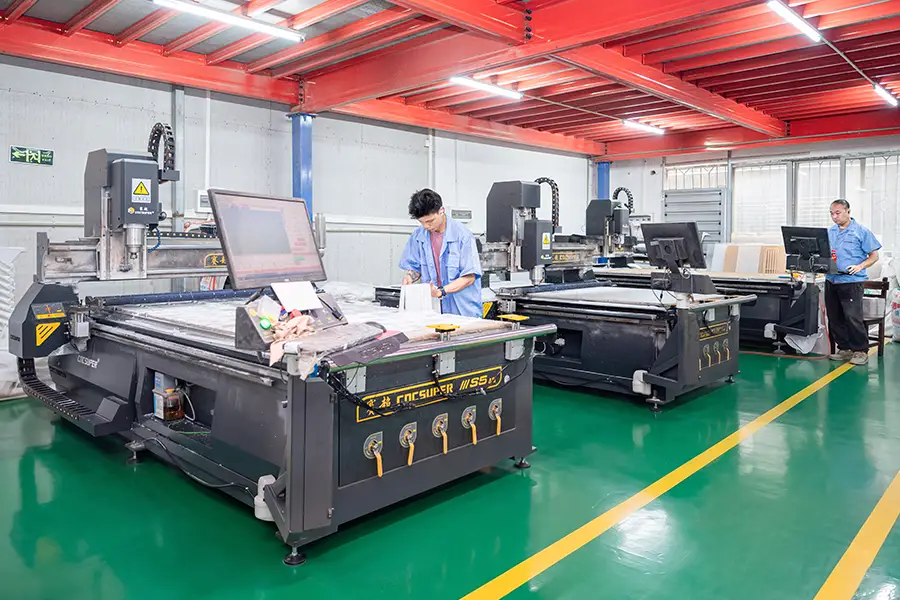
Can a claw machine sustain thousands of plays without a single physical glitch? Rigorous factory testing standards before delivery act as the ultimate quality gate to prevent early field failures.
Rigid pre-shipment protocols ensure mechanical durability, electrical safety, and payment accuracy to maximize operator revenue and minimize downtime.
Mechanical and Gameplay Functional Verification
A crane gantry must run without sticking or loose movements. Our process runs each assembly through its paces to ensure field-ready performance before it leaves the factory floor.
- Multi-axis claw movement: Technicians test the X, Y, and Z movements for smooth travel, stable positioning, and consistent operation across repeated cycles.
- Grip force consistency: The system verifies consistent tip pressure across multiple cycles, testing strength adjustment ranges for precise payout control.
- Gameplay cycle validation: Every input gets checked from the initial credit insertion and joystick response to the final prize drop sensor activation.
Electrical Safety and Regulatory Compliance Checks
Operating in commercial spaces means complying with strict safety rules. Unsafe wiring or lack of grounding risks staff safety and invites heavy legal liabilities.
- Dielectric and insulation testing: Testing units measure resistance between live parts and accessible metal surfaces to ensure complete electrical isolation.
- Protective grounding continuity: Ground connections are verified to meet international safety standards, including CE LVD and UL standards.
- Electromagnetic compatibility (EMC): Every unit undergoes shielding checks to prevent RF interference with payment modules or nearby electronics.
Continuous Burn-In and Transport Simulation Testing
Early component failure often happens within the first few hours of operation. We run stress tests at the factory to catch these faults before shipping.
- Aging run duration: Assembled machines undergo a continuous 24 to 48-hour power-on cycle to identify weak components under thermal stress.
- Component stressing: Automated game cycles repeatedly trigger electronic boards, unit catu daya, and motors to test physical limits.
- Transport simulations: Packaged cabinets undergo drop and vibration testing to confirm the packaging protects fragile elements during transit.
Localization, Payment System, and Customization Audits
Claw machines must arrive ready to play in their target market. A mismatched plug or incompatible currency reader halts operations immediately.
- Hardware configuration: Voltage setups and regional plug types are verified against the destination country’s grid specifications.
- Payment credit recognition: Local coin acceptors, validator tagihan, and card or QR readers are tested with real currency to ensure credit processing works correctly.
- Customization inspection: QA teams check custom branding wraps, themed LED lighting profiles, regional firmware languages, and preset payout ratios.
Factory Acceptance Test Documentation and Traceability
Traceability protects your investment and simplifies future repairs. Verbal assurances cannot replace hard data sheets tied to a specific machine.
- Check sheet records: Detailed pass/fail results for every mechanical and electrical point are mapped directly to the machine’s unique serial number.
- Video documentation: Suppliers record working gameplay, payment functions, and customized features to secure buyer approval prior to loading.
- Warranty tracing: These documented histories act as reference points for future parts replacement and speed up processing of warranty claims.
Common Problems With Low Quality Machines
Operators often buy low quality claw machines to save on upfront capital, only to face immediate service complaints and lost earnings. These budget units quickly reveal critical weaknesses that compromise both player satisfaction and operational margins.
Cheap claw machines compromise on core components, leading to rapid mechanical wear, electrical failures, and constant operational downtime that directly destroys venue revenue.
Weak Grip and Inconsistent Claw Tension
The claw system serves as the primary touchpoint for players, meaning any drop in grip performance immediately signals a rigged game. Budget manufacturing choices lead directly to erratic gripping force.
- Rapid Spring Fatigue: Budget claw assemblies experience rapid spring fatigue, often showing failure signs after just 10,000 plays compared to premium claws built to sustain 50,000 cycles.
- Voltage and Solenoid Failures: Insufficient voltage supply and cheap solenoids prevent the claw from maintaining steady grip pressure, leading to premature prize drops and high error rates.
- Control Board Malfunctions: Poorly calibrated control boards cause sudden drops in claw tension during mid-travel, frustrating players and driving down repeat play rates.
Rapid Mechanical Wear and Motion Axis Failures
Daily operation places heavy physical stress on the motion system. Low-end machines cannot handle the constant physical impact of high-traffic locations.
- Gantry and Gear Degradation: Flimsy gantry assemblies and plastic gears degrade quickly under daily use, causing grinding noises, alignment issues, and loss of motor torque.
- Belt and Chain Slippage: Substandard drive belts and chains slip easily, causing the claw assembly to jitter, stall on a single axis, or fail to return to its home position.
- Rail Misalignment: Misaligned rails and loose structural supports lead to uneven physical wear, requiring operators to perform constant mechanical corrections.
Electrical Instability and System Overheating
A reliable electrical backbone is vital for continuous operation. When machines lack professional electrical designs, operators face catastrophic component burnouts.
- Power Supply Drops: Low-quality power supplies produce unstable voltages that trigger sudden system reboots, weak grab force, and unreliable control responses.
- Thermal Accumulation: Poor cabinet ventilation and cheap fans lead to rapid heat buildup, causing swollen capacitors, burnt wiring, and accelerated motor degradation.
- Signal Interference: Unshielded wiring makes the electronic controls highly vulnerable to static discharge and electromagnetic interference, corrupting game settings.
Sensor Malfunctions and Prize Dispensing Jams
Revenue collection and verification systems keep the game loop functional. Defective sensors directly break this loop, leading to customer disputes.
- Payment and Registration Jams: Cheap coin acceptors and low-grade optical sensors frequently jam, miscount credits, or fail to register winning plays.
- Chute Obstructions: Poorly designed, narrow prize chutes and misaligned drop paths cause soft toys or plastic capsules to get stuck during delivery.
- Detection Failure: Failed prize-detection sensors fail to register successful wins, causing player disputes and requiring manual intervention from staff.
Shortened Service Life and Inflated Upkeep Costs
Operators calculate the true cost of a machine across its operating lifecycle. Saving money on the initial purchase price is a financial illusion when the hardware decays prematurely.
- Premature Cabinet Failure: Low-quality units fail completely within 2 ke 3 years of placement, whereas commercial-grade machines routinely operate for 8 ke 10 bertahun-tahun.
- High Maintenance Overhead: Unreliable hardware demands frequent maintenance, calibration, and replacement parts, erasing the initial purchase savings through high operational downtime.
- Brand Damage: Unpredictable behavior and non-responsive claw movements damage player trust, leading to negative reviews and lower location revenues.
Checklist for Selecting a Reliable Manufacturer
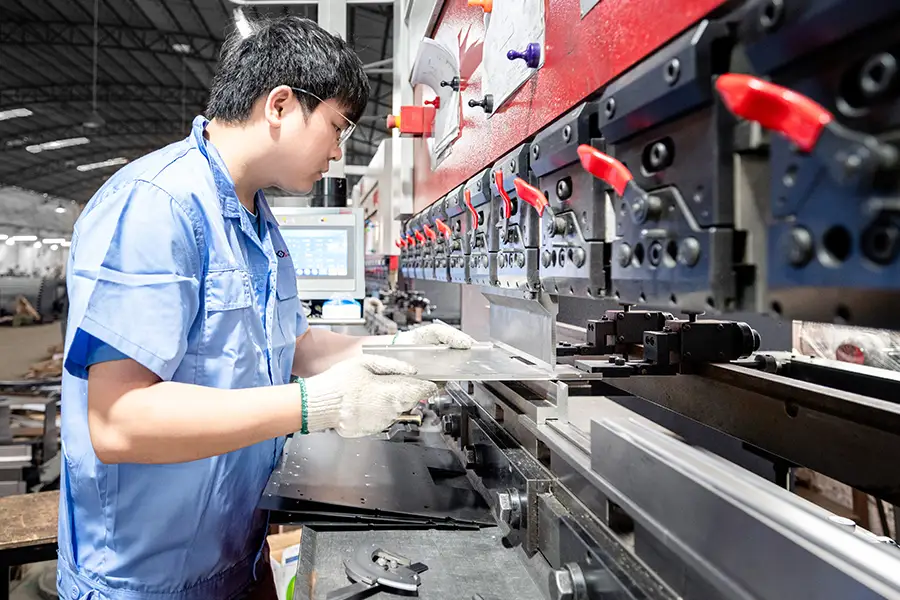
Vetting factory operations and component standards protects operators from high maintenance costs and unscheduled machine downtime.
Skipping basic checks can lead to avoidable repair costs, waktu henti, and a poor player experience. Whether you are buying one machine or planning a larger arcade setup, a simple produsen mesin cakar and product verification process can help reduce these risks before placing an order.
Factory Capabilities and Background Verification
Middlemen often pose as direct factories, marking up unit prices while offering zero quality control on the assembly line. Direct verification ensures you partner with an actual builder capable of meeting your scaling needs.
- Specialization and Export History: Check how long the manufacturer has specialized in amusement equipment and whether it has relevant experience supplying machines to your target market.
- Live Factory Inspections: Request live virtual tours or on-site inspections of assembly lines to confirm actual factory operations rather than trading office mediation.
- Production Capacity: Confirm monthly production capacity and lead times align with your initial orders and future scale-up requirements.
Membangun Kualitas, Component Standards, and Customization
The materials inside your cabinet dictate whether your machine lasts a decade or breaks down within months. Professional configurations demand industrial-grade physical and electronic components.
- Material Specifications: Verify component specifications, including high-grade steel cabinets of at least 1.5 mm thickness, 5 mm tempered safety glass, and branded motors, sensor, and control boards.
- Software and Payments: Check software and payment configurations, including adjustable claw strength, telemetry tracking, and support for cashless or card reader systems.
- OEM/ODM Flexibility: Assess OEM/ODM capabilities for custom artwork, cabinet styling, and integration with existing venue management systems.
Kontrol Kualitas, Pengujian, and Compliance
A reliable builder treats testing as a mandatory quality gate before delivery. Skipping component checks exposes your business to regulatory compliance risks and electrical hazards.
- QA Procedures: Review written quality assurance procedures spanning raw material checks, in-process inspections, and final functional testing.
- Burn-In Protocols: Inquire about mandatory burn-in procedures, such as running machines continuously for 24 ke 48 hours and checking mechanical cycle limits before shipping.
- Regulatory Certification: Confirm model-level certifications matching your local regulatory requirements, termasuk CE, RoHS, FCC, or UL documentation.
After-Sales Support, Warranties, and Reliability
Every machine eventually requires replacement parts or calibration. Secure support structures before signing any agreements to ensure minor glitches do not result in weeks of lost revenue.
- Written Warranties: Secure written warranties specifying terms for main boards, motor, and wear items alongside clear SLA response-time guarantees.
- Remote Tech Support: Assess remote technical support options, diagnostic tools, and the turnaround time for priority spare parts dispatch.
- Reliability Benchmarks: Evaluate model reliability indicators like Mean Time Between Failures (MTBF) and run short trial placements of one to five units.
Commercial Terms and Pre-Order Verification
Vague shipping terms and unverified performance claims can erase the savings of a cheaper unit price. Run a final checkout process to protect your capital.
- Total Cost of Ownership: Analyze the Total Cost of Ownership (TCO), balance unit price against maintenance, and specify clear Incoterms in signed agreements.
- Operator References: Request customer references and verify performance histories with operating brands in similar target markets.
- Final Delivery Checklist: Execute a final checklist confirming pre-shipment inspection details, multilingual manuals, and a complete packing list.
Taking these operational vetting steps establishes a strong commercial foundation. By checking build standards, QA processes, and logistics details, you keep your arcade cabinets running profitably and minimize early mechanical wear on your route.
Pertanyaan yang Sering Diajukan
How can operators identify a high-quality commercial claw machine?
To identify a high-quality commercial claw machine, check the cabinet construction, glass or panel material, claw assembly, movement system, wiring, payment system, and software controls. The machine should operate smoothly across repeated plays, with adjustable gameplay settings and clearly organized internal components. Buyers should also ask the manufacturer for material specifications, testing records, and applicable compliance documentation.
What is the typical lifespan of a commercial claw machine?
Standard commercial claw machines last 5 ke 10 bertahun-tahun, sementara premium, well-maintained units can operate for 15 ke 20 bertahun-tahun. Mechanical wear items like claw cables, springs, sabuk penggerak, and payment modules degrade first, usually requiring replacement within 2 ke 4 years of continuous high-volume operation.
What are the most common causes of claw machine breakdowns?
Mechanical wear in the claw assembly, slipping or stretched gantry belts, and dust accumulation on optical coin sensors cause most failures. Power fluctuations below 22 V in 24 V systems also weaken claw grip, while a lack of regular rail lubrication forces motors to overheat and trigger automatic safety lockouts.
Are cheap claw machines a viable investment for commercial venues?
Lower-priced machines may reduce the initial investment, but purchase price alone does not determine long-term value. Compare the machine’s build quality, prize capacity, payment system, maintenance requirements, warranty, ketersediaan suku cadang, and expected usage before evaluating the total cost of ownership.
What materials provide the best durability for public arcade environments?
For public arcade environments, durable steel cabinet construction, suitable glass or acrylic panels, and well-designed guide and drive components can help the machine withstand repeated use. The claw assembly should also use materials and grip components suited to the expected prize types and operating conditions.
What safety and quality certifications should suppliers provide?
Suppliers must provide CE marking certificates (including EMC and LVD test reports) for European markets, and UL or ETL safety marks for North American venues to comply with building and insurance codes. Ensure the manufacturing facility holds an active ISO 9001 quality management certification to verify consistent production standards.
How can operators reduce ongoing claw machine maintenance costs?
Follow the manufacturer’s recommended cleaning and maintenance schedule, and inspect the claw mechanism, sensor, payment system, and moving parts regularly. Keeping commonly used spare parts available can also help reduce downtime and simplify routine repairs.
Pikiran Terakhir
While budget machines may have a lower upfront cost, buyers should look beyond the purchase price and evaluate cabinet construction, mechanical performance, electrical safety, perangkat lunak, warranty support, and spare-parts availability. A well-matched machine can provide a more reliable foundation for long-term operation and a better player experience.
Protecting your long-term arcade margins starts with verifying build tolerances before machines ever reach your floor.
We recommend ordering a single sample machine to evaluate our mechanical tolerances and structural finish firsthand under real-world venue conditions. Our engineering team can also review your custom OEM specifications to customize the payout software and cabinet branding for your target market.
Contact our procurement specialists to access our complete product catalog and secure a detailed quote for your next route deployment.