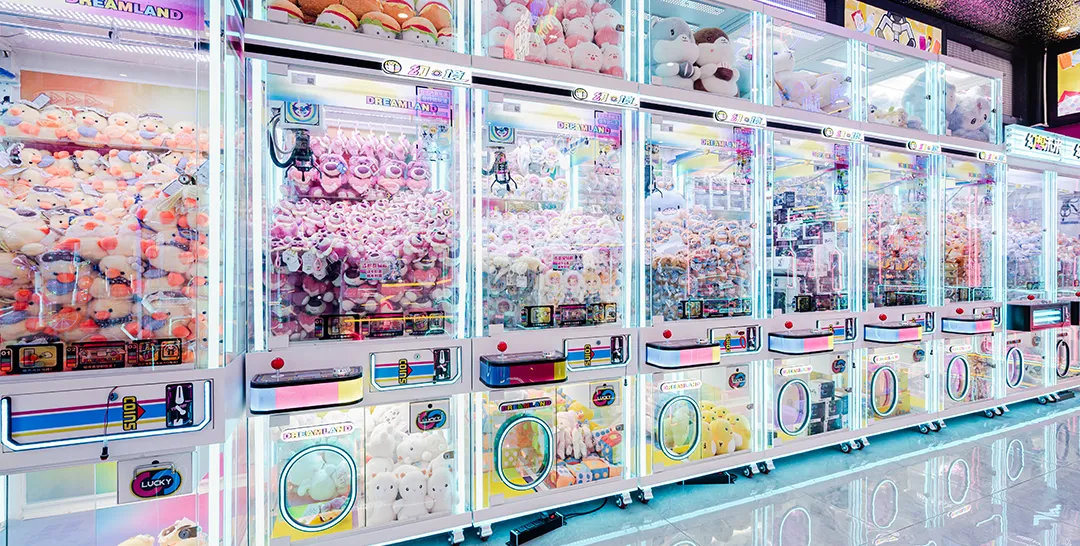
Macchina per artigli i prezzi dipendono dai materiali del mobile, meccanismi ad artiglio, sistemi di controllo, opzioni di pagamento, e personalizzazione. Spedizione, installazione, e anche il supporto post-vendita contribuiscono al costo totale di acquisto. Questi fattori spiegano perché macchine dall'aspetto simile possono ricevere quotazioni di fabbrica diverse.
Differenze nella costruzione del mobile, qualità dell'hardware, e la configurazione della macchina influiscono anche sulla durata, prestazione, e costi di manutenzione. Gli acquirenti dovrebbero considerare questi dettagli quando confrontano i prezzi delle macchine ad artiglio.
Cosa determina il prezzo base di una macchina ad artigli?
Un prezzo base inizia con quattro decisioni hardware: mobiletto, artiglio, controlli, e le funzionalità rivolte al giocatore che li circondano.
Machine Size and Cabinet Structure
Size is the first number on any quotation. A countertop mini uses a fraction of the sheet metal, glass, and interior framing of a full-size upright, and a giant display cabinet multiplies both the materials and the handling cost.
Cabinet structure also affects the price. Steel frames with tempered glass panels cost more than lighter plywood builds, but they hold alignment through shipping and daily operation, which protects both the claw path and the glass doors. Buyers comparing quotes should ask what stands behind the panels before comparing prices.
Claw Mechanism and Control System
The claw assembly is a major component, and its quality affects the price. A stronger claw with a reliable coil or motor costs more than an entry-level equivalent. Al costo contribuiscono anche un sistema di binari stabile e un pannello di controllo che mantiene le impostazioni di presa durante le lunghe ore di funzionamento.
La qualità del controllo decide anche la parte del gameplay che l'operatore può ottimizzare. Tavole che espongono la forza di presa, velocità di movimento, e le modalità di gioco danno all'operatore spazio per abbinare la macchina al mix di premi. Quella profondità del software ha la sua parte nel prezzo.
Display, Illuminazione, e funzionalità interattive
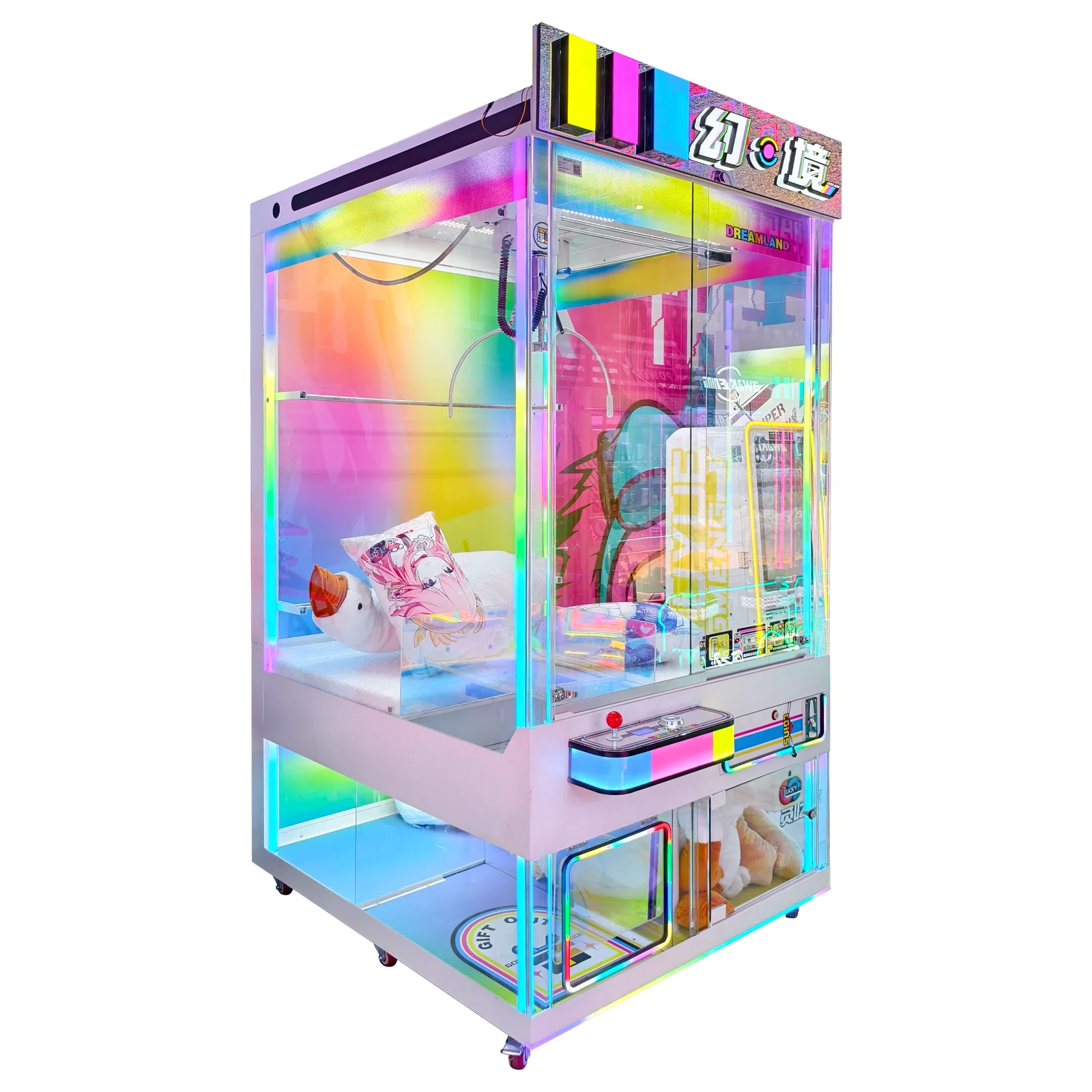
Luci e schermi attirano i giocatori, ma ogni caratteristica aggiuntiva aumenta il costo della macchina. Un set di strisce LED di base è poco costoso, mentre l'illuminazione RGB su tutto il perimetro, barre luminose animate, e schermate di visualizzazione per animazioni o messaggi di jackpot aumentano ciascuno la quotazione.
Extra interattivi come i pannelli touch, pacchetti sonori, e i sistemi con sensore di premio rientrano nella stessa categoria. They earn their cost in venues that sell an experience rather than a single pull, and they are worth skipping when the budget has to stay tight.
Single-Player vs. Multiplayer Configurations
A single-player cabinet carries one claw, one control set, and one prize door, which keeps the base price contained. Multiplayer models add stations, artigli, and a shared prize field, increasing the unit price as more player positions are added.
Configuration also changes the cabinet class itself. Island-shaped multiplayer units sit players around a common prize field, and that geometry changes the frame, the glass, and the shipping footprint at the same time.
How Do Different Claw Machine Types Compare in Price?
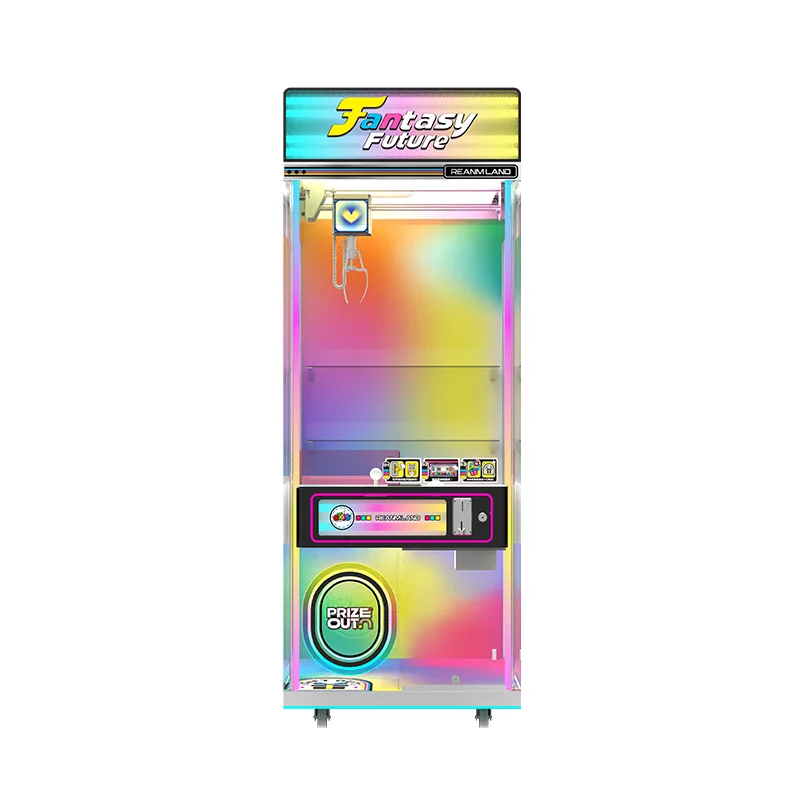
Machine type is the fastest shortcut to a price band before any factory conversation starts.
| Tipo di macchina | What Moves the Price | Where It Fits a Budget |
|---|---|---|
| Mini claw machine | Compact cabinet, simple claw assembly, basic control board | Lowest entry ticket per unit |
| Standard commercial machine | Full-size cabinet, stronger claw hardware, opzioni di pagamento | Core volume line for arcades |
| Large and multiplayer machine | Bigger prize field, multiple stations, heavier cabinet | Higher unit cost shared across stations |
| Custom-themed machine | Opera d'arte, illuminazione, software, and structure changes | Quoted per project from drawings |
Mini macchine ad artiglio
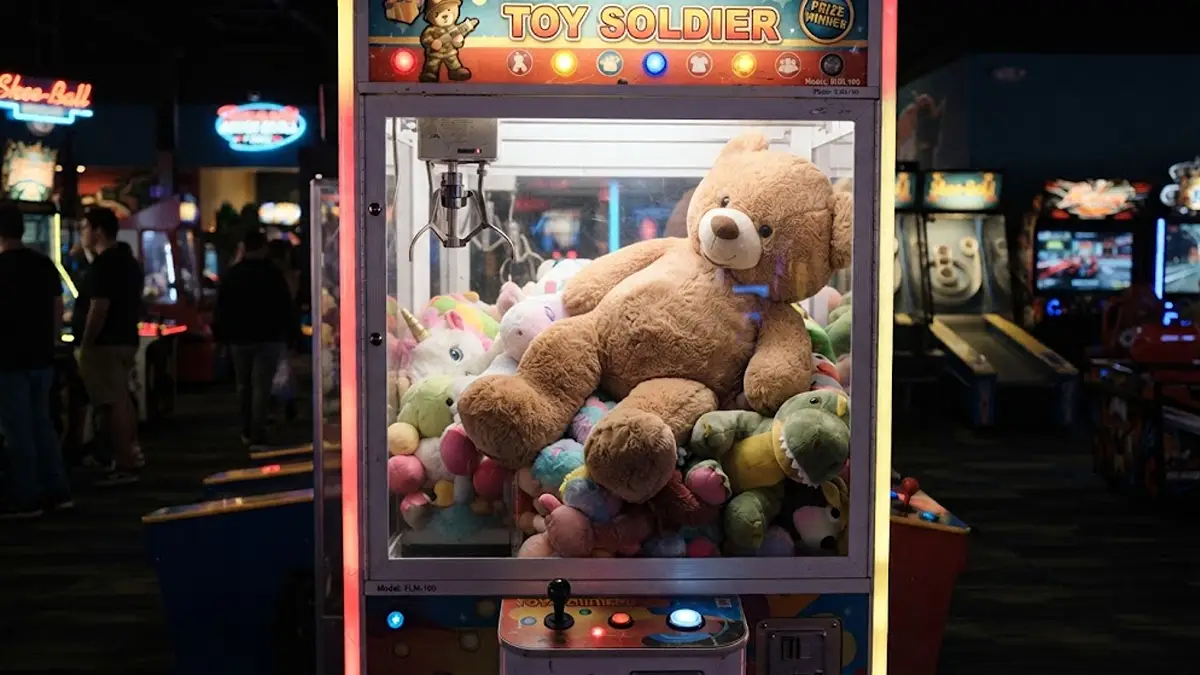
Crane machines and claw machines share the same cabinet family, and their pricing moves with the same factors: misurare, grip hardware, and options. The mini format is the entry tier, with compact cabinets and simplified claw assemblies that make it the most affordable unit to buy and to ship.
Venues typically place mini machines on countertops, near shop entrances, or in small entertainment areas rather than using them as main attractions.
Standard Commercial Claw Machines
Standard commercial cabinets are the volume core of most orders. They carry full-size claw assemblies, standard payment hardware, and prize fields sized for everyday plush and boxed prizes, and factories quote them from established tooling.
A single commercial cabinet is quoted on its cabinet size, claw hardware, and customization level, so the factory quotation is the number buyers plan around. For most arcades, this tier delivers the most machine per dollar spent.
Large and Multiplayer Claw Machines
Large cabinets and multiplayer formats sit above the standard tier. Bigger prize fields mean more glass, steel, and lighting, and every extra station adds a claw and a control set. The unit price rises quickly, but the same cabinet also serves several players at once, which changes how the cost divides across the plays it hosts.
Custom-Themed Claw Machines
Custom-themed machines leave the standard price structure. Cabinet artwork, custom glass shapes, special lighting, and software changes are engineered per project, so quotations are built from drawings rather than a price list. Buyers should expect the quote to scale with both the design work and the production complexity behind it.
Plan Your Claw Machine Budget With Factory Numbers
Which Customization Options Increase Claw Machine Costs?
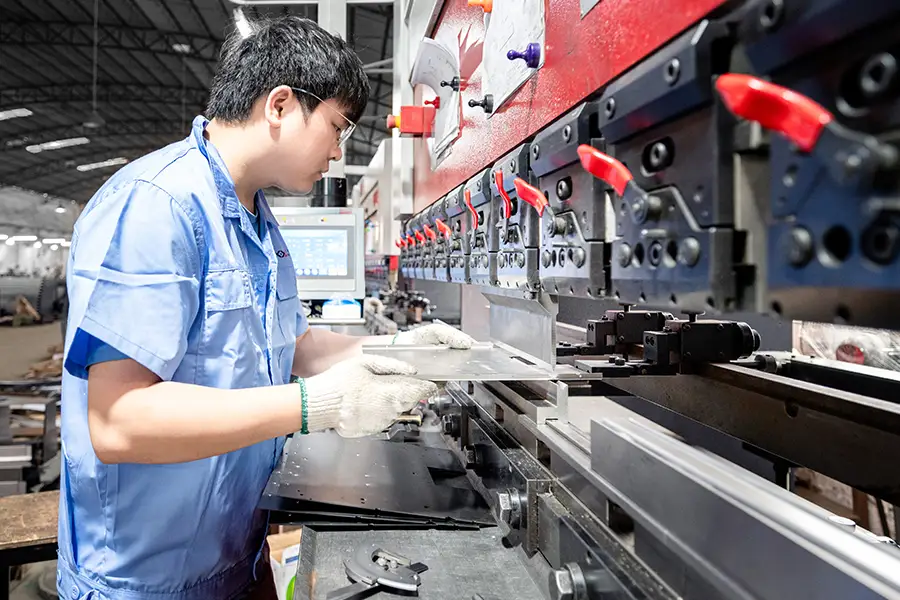
Customization is where a standard cabinet quietly becomes a project with its own price logic.
Cabinet Appearance and Branding
Appearance work starts with vinyl wraps and printed panels, which add a modest step to the quotation. Full custom tooling, molded trim, and brand-specific color schemes go further, since they change the production jigs and the assembly sequence.
Branding requests should be named at the inquiry stage so the factory prices them into the order instead of discovering them mid-build.
Custom Game Functions and Software
Software changes range from simple mode presets to full custom game logic. Presetting grip strength, timer di gioco, and pricing tiers is close to free, while new win logic, custom animations, or branded interfaces need development hours. For a deeper look at what that layer can carry, leggi la nostra guida su In che modo il software Claw Machine migliora l'esperienza e le entrate dei giocatori.
Payment System Integration
Payment hardware is a quiet cost driver. Coin acceptors are the baseline, while bill validators, lettori di carte, and mobile payment modules each add hardware cost and, in some markets, certification steps.
Buyers should confirm which payment setup the destination venue actually runs before selecting the option, since retrofits after delivery cost more than factory fitting.
Special Materials and Interior Components
Material upgrades change both price and durability. Vetro temperato, reinforced prize chutes, upgraded claw cables, and metal gear trains all outlast their budget equivalents in busy venues.
Interior extras such as prize shelving, dividers, sensor kits, and anti-theft hardware belong to the same line, and each one should earn its place against the prize plan for the venue.
What Additional Costs Should Buyers Include in Their Budget?
The quotation is only the first line, and freight, doveri, installazione, and parts finish the budget.
| Cost Item | What It Covers | Who Arranges It |
|---|---|---|
| Packaging and freight | Export carton or crate, pallet, ocean or air leg | Factory packs, buyer books freight |
| Import duties and taxes | HS classification, duty rate, destination tax | Buyer with a customs broker |
| Installation and setup | Unloading, posizionamento, power check, first test | Buyer crew with factory guidance |
| Spare parts and support | Wear parts, tavole, remote diagnosis, termini di garanzia | Factory supplies, buyer stocks spares |
Packaging and International Shipping
Export packaging requires careful planning to protect machines during transportation. Foam density, carton grade, pallet choice, and crate construction all protect a cabinet that will spend weeks in transit, and better protection shows up as a small addition to the unit price.
The freight leg itself is usually the largest post-quote cost, because ocean freight prices by volume and weight. A claw machine’s weight follows its cabinet size and materials, and gross weight with packaging is the figure that drives freight cost.
Import Duties and Taxes
Duties and taxes are calculated at destination, and they depend on how the shipment is classified. Arcade and game machine categories carry their own HS codes and duty rates, and the destination country adds VAT or sales tax on top of the landed value.
Buyers should ask the supplier for accurate invoice data early, because the customs broker works from those documents. A budget that ignores duty exposure can misstate the real total by a wide margin.
Installation and Setup
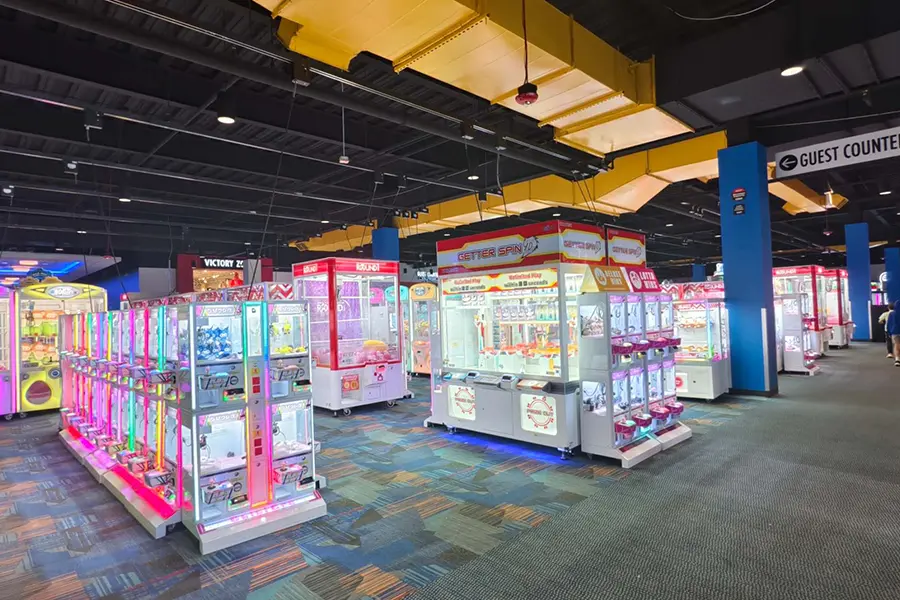
Installation is usually simple for a single cabinet but scales with the order. Crews unload, posizione, level, and power each machine, then run a first game cycle to confirm claw action and payment hardware. Setting up an arcade combines machine quotations with venue preparation, trasporto, doveri, and installation, which is why operators budget beyond the unit price.
Spare Parts and After-Sales Support
Spare parts deserve a budget line from day one. Claw assemblies, coils, cables, joystick, and boards are wear items, and a small starter stock keeps a venue running while replacements ship. Support terms, from remote diagnosis to parts logistics, rientrano nel confronto insieme al prezzo della macchina stessa.
Come possono le aziende controllare i costi di acquisto delle macchine ad artiglio?
Il controllo dei costi deriva dall'abbinamento, confrontando, e pianificazione piuttosto che andare a caccia dell'adesivo più basso.
Abbina le specifiche della macchina ai requisiti della sede
La macchina più economica che fallisce diventa l'acquisto più costoso di tutti. Volume del traffico, strategia dei premi, e lo spazio a pavimento dovrebbe decidere la classe del mobile prima che vengano richiesti i preventivi. Il budget iniziale per un'attività di sala giochi è pari al preventivo delle macchine più la sede, licenza, trasporto, e montepremi di apertura, dimensionato al numero di macchine previste nel progetto. Per strutturare quella decisione, vedere il nostro articolo su Come scegliere una macchina per artigli commerciale per la tua attività.
Confronta preventivi completi anziché prezzi unitari
Due preventivi con lo stesso prezzo della macchina possono essere molto distanti una volta effettuato il trasporto, hardware di pagamento, personalizzazione, e vengono conteggiati i termini del supporto. Buyers get clean comparisons by asking every supplier to quote the same specification list, itemized the same way. An average arcade machine price depends on the game family, but buyers compare quotes on the same basis: specification, options, trasporto, and after-sales terms.
Evaluate Bulk Order Pricing
Bulk orders move the unit price and the freight math at the same time. Container loads reduce the per-unit shipping cost and often bring better cabinet pricing. Arcades planning several venues and distributors ordering for resale should therefore quote in volume tiers rather than one cabinet at a time.
Consider Long-Term Operating and Maintenance Costs
The purchase price is one column in a longer sheet. Power draw, prize restocking, parts replacement, and downtime all run through the years a machine operates, and together they decide the real return. To follow that thread, vedere il nostro articolo su Le macchine ad artiglio sono redditizie? Potenziale di guadagno, Applicazioni aziendali, e fattori chiave.
Frequently Asked Questions About Claw Machine Pricing
How much would it cost to buy a claw machine?
A single commercial cabinet is quoted on its cabinet size, claw hardware, and customization level, so the factory quotation is the number buyers plan around.
How much do crane machines cost?
Crane machines and claw machines share the same cabinet family, and their pricing moves with the same factors: misurare, grip hardware, and options.
How much does an average arcade machine cost?
An average arcade machine price depends on the game family, but buyers compare quotes on the same basis: specification, options, trasporto, and after-sales terms.
How much does it cost to set up an arcade?
Setting up an arcade combines machine quotations with venue preparation, trasporto, doveri, and installation, which is why operators budget beyond the unit price.
How much money to start an arcade business?
Il budget iniziale per un'attività di sala giochi è pari al preventivo delle macchine più la sede, licenza, trasporto, e montepremi di apertura, dimensionato al numero di macchine previste nel progetto.
How heavy is a claw machine?
A claw machine’s weight follows its cabinet size and materials, and gross weight with packaging is the figure that drives freight cost.
Conclusion
Claw machine pricing settles into layers rather than a single tag. The base cabinet and its hardware set the floor, the machine type sets the band, and customization plus the costs that follow the order finish the total. Treating each layer as a named line item turns a confusing quote into a readable budget.
The most reliable way to control the total is to buy against the venue instead of against the catalog. Match the cabinet class to traffic and prize plans, compare itemized quotations on identical specifications, and keep freight, doveri, installazione, and spare parts inside the plan from the start.
For quotations built on your machine mix and order size, get a factory price list from TKY Amusement and price the total cost, not just the cabinet.