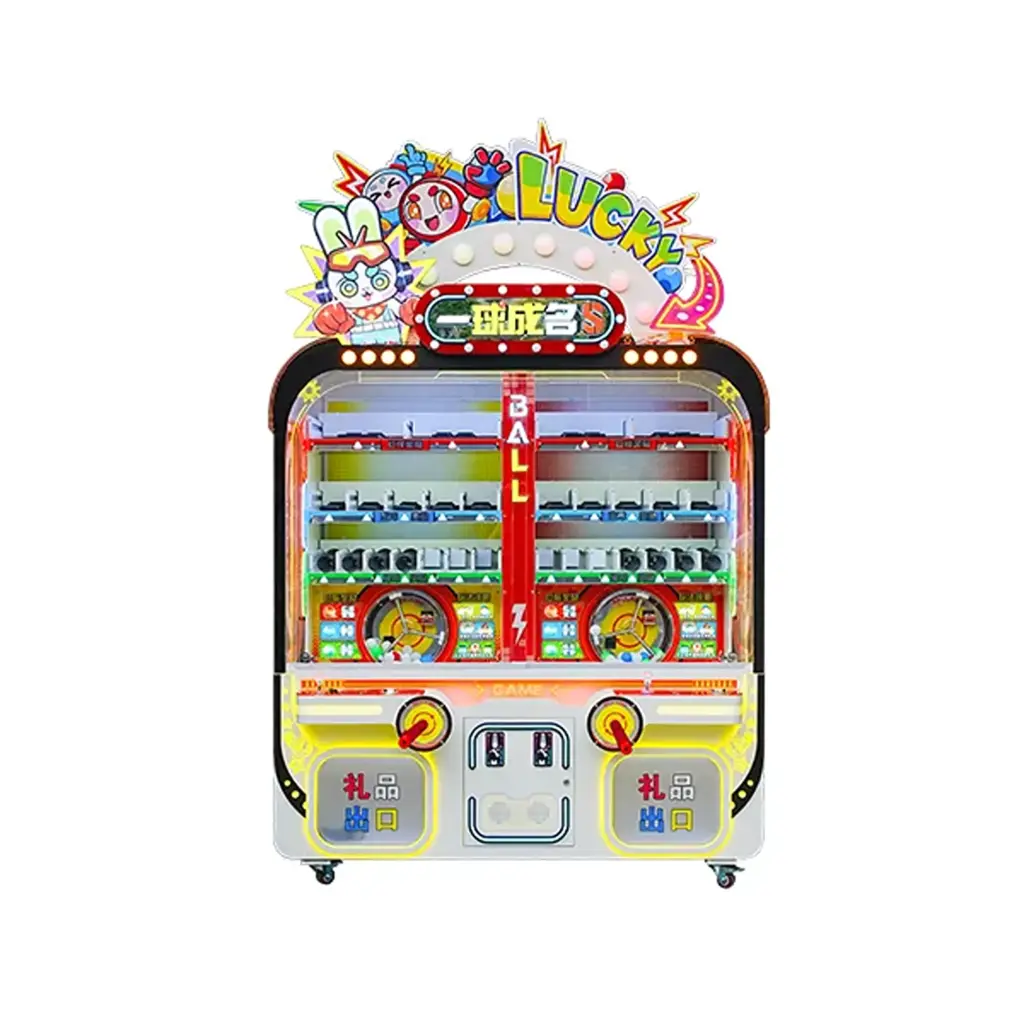
Using this macchina a premi buying guide can help operators better evaluate equipment options, understand key specifications, and avoid common issues associated with poor-quality hardware. Factors such as material selection, component reliability, and after-sales support all influence long-term operating costs.
This guide compares different types of prize machines, comprese le gru ad artiglio, ticket redemption systems, and automated prize dispensers. It covers common features, cost considerations, and selection factors to help operators choose equipment that matches their venue and business goals.
What Is a Prize Machine and How Does It Work?
Prize machines drive high-margin revenue by selling interactive play for premium physical rewards rather than guaranteeing a direct product sale like standard vending equipment.
Core Concept and Key Differences from Vending
What exactly makes a prize machine distinct from standard retail hardware? Traditional vending machines operate on a transaction of convenience, dispensing a specific product immediately upon payment. A prize machine instead leverages gamified interaction to drive transaction velocity, selling the entertainment-driven chance to secure high-value merchandise through a game of skill or luck.
- Interactive Gameplay: The system dispenses toys, novelties, or redemption tickets based on the direct outcome of a brief, timed game.
- Value Proposition: Unlike standard vending machines that guarantee a direct product purchase, these units sell the opportunity to win premium rewards through skill or chance.
- High-Traffic Placement: Operators deploy these systems in high-footfall venues, including family entertainment centers, centri commerciali, portici, and restaurants to capture spontaneous impulse play.
The Step-by-Step Operating Cycle
To provide a consistent user experience, a typical prize machine follows a series of automated steps during each play cycle, from payment confirmation to gameplay and prize dispensing.
- Attract Mode: High-brightness LED arrays, cabinet artwork, and prominently showcased top-tier prizes draw foot traffic from passersby.
- Credit Validation: Integrated payment systems process cash, gettoni, or digital contactless cards to register gameplay credits on the main circuit board.
- Active Gameplay: Players manipulate physical hardware like joysticks, pushbuttons, or touchscreens to complete a target task within a strict countdown timer.
- Drop Verification: Integrated optical sensors detect if an item breaks the light beam in the drop chute, logging a successful win and triggering the release of physical prizes or redemption tickets.
Primary Types of Physical Prize Machines
Different machine categories appeal to distinct player demographics and support varied pricing strategies. Choosing the right mechanism directly impacts your site’s average session length and profit margins.
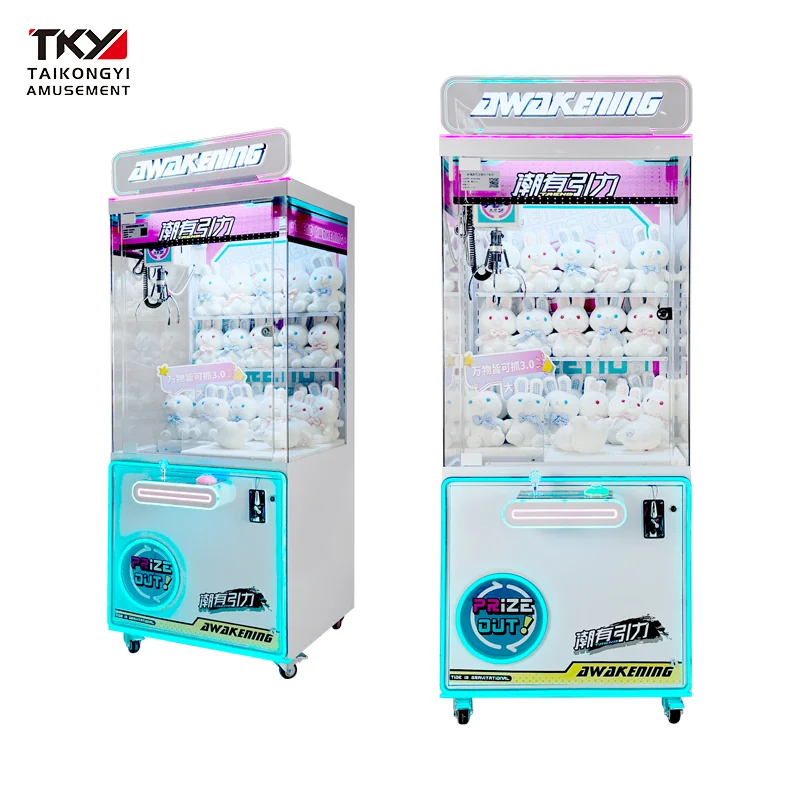
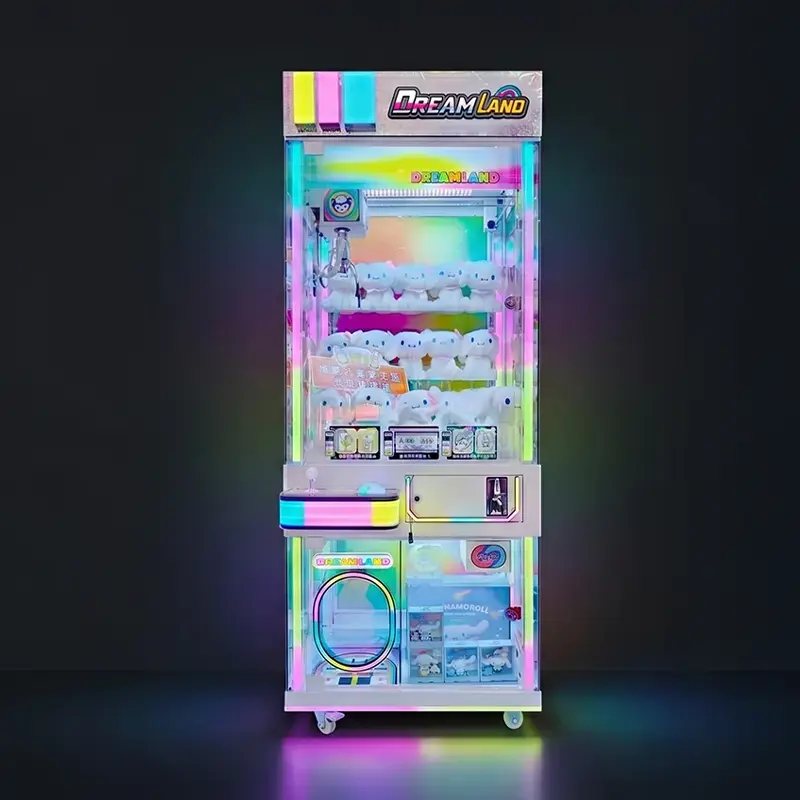
- Claw Cranes: These classic glass cabinets use a motorized 3-axis claw assembly to target plush toys, licensed collectibles, or boxed merchandise.
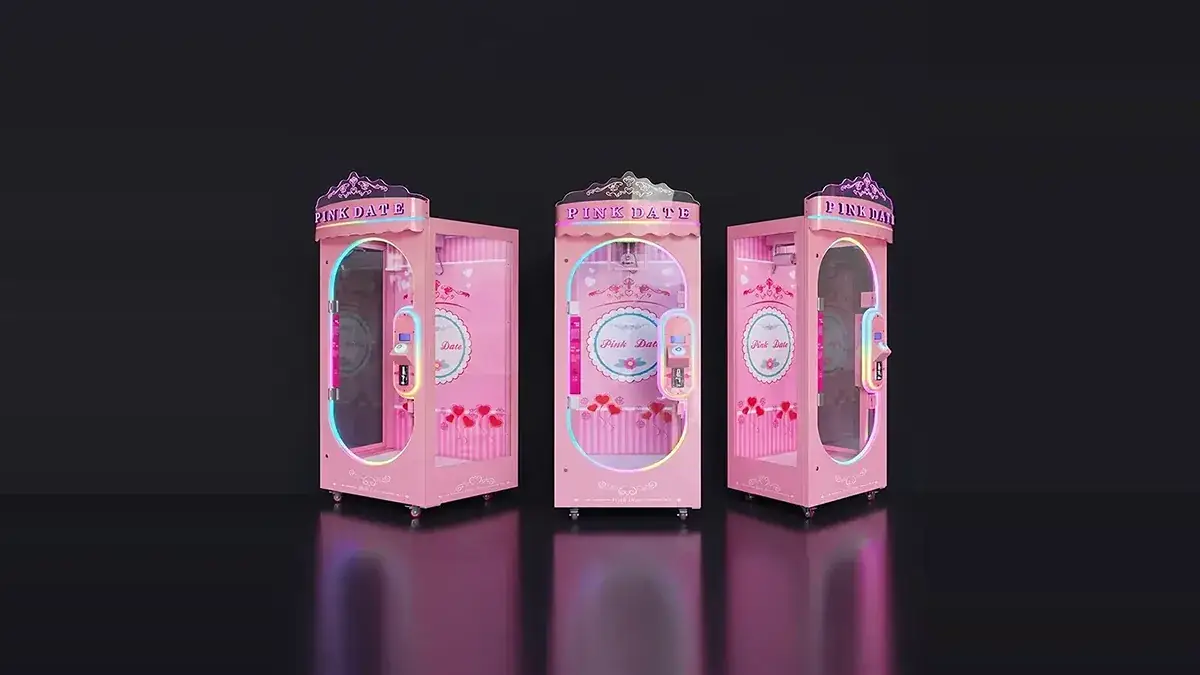
- Cut-to-Win Merchandisers: Players guide mechanical shears or blades to cut string or tags holding high-value consumer electronics or premium accessories.
- Spacciatori di monete: Motorized sliding platforms slowly push layered tokens and small prizes toward a drop ledge, offering high replay value for families.
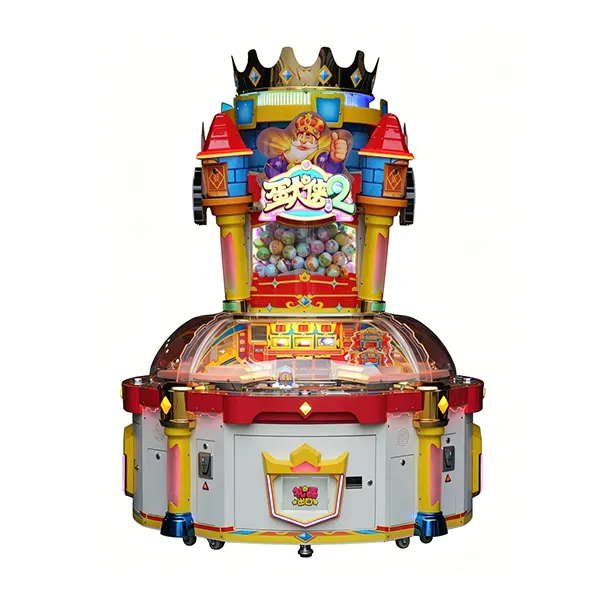
- Hybrid Capsule Vendors: These cabinets offer a low-cost capsule toy with every play, alongside a secondary skill challenge to win a high-tier incentive.
Internal Components and System Architecture
A look inside any commercial-grade machine reveals a complex network of electronics and high-durability hardware. These integrated systems work in tandem to guarantee uptime and physical security.
- Central Logic Board: An industrial circuito stampato runs embedded game logic, controls motor timing, and logs diagnostic codes.
- High-Torque Stepper Motors: Precision-driven motors coupled with heavy-duty drive belts translate user inputs into accurate claw or blade positioning.
- Telemetry-Enabled Payment Stack: Bill validators, multi-coin acceptors, and card readers process diverse payment channels and feed real-time credit signals to the CPU.
- Reinforced Chassis: Thick steel frames and lockable access panels shield high-value inventory and cash vaults from tampering and site wear.
Skill-to-Chance Ratios and Legal Classifications
The balance between player skill and chance-based elements can influence how a machine is operated, marketed, and classified under different regional regulations. Operators should align their selected hardware with local compliance frameworks to avoid licensing issues.
- Skill-With-Prize (SWP) Models: These devices rely purely on player timing, dexterity, and physical alignment to award prizes, helping operators satisfy legal rules in highly restrictive markets.
- Amusement-With-Prize (AWP) Models: These machines may include adjustable gameplay settings, such as claw strength or difficulty parameters, allowing operators to configure experiences based on venue requirements and local regulations.
- Regulatory Constraints: Regional gaming boards enforce statutory caps on maximum stakes per play, maximum retail prize values, and location permits.
Different Types of Prize Machines for Commercial Entertainment
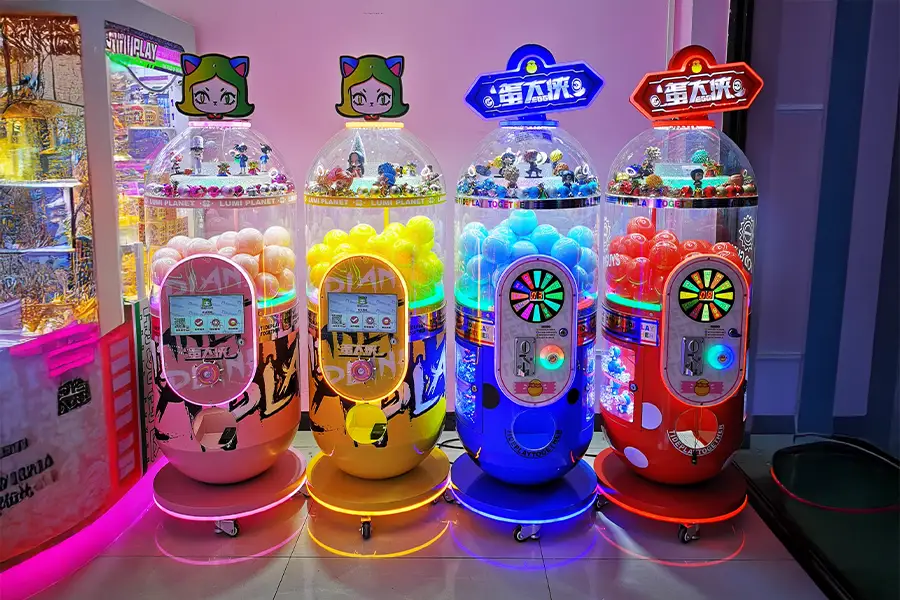
Deploying the right prize machines directly controls your venue’s margins and dwell times. This breakdown maps commercial formats to target demographics and footprints for maximum yield.
How do you choose between the different types of prize machines when mapping out a commercial entertainment floor? Selecting the wrong equipment leads to rapid player fatigue, high maintenance overhead, and flatlining revenue. Smart operators match the mechanical interface and prize value directly to their location’s foot traffic and demographic profile.
| Machine Type | Skill vs. Luck | Maintenance Level | Best Use Case |
|---|---|---|---|
| Claw / Crane Machines | Mixed (Skill-Influenced) | Medio | Centri commerciali, portici, high-visibility anchors |
| Ticket Redemption Games | Predominantly Skill | Medium to High | Centri di intrattenimento per famiglie (FEC) |
| Capsule / Gumball Dispensers | Mostly Luck | Very Low | Small retail, queue zones, esce |
| Prize Chute / Hub Dispensers | No Game (Guaranteed) | Moderate | Centralized automated redemption |
Claw, Crane, and High-Value Merchandisers
Claw and crane machines remain the visual anchors of commercial game zones. Their appeal relies on a simple mechanical test: players use joysticks to position a claw over a pile of stock, attempting to grab and drop an item into the chute. Operators configure claw voltage and grip settings to protect margins while keeping players engaged.
- Standard, Gigante, and Mini Cranes: These machines fit diverse footprints, from small restaurant entryways to double-player mall atrium models holding oversized plush toys or capsule items.
- High-Stakes Merchandisers: Platforms like KeyMaster and scissor-cut games require exact timing. Players attempt to fit a key into a slot or cut a string holding premium retail items.
- Secure Prize Lockers: Transparent gift cabinets and smart vending units showcase high-value goods, such as smartphones, designer sneakers, or tablets, behind locked, secure compartments.
Coin Pushers and Ticket Redemption Systems
Redemption hardware drives long session times by tapping into progression-based psychology. Instead of a single win-or-lose cycle, players accumulate smaller units of value—tokens or tickets—to trade for rewards at a central station. This structure encourages repeat play and extended visits.
- Classic Coin Pushers: These physics-based games use sliding shelves that slowly nudge coin piles and prize tokens toward the edge, rewarding players who time their drops carefully.
- Ticket Redemption Games: Skill-based mechanical and digital games reward performance with physical or paperless tickets, linking gameplay directly to the venue’s prize desk.
- Automated Redemption Kiosks: Self-service scanning counters read barcodes or RFID cards and count ticket balances, allowing guests to redeem prizes without high staffing costs.
Capsule, Gumball, and Automated Prize Vending Machines
If you want to minimize operational overhead, passive vending systems are the most practical option. They require no electronic calibration or gameplay logic, turning small floor areas into steady cash-flowing stations that run with minimal attention.
- Gashapon and Capsule Vending: These mechanical turn-key units distribute blind-box collectibles and figurines, maintaining high interest through mystery and set-completion dynamics.
- Gravity-Fed Gumball Dispensers: Low-cost, high-margin novelty setups placed in checkout lanes or exits capture impulse change from families.
- Smart Dispensing Hubs: These automated prize chutes act as secure standalone lockers, releasing high-value items instantly when scanned with a valid redemption receipt or card.
Hybrid and Interactive Prize Game Machines
Modern commercial entertainment increasingly blends physical targets with digital systems. Hybrid machines combine physical feedback with software that supports remote updates, telemetry tracking, and dynamic pricing configurations to maximize revenue during peak periods.
- Interactive Touchscreens: HD monitors and shooting-gallery targets run on dynamic software, allowing operators to change game logic, difficulty, and themes instantly.
- Digital-Physical Hybrids: Mechanical pinball systems and skill-stop setups blend traditional cabinet play with automated digital ticket dispensers.
- Promotional Spin-to-Win Wheels: Giant LED wheel games draw immediate crowds during retail events, brand activations, and shopping mall campaigns.
Strategic Venue Integration and Selection Criteria
Winning operators do not buy equipment at random; they design the floor layout to optimize traffic flow and player psychology. Proper placement ensures that walk-by traffic converts into immediate game plays, and players are naturally guided deeper into the venue’s profit zones.
Primo, align the hardware with your business objectives. High-stakes merchandisers belong in high-traffic shopping mall corridors to secure quick impulse plays. Ticket redemption systems require the larger footprint of an FEC, where guests stay longer to collect points for high-tier prizes.
Secondo, balance upfront capital expenditure against long-term operational costs. Low-cost capsule dispensers are cheap to buy and run but generate lower revenue per play. Premium interactive prize hubs require larger budgets and regular maintenance, but they deliver higher daily yields and support cashless card payments.
Finally, map the physical floor using clear visual layers. Place giant cranes and brightly lit key-cutter games as eye-catching anchors near entrances and main walkways to draw crowds. Distribute coin pushers and ticket redemption games deeper into the space to increase stay times, and position passive capsule and candy dispensers near exit queues and dining areas to capture final impulse sales.
Maximize Venue Profits with Skill-Based Games
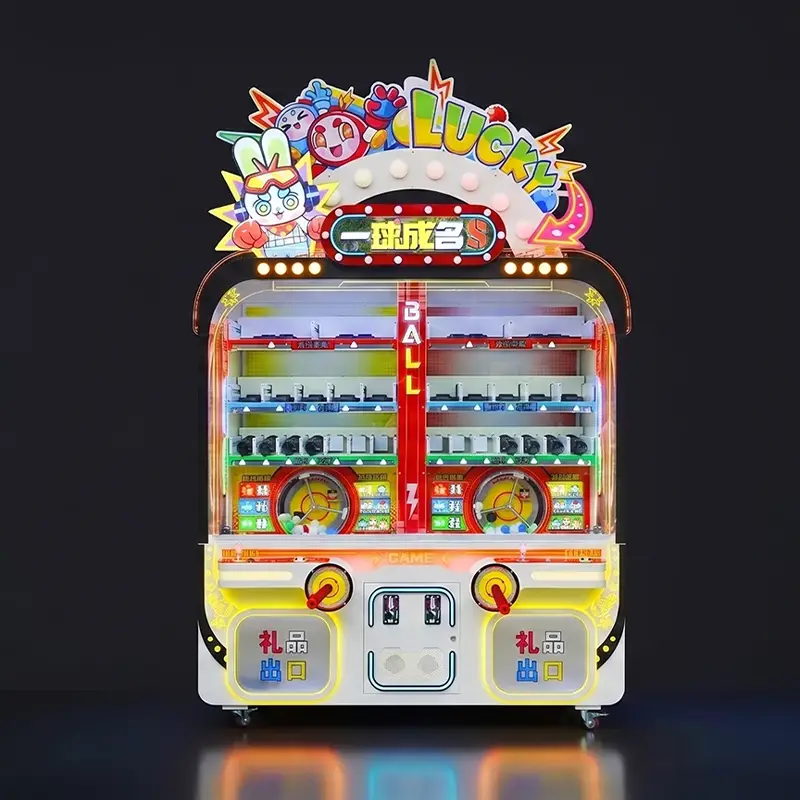
Key Features That Affect Prize Machine Performance
Durable mechanical builds, precise payout firmware, and secure multi-channel payment integrations collectively dictate real-world arcade profitability and minimize onsite technician hours.
When an active arcade floor experiences frequent cabinet downtime, identifying the technical variables that stabilize prize machine performance becomes a critical operational priority. Out-of-service tags directly drain daily revenue and alienate repeat players. Operators must evaluate specific core features to secure reliable returns on their hardware investments.
Mechanical Durability and Structural Integrity
Structural resilience determines whether a cabinet survives a high-volume weekend or ends up requiring urgent technician dispatch. Low-grade physical components lead to premature alignment drift and sensor failures under heavy usage.
- High-durability motors: Commercial-grade motors and gears designed for repeated operation help improve mechanical stability and reduce maintenance frequency.
- Dual-servo control systems: Specialized dual-servo systems provide precise calibration to ensure exact claw and pusher movement.
- Rigid cabinet enclosures: Robust steel or thick ABS cabinets paired with built-in security sensors prevent physical damage and inventory loss.
Selecting machines with rugged steel frames keeps play responsive, ensuring players remain engaged instead of frustrated by jerky or inaccurate movement.
Payout Logic, Grip Strength, and Win Cycles
Balancing operator margins with player satisfaction requires precise control over physical grasping dynamics and internal logic. Inconsistent grip settings can quickly ruin a machine’s local reputation.
- Dual-strength claw profiles: Adjustable voltage parameters regulate grip power during lift and transport phases to manage difficulty.
- Firmware payout logic: Software settings allow operators to adjust gameplay parameters, difficulty levels, and machine behavior based on venue requirements.
- Tension calibration: Regular tension checks prevent mechanical drift and maintain alignment with target payout percentages.
Biweekly calibration routines help keep claw tension and gameplay settings consistent, supporting reliable machine performance and a stable player experience.
Prize Compatibility and Dispensing Mechanisms
A mismatch between physical prize dimensions and the dispensing chute is a primary cause of costly system jams. Operators must match their physical inventory directly with the mechanical capabilities of the machine.
- Physical boundaries: Predefined size and weight limits ensure the physical stock matches the capability of the claw or pusher arm.
- Sloped floor design: A properly designed prize bin helps guide items toward the dispensing chute and reduces the risk of blockages during operation.
- Single-release architecture: Dedicated single-release dispensing designs prevent coin, ticket, or physical prize jams during payout sequences.
Structuring the product mix within specified dimensions avoids physical blockages and protects the dispensing motor from unnecessary strain.
Integrazione dei pagamenti, Telemetria, and Revenue Control
Modern revenue capture relies on frictionless transactions and instant operational visibility. Upgrading card and data systems directly drives higher plays per hour.
- Multi-channel payment options: Integrated systems for mobile tap, passaggi di carte, and venue card readers increase overall play frequency.
- Networked telemetry systems: Cloud-connected modules provide real-time updates on transaction counts, stock levels, and device errors.
- Flexible configuration: Easy software setups allow remote changes to play pricing and activation modes during off-peak hours.
Using remote diagnostics helps route managers plan maintenance and restocking trips efficiently, reducing fuel costs and vehicle wear.
Energy Efficiency, Manutenzione, and Compliance
Long-term cost of ownership depends on daily utility draw, service panel accessibility, and electrical standards compliance. Efficient designs lower monthly utility bills and simplify routine cleaning chores.
- Efficient lighting: High-efficiency LED lighting and low-power standby modes reduce daily operational electricity costs.
- Modular maintenance layouts: Accessible service panels simplify cleaning intervals for optical sensors and payment gates.
- Electrical compliance: Regional certifications like CE and UL listing verify compliance with local safety and electrical requirements.
Standardized modular components and verified safety ratings protect your venue from liability while ensuring fast, tool-free repairs during peak business hours.
How do commercial venues turn idle floor space into predictable high-margin revenue? Integrating a strategic prize claw machine setup is often the most direct answer, converting passive foot traffic into active play sessions without demanding heavy on-site labor.
Prize Machine Applications in Arcades and Retail Locations
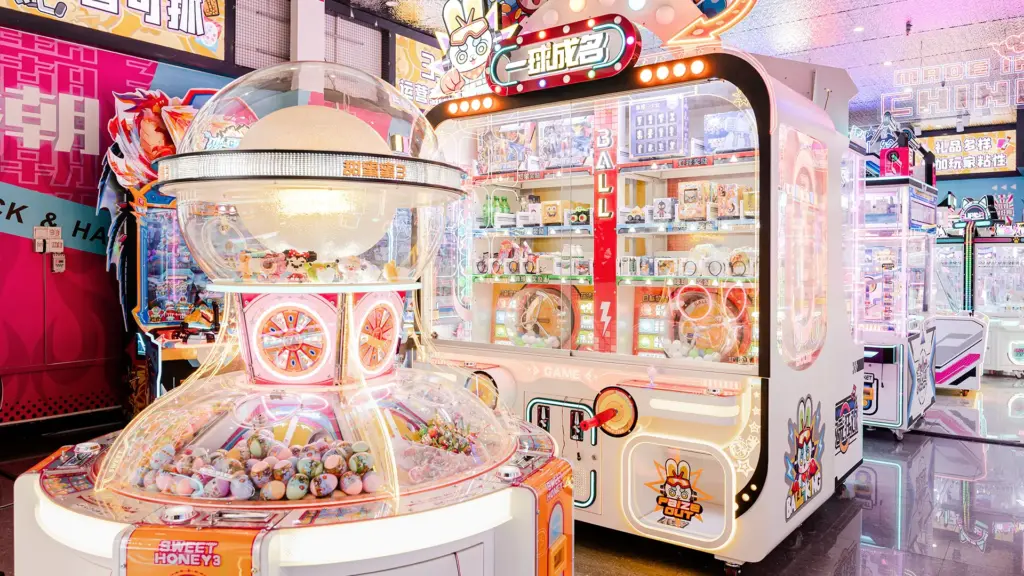
Optimizing machine placement, impostazioni di gioco, and payment options can help venues improve player engagement and create a more efficient operating model.
Strategic Deployment and Layout in Modern Arcades
Traditional arcade designs rely on thoughtful layout planning to improve visitor flow and encourage longer engagement. Placing claw cabinets and merchandisers in visible areas can help attract attention and increase interaction opportunities.
- Centralized Prize Islands: Creating visually distinct zones controls player traffic and extends dwell time across the floor.
- Cabinet Dispersion: Spreading out high-value prize lockers and mixing popular games with less active units prevents bottleneck congestion in high-traffic corridors.
- Redemption Integration: Linking ticket redemption kiosks directly with centralized card systems builds a seamless self-service ecosystem.
Foot-Traffic Monetization in Retail Environments
Non-arcade venues often struggle to monetize square footage in dead zones. Placing amusement machines in transitional spaces converts passive waiting time into active impulse purchases.
- High-Traffic Zones: Mall corridors, supermarket lobbies, and restaurant waiting areas represent prime targets for capturing parent and child attention.
- Low-Overhead Systems: Deploying compact capsule dispensers and simple claw setups minimizes the operational demand on store staff.
- Visual Branding: Customized cabinet wraps and themed LED lighting sequences catch the eye of passersby, driving high-frequency impulse plays.
Operational Economics and Payout Optimization
The profitability of an amusement route relies on continuous monitoring of operational metrics. Operators must establish a strict balance between player satisfaction and product cost to sustain healthy returns.
- Margin Calibration: Adjusting win difficulty and ticket-to-prize values ensures the machine maintains its target operating margins.
- Data Analysis: Reviewing hourly play counts and revenue per machine guides decisions on when to rotate or relocate cabinets.
- Inventory Security: Sicuro, modular display bays protect high-value stock from shrinkage while keeping the products highly visible.
Technological Advancements and Smart Fleet Management
Modern fleet management has shifted from manual checks to automated, data-driven oversight. Integrating smart hardware allows operators to run large routes with minimal labor overhead.
- Real-Time Analytics: Centralized mobile portals track play data instantly, enabling remote, dynamic adjustments to difficulty settings.
- Cashless Payments: Installing tap-to-pay, QR-code readers, and mobile wallets expands accessibility and lowers cash-handling security risks.
- Predictive Maintenance: Telemetry tools flag anomalous component wear or sensor drifts, allowing technicians to schedule service before a breakdown occurs.
Amusement Licensing and Regulatory Compliance
Navigating regional legal frameworks is mandatory before committing capital to a new site. Regulatory classifications dictate what machines can be deployed and where.
- Stakes and Values: Operators must configure pricing and prize values to strictly match local amusement laws.
- Age Segregation: High-stakes gaming systems must remain physically separate from family-friendly toy claw zones to comply with access regulations.
- Skill vs. Chance: Selecting machines configured with genuine skill challenges rather than purely random payouts often simplifies local licensing requirements.
Customization Options for Prize Machines
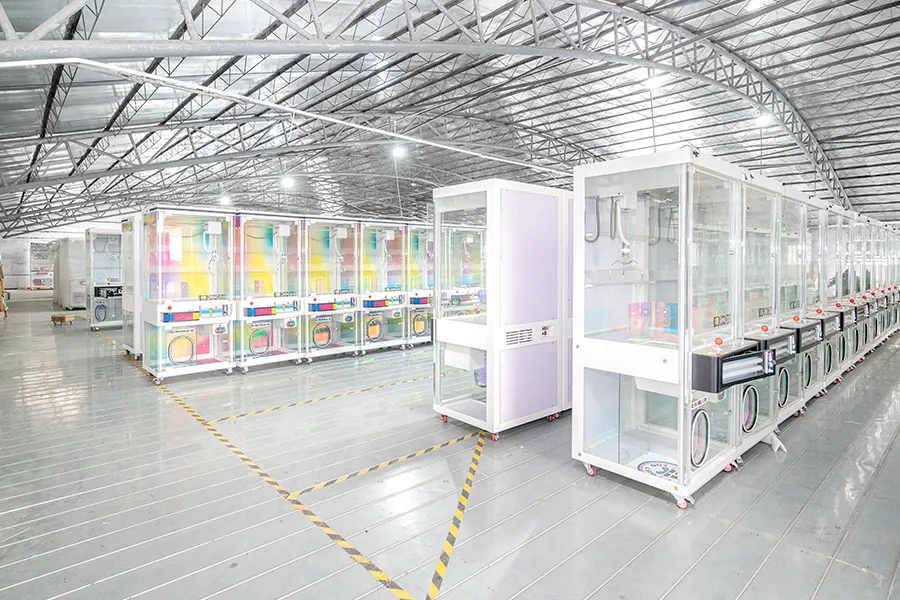
Tailoring your machines directly impacts profitability, allowing you to match local demographics, increase dwell times, and protect margins through precise visual and technical calibration.
Are you struggling to capture foot traffic or maintain stable margins in your venue? Selecting the right customization options for prize machines directly resolves these challenges, transforming standard hardware into high-yield, brand-specific assets.
Visual Branding and Cabinet Aesthetics
Visual presentation dictates your player capture rate on a crowded floor. Custom aesthetics allow operators to align hardware with venue themes, retail interiors, or temporary promotional campaigns.
- Bespoke Cabinetry: Exterior vinyl wraps, custom color matching, and printed logos designed to match specific venue layouts or corporate colors.
- High-Visibility Accents: LED lighting configurations, neon borders, and illuminated panels that make machines pop even in dimly lit entertainment centers.
- Modular Graphics: Interchangeable graphic panels that simplify temporary promotional updates without requiring full cabinet replacements.
These visual upgrades turn a standard cabinet into an interactive marketing tool that draws immediate player interest.
Gameplay and Functional Settings
Functional flexibility allows operators to adjust the machine for different prize categories and gameplay requirements. Fine-tuning these internal settings helps maintain consistent gameplay and manage operating costs.
- Payout Controls: Adjustable difficulty rules, claw strength settings, and win probability setups designed to protect operational profit margins.
- Adaptable Merchandising: Modifiable prize bins and adjustable product shelves that allow rapid transitions between small plush toys and high-value electronics.
- Alternative Play Modes: Play-until-win logic, bonus rounds, and customized timed challenges to vary user engagement.
Operators can easily pivot their strategy from low-cost bulk novelties to premium electronics without purchasing new equipment.
Payment Systems and Access Control
Frictionless transactions are critical for converting passing foot traffic into active players. Modernizing access control expands your target demographic and drives repeat play.
- Multi-Channel Hardware: Physical configurations supporting local coins, validatori di banconote, and contactless credit card readers.
- Digital Integrations: QR code scanning, mobile NFC systems, and RFID-based venue membership cards.
- Custom Tokens: Branded physical tokens that support marketing activations, trade show events, and venue-specific promotions.
Integrating cashless hardware reduces cash-handling labor and automates revenue accounting across your entire fleet.
Software and Remote Management Features
Remote monitoring tools reduce manual audit hours and keep machines online. Software customization turns standard amusement devices into intelligent data collectors.
- Multi-Language Interfaces: Digital user interfaces that configure easily to serve international locations or diverse player groups.
- Cloud Telemetry: Real-time monitoring systems that track machine usage and performance while allowing operators to check status and adjust selected settings remotely.
- Interactive Software Logic: Touchscreen menus built to collect promotional lead data or support localized loyalty programs.
Aligning these digital features with your venue goals ensures the equipment performs reliably while keeping players engaged session after session.
Domande frequenti
What is a prize machine?
A prize machine is a coin, bill, or card-operated amusement device where players participate in a brief interactive game to win physical items directly. These devices use controlled mechanical or electronic systems—such as claws, pushers, keys, or scissors—to distribute tangible goods like plush toys, capsule collectibles, electronics, or candy instead of just tickets or points.
How does an arcade prize machine work?
After registering payment, the central logic board activates the controls and starts a game timer. Players interact with a mechanical system, such as aligning a key or positioning a claw. The machine processes the action using pre-programmed difficulty levels, mechanical adjustments (like claw grip strength), or random number generators (RNG) to determine the outcome. If successful, sensors detect the item as it falls into the delivery chute.
How much does a commercial prize machine cost?
Commercial prize machines are available in a wide range of configurations, from basic crane machines to larger interactive and multi-player systems. Equipment costs are influenced by factors such as machine size, game features, sistemi di pagamento, cabinet design, and customization requirements. When planning a purchase, operators should also consider branding, spedizione, installazione, and initial prize inventory to estimate the total investment required for deployment.
Are prize machines profitable to operate?
SÌ. Prize machines can generate attractive returns when installed in suitable commercial locations with steady customer traffic. Operators often improve performance by selecting appealing prizes, controlling prize costs, and configuring gameplay settings that encourage repeat play while maintaining an enjoyable player experience.
What kinds of prizes can be used in these machines?
Operators use a wide variety of merchandise divided into cash-equivalent and non-money rewards. Common choices include physical plush toys, licensed character collectibles, giocattoli in capsule, novelty trinkets, small electronics (like earbuds or phone accessories), caramella, cartoleria, e articoli premium (such as tablets or smartwatches) for high-tier game lockers. The key is to match the prize dimensions and weight with the machine’s mechanical limits, like selecting specific plush sizes for standard versus jumbo claws.
What is the difference between a standard prize machine and a claw machine?
A claw machine is a specific type of prize machine that uses a physical three-axis motorized claw to grab and carry merchandise. In contrast, “macchina a premi” is an umbrella industry category that encompasses claw machines alongside other formats like prize pushers, capsule vending devices, string-cutting scissor machines, and key-alignment locker games.
Where is the best place to buy commercial-grade prize machines?
Buyers can source machines through factory-direct manufacturers (like TKY Amusement, Marwey Arcade, or SpeedFunTech) for wholesale rates and customization, regional distributors (like Royal Vending in Australia or ClawMachines.com in the US) for localized delivery and maintenance support, or B2B online directories (such as Made-in-China) to evaluate multiple OEM configurations.
How do I choose a reliable prize machine supplier?
Evaluate suppliers based on their local spare parts availability, technical support response times, warranty details, and market compliance certifications (like CE or RoHS). Avoid suppliers that pressure you into wire transfers without buyer protection, omit detailed product specifications, or fail to provide a written service level agreement for critical components like motors, logic boards, and payment systems.
Can prize machines be customized for branding or events?
SÌ, manufacturers offer extensive visual and functional customization. Visual changes include custom vinyl cabinet wraps, logo decals, custom lighting configurations, and branded headers. Functional adjustments include modified payment modules (coins, gettoni, cashless, or free-play modes for events), adjustable claw strengths, distinct game modes, and custom prize compartment sizes.
What kind of routine maintenance does a prize machine require?
Machines require a structured schedule to prevent downtime. Daily tasks include wiping down touch surfaces and checking controls. Weekly steps involve checking mechanism alignments and testing payment inputs. Monthly maintenance requires deep cleaning the cabinet interior, lubricating rails and gears, and recalibrating drop sensors. High-wear items like springs, belts, or light bulbs should be checked regularly and replaced before they fail.
Considerazioni finali
While lower-cost equipment may reduce initial investment, working with prize claw machine manufacturers that follow consistent production processes, quality inspections, and reliable component standards can help reduce operational issues over time.
Low-grade components quickly turn into broken gantries and out-of-service signs during your highest-traffic weekend hours. Choosing robust physical builds and precise calibration logic ensures your venue secures reliable, automated revenue for years to come.
We recommend requesting our updated technical catalog to compare cabinet dimensions and review customizable OEM specifications. You can also collaborate directly with our engineering team to draft a custom spatial layout optimized for your specific venue traffic. Contact our B2B project division to discuss your scaling requirements and secure a detailed hardware quotation.