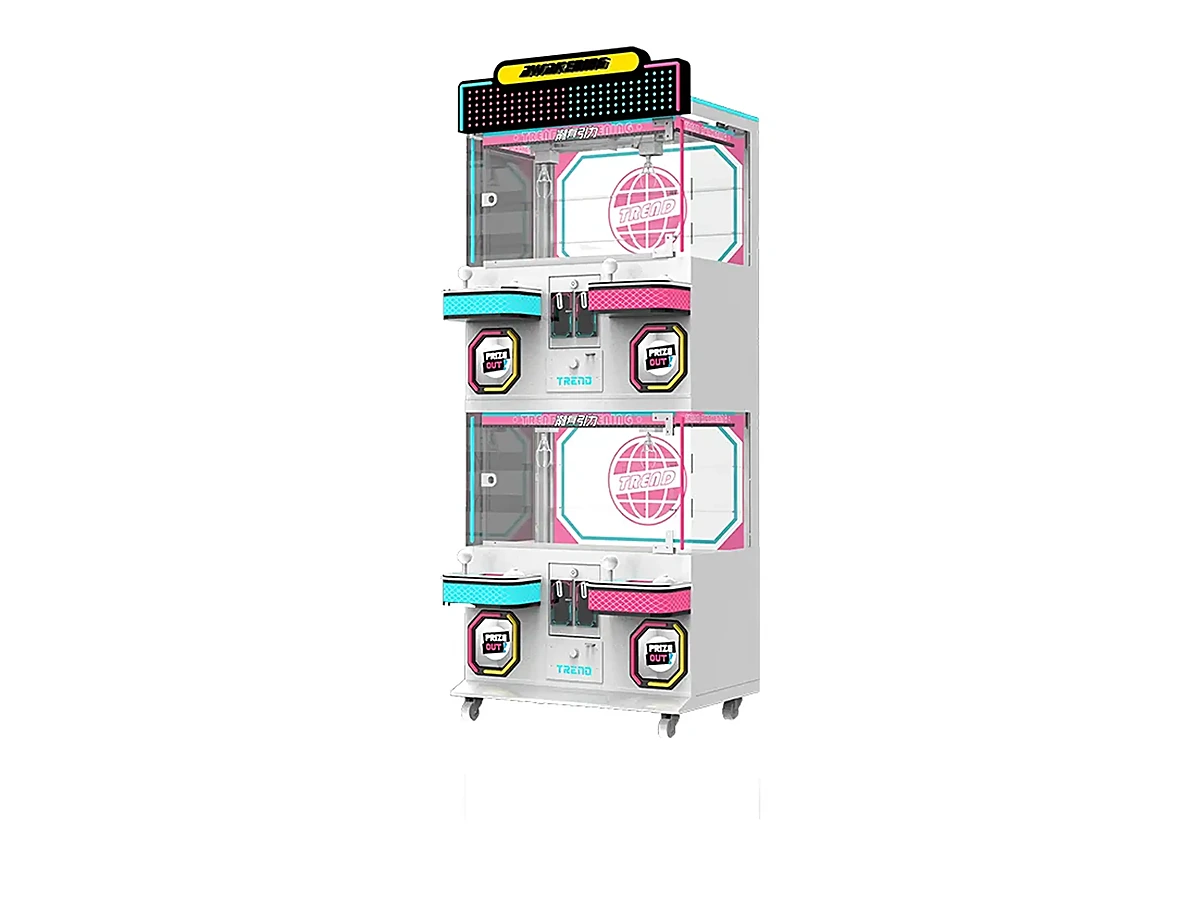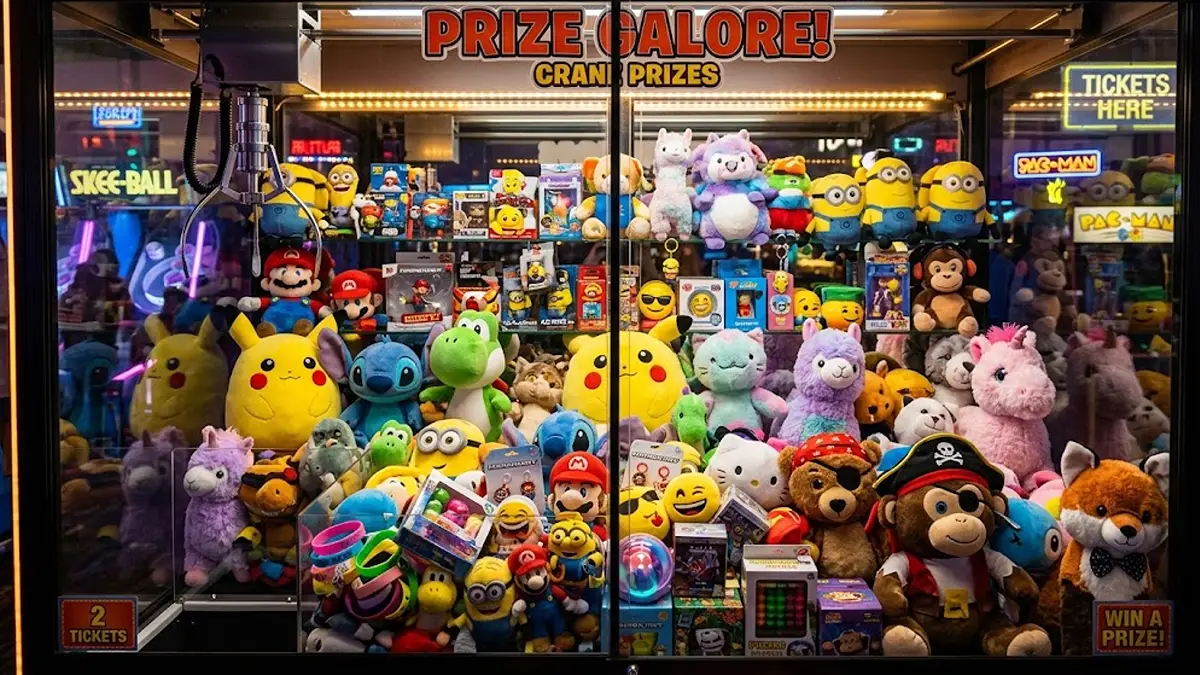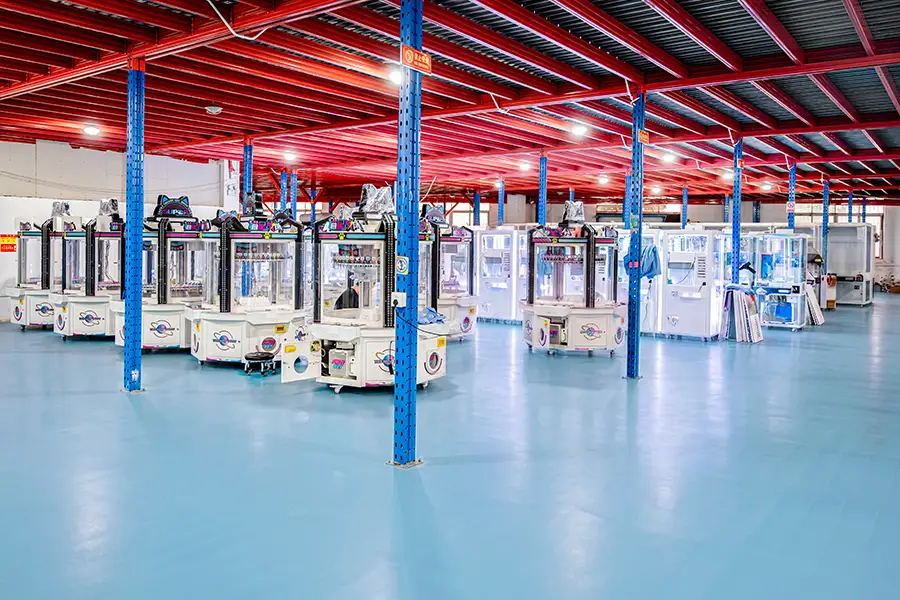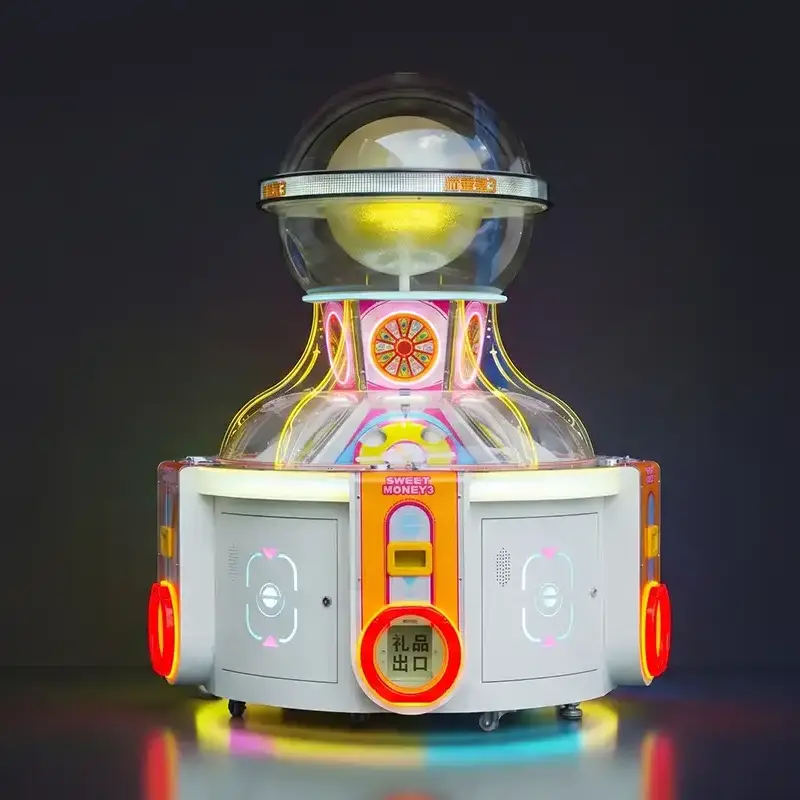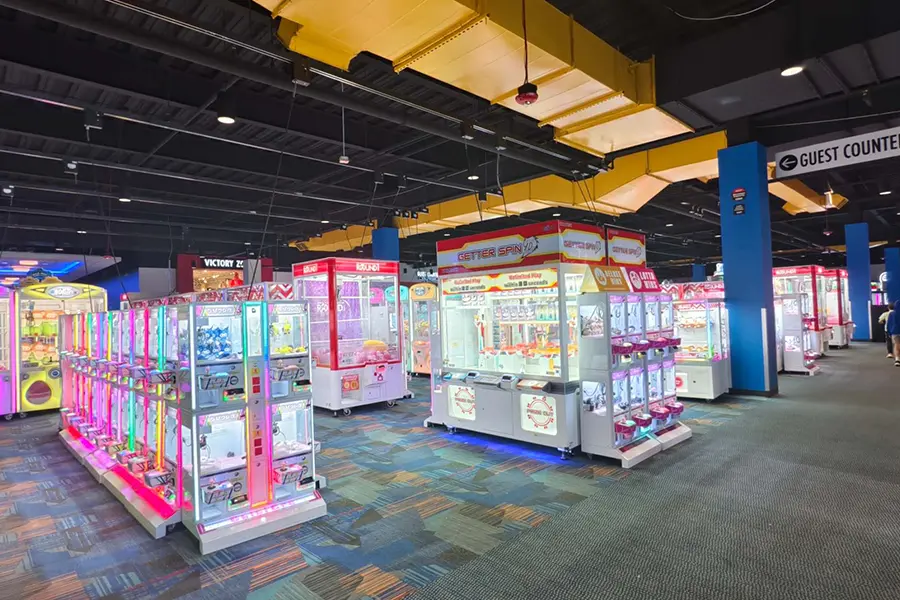
New and used ကုတ်ခြစ်စက်များ differ in purchase price, equipment condition, အာမခံ အကျုံးဝင်သည်။, နှင့် စိတ်ကြိုက်ရွေးချယ်စရာများ. While used machines generally have lower upfront costs, their remaining service life and maintenance requirements can affect the total investment.
New machines offer factory support, consistent specifications, and more customization options. Comparing these factors helps arcade operators and distributors assess which option better fits their budget and operating plans.
What Are the Main Differences Between New and Used Claw Machines?
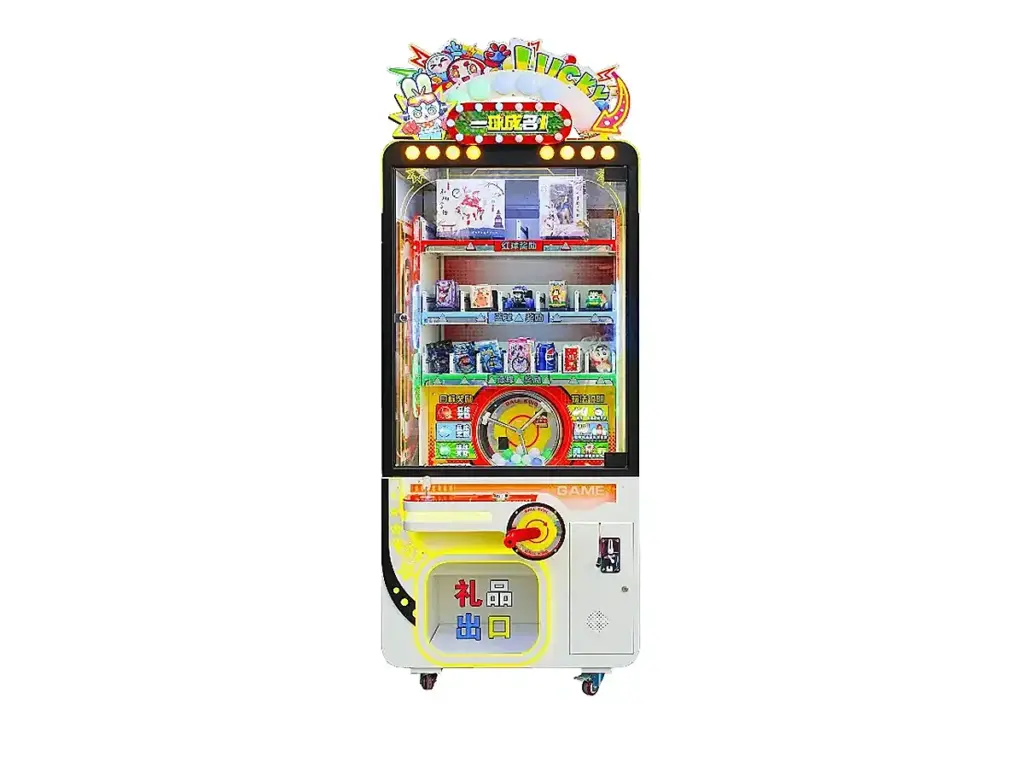
Used machines come with an existing service history, while new machines start with no previous operating record.
Equipment Condition and Appearance
A new cabinet arrives with factory paint, clear panels, and unworn controls, so it starts its venue life looking like the showroom unit. A used cabinet carries whatever its previous venue left behind: scuffed panels, dulled glass, and button panels polished by years of play. Appearance does not stop revenue by itself, but it shapes the first impression players form at the glass.
Hardware and Electronic Components
New machines carry current-generation claw assemblies, မော်တာများ, နှင့် ထိန်းချုပ်ဘုတ်များ, with parts that have their full service life ahead of them. Used machines carry parts that have already consumed an unknown share of that life.
Claw cables, coils, and joystick switches are wear items, and their remaining service life is an important consideration when purchasing used equipment.
Available Features and Game Functions
Feature sets track the age of the electronics. New cabinets ship with current game modes, ငွေပေးချေမှုရွေးချယ်စရာများ, and lighting programs, and their settings menus are documented. Older used units may run earlier board versions with fewer modes, weaker display options, and payment hardware designed for a previous market’s habits.
Customization Options
New machines open the full customization catalog, from panel artwork to cabinet colors, game logic, and payment hardware. A used machine is customizable only as far as its existing cabinet allows, since tooling-based changes assume a production line. For venues that need branded machines, that difference is often decisive.
How Do New and Used Claw Machines Compare in Initial Cost?
The purchase price is only the starting point, as additional expenses also affect the total cost.
Purchase Price Differences
Used machines generally have lower listed prices than comparable new units, although the actual difference depends on their condition and specifications.
The gap reflects consumed service life, and it moves with condition rather than specification. A claw machine is worth what its condition, specification, and remaining service life support, which used buyers confirm through inspection rather than listing price.
Shipping and Installation Expenses
New machines ship in factory packaging designed for export. Used machines may arrive with less protective packaging, depending on how the seller prepares them for transport. In some cases, additional packing materials or repacking may be needed before shipping, adding to the preparation costs.
Refurbishment and Replacement Costs
Used machines may require additional refurbishment costs that buyers have not included in their budgets, such as replacing claw cables, joystick switches, coin mechanisms, or damaged glass.
Each replaced part narrows the price advantage over buying new. Commercial equipment also loses value over its working life the same way in both paths, and that depreciation continues from the day the machine reaches the venue.
Bulk Purchasing Considerations
Fleet orders change the math. New machines scale more consistently because factories can repeat the same specifications across an order, with matched parts and packaging.
Used fleets often contain machines with different specifications, making maintenance and spare parts management more complicated than with standardized new equipment. As order quantities increase, these differences can make new machines a more practical option for operators managing multiple units.
What Are the Maintenance and Reliability Differences?
Equipment reliability directly affects maintenance costs and long-term operating expenses.
Wear on Motors and Claw Mechanisms
Motors and claw mechanisms wear with every cycle, and a used machine brings an unknown cycle count with it. Common issues with claw machines are worn claw cables, tired motors, sticky coin mechanisms, and control boards that drift out of adjustment. On a new machine those items start from zero, and the first replacements arrive on a schedule the operator controls. To plan that upkeep, read our guide on Arcade စက်များကို ထိန်းသိမ်းနည်းနှင့် လည်ပတ်မှုကုန်ကျစရိတ်များကို လျှော့ချနည်း.
Control Board and Electrical System Condition
Electronics age in less visible ways than mechanics. Solder joints, connectors, and power supplies on a used board have survived years of heat cycles, and their failures tend to appear without warning.
New boards generally feature current design revisions and factory-installed wiring, while older used systems may require additional electrical inspections and maintenance.
Spare Parts Availability
Parts supply follows the machine’s origin. Current models have factory part numbers, stocked components, and documentation, while discontinued used models may depend on salvaged parts or generic substitutes.
Before buying any used unit, buyers should confirm that someone can still supply the parts its future will need.
Warranty and Technical Support
New machines come with a manufacturer warranty and a technical support channel, which turns surprise failures into covered repairs.
Used machines are sold as-is in most cases, and the seller’s help ends at handover. For an operator running machines every day, that support difference is part of the price gap, not a detail of it.
| Aspect | New Claw Machines | ကုတ်ခြစ်စက်များကို အသုံးပြုထားသည်။ |
|---|---|---|
| Purchase price | Factory quote per specification | Lower sticker price, condition-dependent |
| Equipment condition | Factory build with full part life | Wear varies with service history |
| Warranty and support | Manufacturer warranty and parts | Usually none beyond the seller |
| စိတ်ကြိုက်လုပ်ပါ။ | Full range from the factory | Limited to the existing cabinet |
| Best fit | Long-term venues and fleets | Tight budgets and short runs |
Compare the Used Market Against New Factory Pricing
When Does Buying a New Claw Machine Make More Sense?
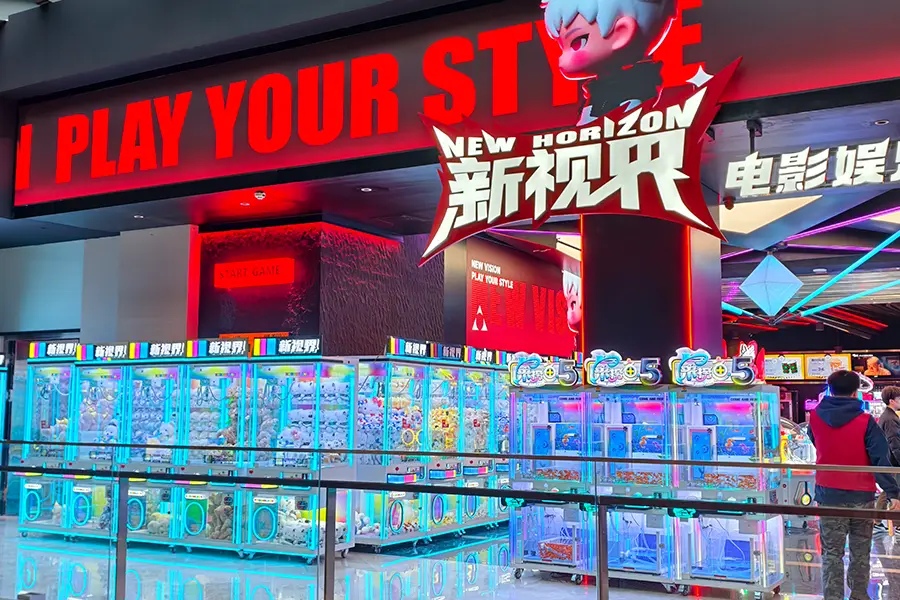
New machines earn their premium wherever consistency carries the revenue.
New Arcade Locations and Large Equipment Orders
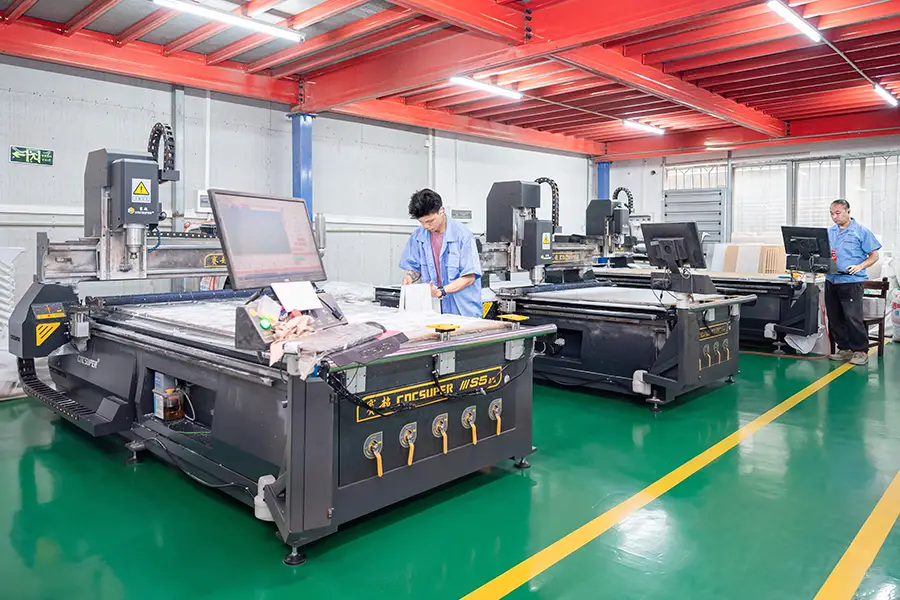
A new location lives or falls on the opening experience, and matched machines are part of it. Factory orders deliver uniform cabinets with aligned specifications, which simplifies installation, prize planning, and staff training. For large orders the factory can also stage production and packaging so the fleet arrives as one coordinated shipment.
Venues Requiring Custom Branding
Branding projects need the factory, because panel artwork, အရောင်များ, and software are production decisions rather than shop-floor upgrades.
A new order carries the venue’s identity from the first unit, while used machines force the branding to stop at whatever vinyl can cover. ဈေးဆိုင်များ, chains, and event operators usually sit in this group.
Businesses Planning Long-Term Operations
Long operating horizons favor new machines because the cost curve is flatter. The venue pays more up front and then runs a machine whose major parts are new, whose warranty covers early failures, and whose parts are stocked.
Claw machines make money when prize cost, စျေးနှုန်းကစား, and machine uptime are managed together, which is why equipment condition carries revenue weight. A claw machine is a good investment when the venue matches the machine to traffic and prize strategy, and the operator plans for parts and upkeep from the start.
Buyers Needing Consistent Equipment Specifications
Consistency matters once machines multiply. Identical boards, ခြေသည်းများ, and payment hardware mean one spare parts plan, one maintenance routine, and one training path for staff. Buyers running multi-venue programs or distribution stock almost always land on the new side for that reason alone.
When Can Used Claw Machines Be a Practical Option?
Used machines work when the buyer controls the risks that come with them.
Businesses With Limited Initial Budgets
A tight budget can favor the used market, because the same capital places more machines on the floor. That trade only works when the saving survives contact with reality, meaning the machines pass inspection and the refurbishment budget stays honest.
Arcade machines are purchased new from manufacturers and used from resellers, auctions, or closing venues, and each channel carries different risks and support.
Temporary Events and Short-Term Operations
Seasonal venues, exhibitions, and short-run promotions rarely justify factory-new equipment. A used machine that plays reliably for the event window delivers the revenue the project needs, and its shorter remaining life does no damage to a plan that ends on schedule. The operator should still budget for transport and setup either way.
Buyers With Access to Local Repair Services
Used machines suit buyers who can service what they buy. Local technicians who know arcade electronics shorten the downtime that factory support would normally absorb, and they can substitute parts when originals are gone. Without that safety net, the used path transfers every fault directly onto the operator.
Machines With Verified Service Histories
The best used purchases come with paperwork. Maintenance logs, part replacement records, and a seller who can name the machine’s history convert the used price into a fair deal. For the supplier-side equivalent of that trust check, see our article on ယုံကြည်စိတ်ချရသော Arcade စက်ပစ္စည်းထုတ်လုပ်သူအား မည်သို့ရွေးချယ်မည်နည်း။.
What Should Buyers Inspect Before Purchasing New Claw Machines?
Before purchasing new claw machines, buyers should check the cabinet construction, operating functions, and final order specifications. These checks help confirm that the machines meet business requirements before shipment, especially for customized and bulk orders.
Cabinet Quality and Customization
The cabinet should match the approved design and be suitable for the intended venue. Buyers should check:
- Construction: Inspect the frame, glass panels, doors, and joints for visible defects or loose parts.
- Appearance: Confirm that the paint, အလင်းရောင်, artwork, and logo placement match the approved design.
- Dimensions: Verify the cabinet size and layout to ensure the machines fit the planned location.
- Bulk order consistency: Check that colors, အတိုင်းအတာများ, and exterior finishes are consistent across the order.
Claw Movement and Game Functions
Testing the machine helps identify operational issues before delivery. Buyers should check:
- Claw movement: Confirm smooth horizontal and vertical travel without stalling or unusual noise.
- Grip performance: Test the claw with suitable prizes to check lifting and gripping functions.
- Control system: Make sure the buttons, ဆက်တင်များ, ပြသခြင်း။, and lighting work correctly.
- Payment functions: Test the selected coin, ဘေလ်, or card payment system and confirm that credits register properly.
Factory Testing and Pre-Shipment Inspection
ပို့ဆောင်ခြင်းမပြုမီ, buyers should confirm that the finished machines match the order and have passed functional testing. Important checks include:
- Specification review: Compare the finished machine with the agreed dimensions, features, and customization details.
- Operational testing: Request photos or videos showing the claw, ထိန်းချုပ်မှုများ, အလင်းရောင်, and payment functions in operation.
- Quality inspection: Ask about available inspection records and how any identified defects will be addressed.
- Shipping preparation: Confirm that the machines are securely packed to protect the cabinet and internal components during transport.
For additional inspection tips, see How to Check Claw Machine Quality.
Frequently Asked Questions About New and Used Claw Machines
Is a claw machine a good investment?
A claw machine can be a worthwhile investment when its location, ပစ်မှတ်ပရိသတ်, and prize selection support consistent play. Operators should also account for equipment costs, ထိန်းသိမ်းမှု, ဆုကြေးငွေ, and downtime when estimating potential returns. New and used machines should be evaluated based on their condition, expected service life, and total operating costs.
What are some common issues with claw machines?
Common claw machine issues include worn cables, faulty motors, coin or payment mechanism problems, and control board malfunctions. These faults can affect claw movement, prize retrieval, and machine availability. Buyers considering used machines should test the main functions and inspect key components before purchasing.
Do claw machines actually make money?
Claw machines can generate revenue when play volume and pricing cover prize expenses, operating costs, and equipment maintenance. Actual profitability depends on location, customer demand, ဆုကြေးငွေ, and how often the machine remains operational. Regular maintenance can help reduce downtime and unexpected repair expenses.
How much is a claw machine worth?
A claw machine’s value depends on its age, အခြေအနေ, specifications, brand, and remaining service life. Used machines may have lower asking prices, but worn components or outdated payment systems can increase future expenses. Buyers should inspect the equipment and compare repair needs before deciding whether the price represents good value.
How much does it cost to run an arcade?
Arcade operating costs typically include rent, electricity, ဝန်ထမ်း, ဆုများ, equipment purchases, and maintenance. Total expenses depend on the venue size, number of machines, local operating costs, and service requirements. Budgeting for repairs and downtime alongside the initial equipment cost helps operators estimate ongoing expenses more accurately.
Where can I purchase arcade machines?
Buyers can purchase new arcade machines directly from manufacturers or through equipment distributors, while used machines are often available from resellers, auctions, and businesses closing or upgrading their venues. New equipment may offer warranty coverage, နည်းပညာနှင့်ပတ်သက်သောအထောက်အပံ့, နှင့် စိတ်ကြိုက်ရွေးချယ်စရာများ, depending on the seller. For used machines, check the operating condition, parts availability, and repair history before committing to a purchase.
Conclusion
Arcade operating costs extend beyond equipment to rent, ဆုများ, electricity, and staffing. Before purchasing a used machine, inspect its components for wear and estimate potential repair costs to avoid unexpected expenses.
For new equipment, request a claw machine quotation from TKY Amusement and compare it with used listings based on condition and expected maintenance needs, not just the asking price.