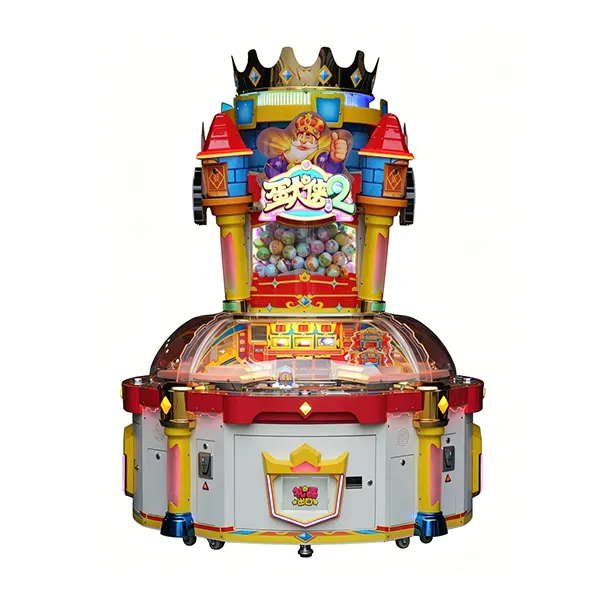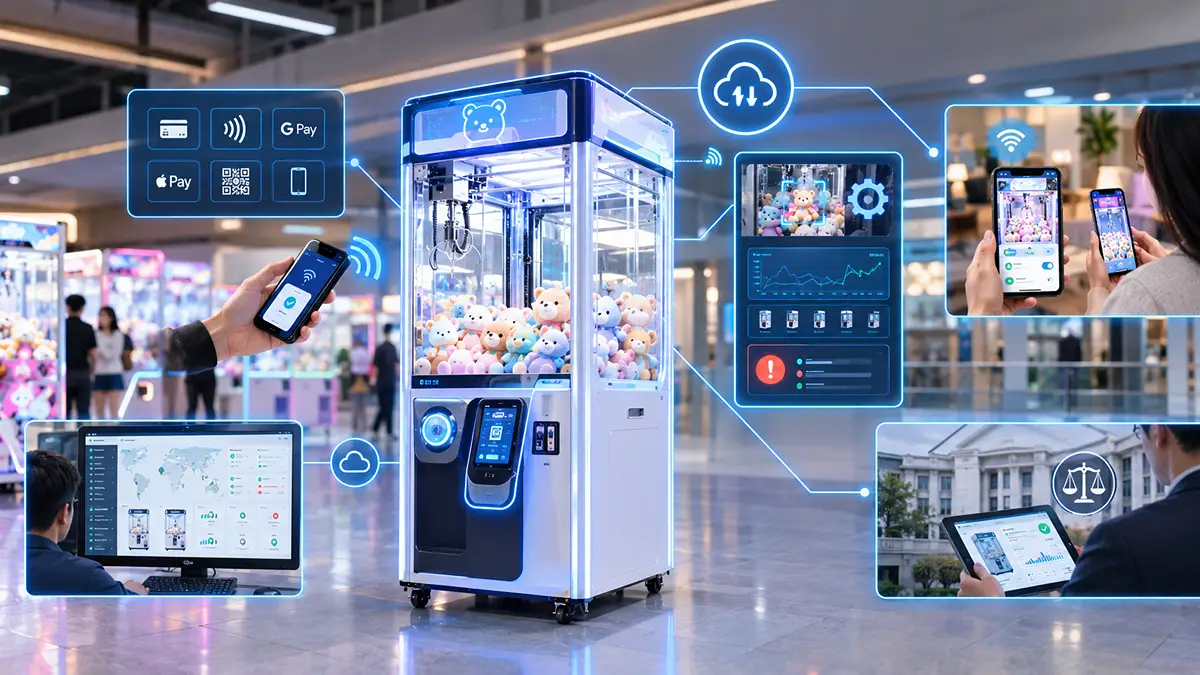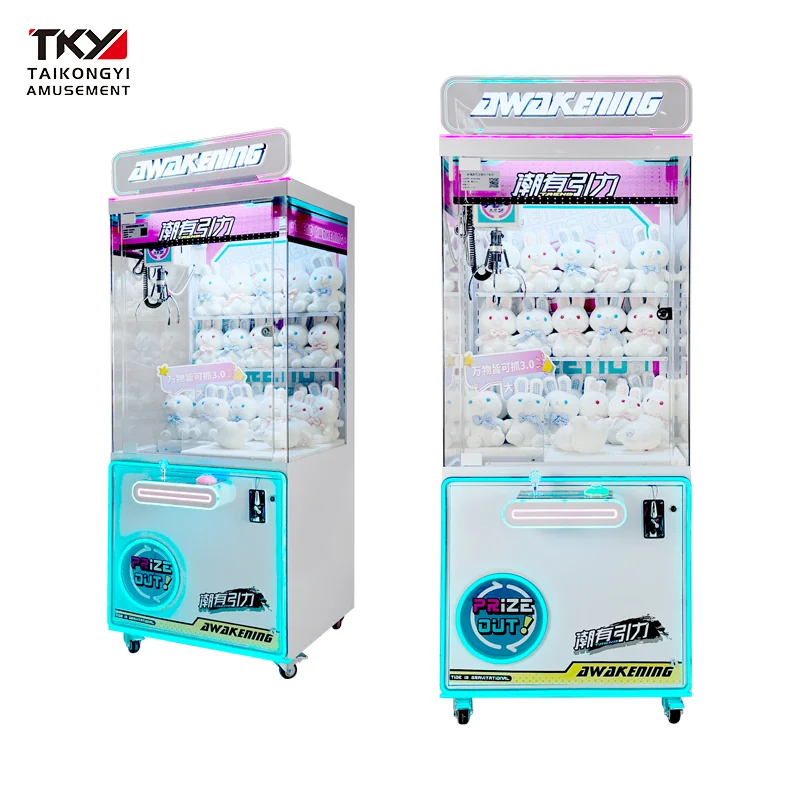
When sourcing claw machines, choosing between a manufacturer and a trading company can affect customization, product consistency, suporte de peças de reposição, and long-term operating costs. For arcade operators and businesses planning a new project, the right supplier structure can make equipment management easier from the first order onward.
This guide compares the practical differences between buying directly from a claw machine manufacturer and working with a trading company, including production control, personalização, preços, suporte pós-venda, and supplier verification.
How Manufacturing Capability Affects Quality and Cost
In-house process control directly cuts operational costs and prevents quality variation at the source, giving manufacturers a structural advantage over intermediaries.
When sourcing complex hardware, ignoring how manufacturing capability affects quality and cost guarantees downstream supply chain disruptions. Many buyers focus entirely on the purchase order unit price, failing to recognize that weak production infrastructure inevitably forces expenses up through secondary failures.
Direct Influence on Quality and Process Control
Process variation is the silent killer of product consistency. When a factory lacks control, you receive batches that pass inspection today but fail in the field tomorrow. High-capability environments prioritize reliability as the primary performance benchmark rather than chasing the lowest short-term price.
- Process Capability (Cp/Cpk): Where applicable, these measures can help manufacturers monitor production consistency and identify dimensional variation before it affects finished machines.
- Documentation Discipline: Strict quality control systems and controlled engineering changes prevent downstream scrap and unexpected failures.
- Reliability Benchmarks: Top-tier manufacturing plants design technology and material inputs specifically to survive high-use, commercial environments over low-cost alternatives.
Impact on Manufacturing and Non-Quality Costs
Cheap units often hide massive secondary expenses. A factory with weak technical capabilities shifts the burden of inspection, rework, and warranty claims onto your balance sheet, dragging down overall project margins.
- Cost of Poor Quality (COPQ): Stronger manufacturing capabilities directly lower your risk of warranty claims and redundant quality checks.
- Lean Optimization: Setup reduction, standardized work, and material optimization preserve strict quality standards while systematically stripping out operational waste.
- Referências Operacionais: Improving production controls can reduce rework, inspection effort, and other non-quality costs while helping maintain more consistent product performance.
Key Operational Mechanisms Driving Value
You cannot inspect quality into a product; you must build it into the process. Relying on end-of-line sorting means you are already paying for the factory’s scrap and human error.
- Process Standardization: Repeatable workflows and tight change control keep output uniform and prevent sudden production line disruptions.
- Design for Manufacturability (DFM): Early engineering collaboration optimizes designs and tooling to drop production difficulty and material waste from the start.
- In-Process Control: Building quality checks directly into assembly reduces dependency on final sorting, saving both time and labor.
Manufacturer vs. Trading Company : What Changes for Buyers
The division between a direct producer and an intermediary defines your operational control. This structural difference dictates how problems get solved when deadlines loom.
In-house manufacturers maintain direct authority over machinery calibration, tooling tolerances, and engineering changes. An intermediary trading company relies entirely on secondary audits and has zero physical presence on the factory floor, making product consistency highly dependent on external supplier discipline.
When defects occur, a factory owner accesses raw material logs and adjusts process parameters at the source. A trading company can only relay information back and forth, facing opaque supplier cost structures and limited leverage to force corrective actions.
Securing stable unit economics requires looking past the invoice price. Evaluating the factory’s physical capability to control variation is the only way to protect your margins over multi-year procurement cycles.
Customization Advantages of Working With Manufacturers
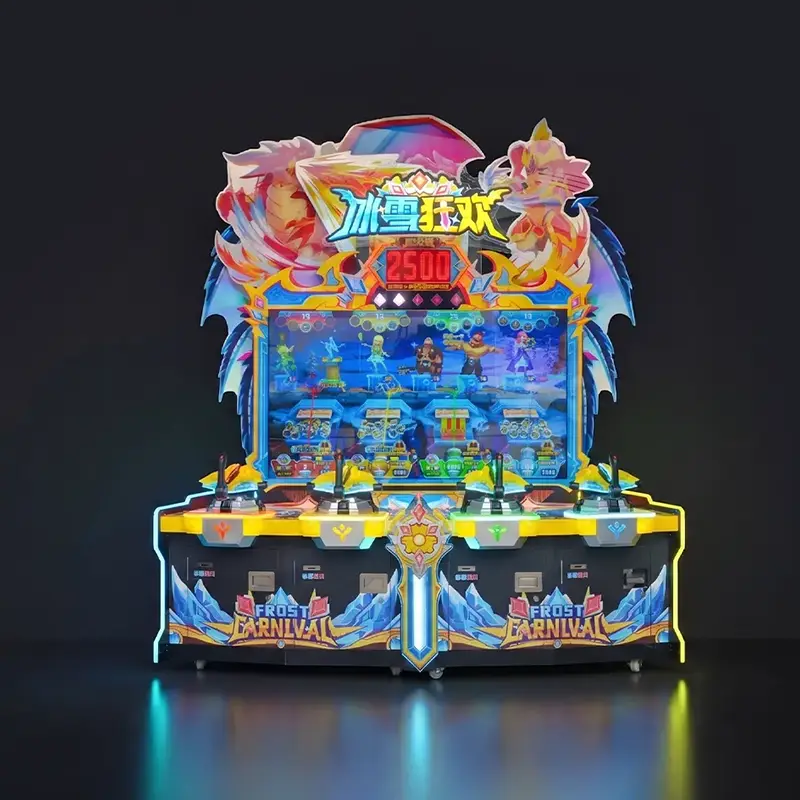
Working directly with a manufacturer can give buyers closer access to engineering teams, production information, controle de qualidade, and customization options, especially for projects that require more than standard machine configurations.
Direct Engineering Control and Technical Customization
Direct factory relationships remove the constraints of standardized catalogs, allowing technical buyers to alter core machine physics and software integrations rather than settling for off-the-shelf options.
- Direct Access: Optimize mechanical, electrical, and integration specifications directly with in-house engineering teams.
- Tooling Flexibility: Redesign molds, tooling, and CNC programs from scratch rather than relying on restrictive catalog inventory.
- Co-Development: Build and refine prototypes rapidly for real-world application testing and immediate performance validation.
This hardware-level optimization ensures the finished equipment matches your specific deployment environment without compromise.
Process Transparency and Reliable Quality Control
Intermediaries naturally insulate buyers from the factory floor, which often distorts technical specifications and delays quality resolution.
- Clear Communication: Work directly with factory assembly teams to prevent the specification dilution common with trading brokers.
- Statistical Control: Implement statistical process control and customized inspection protocols to secure stable production runs and minimal defect rates.
- Data Visibility: Maintain complete transparency over raw material sourcing, key production parameters, and factory-testing logs.
This level of visibility can make it easier to identify and address production issues before machines are packed and shipped to the destination market.
Operational Cost Savings and Production Scalability
While customized development can carry upfront costs, direct manufacturer relationships yield significant long-term structural savings.
- Direct Pricing: Eliminate broker commissions and markups to ensure transparent, ex-factory unit costs.
- Flexible Scaling: Move smoothly from low-volume custom prototypes to full-scale mass customization without changing partners.
- Tooling Optimization: Minimize upfront capital expenditures by leveraging the manufacturer’s established machinery and specialized tooling assets.
Eliminating broker markups frees up vital capital that you can reinvest directly into custom engineering and product differentiation.
Accelerated Project Lead Times and Market Agility
In fast-moving industries, speed to deployment defines profitability. Middlemen add communication layers that inevitably delay launch dates.
- Reduced Turnaround: Bypass relay communication to validate designs faster and shorten the critical path to production.
- Rapid Adjustment: Tweak designs and configurations immediately based on live market feedback or early field-test results.
- Brand Differentiation: Tailor aesthetic details, custom logo plates, and regional hardware variants on the active assembly line.
Direct feedback loops let engineers modify configurations in days instead of weeks, helping your business capture market windows before competitors can react.
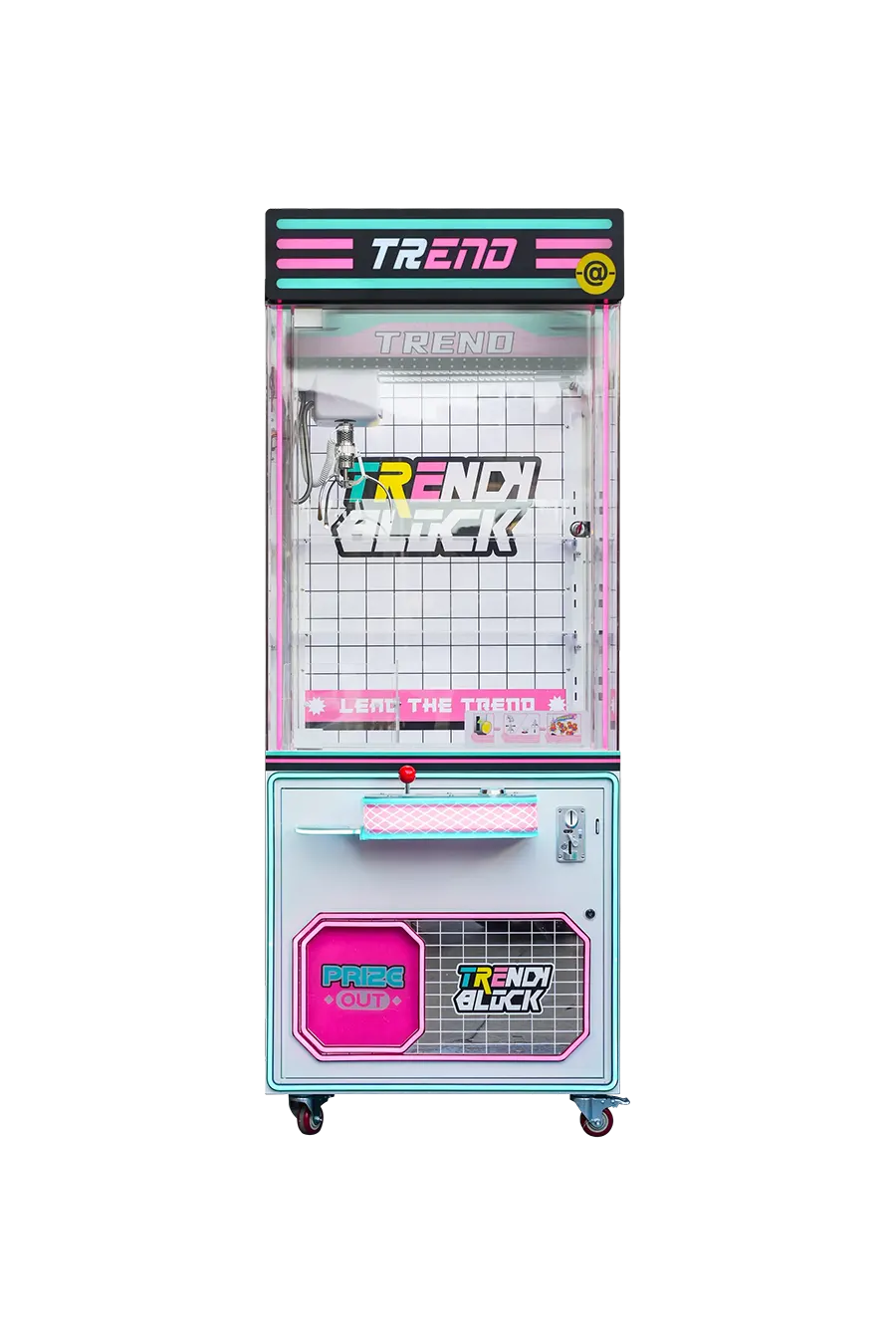
Boost Venue Profits With Factory-Direct Claw Machines
Comparing Service and After-Sales Support
Manufacturers offer deep technical expertise and direct accountability, while trading companies excel in rapid communication, multi-product sourcing, and flexible commercial dispute resolution.
Pre-Sales Support and Technical Consultation
Choosing between a direct manufacturer and a trading company during the pre-sales phase dictates the depth of technical feedback you receive. Direct relationships yield engineering clarity, while intermediaries prioritize transactional speed.
Manufacturers can provide direct access to engineering and production teams, making it easier to discuss cabinet configurations, crane mechanisms, sistemas de pagamento, and other technical requirements. For international buyers, it is still important to evaluate the supplier’s communication and export support alongside its manufacturing capabilities.
Trading companies run on customer acquisition and response speed. They assign dedicated account managers who reply quickly, handle export documentation, and bridge language gaps. They lack direct engineering authority and must relay deep technical queries back to their partner factories, which can create a communication lag.
In-Production Management and Quality Control
Control over the production floor determines how effectively a supplier prevents defects before they ship. Direct access to the machinery minimizes quality deviations early in the cycle.
Manufacturers hold direct oversight of assembly lines, wiring harnesses, and burn-in testing. If a quality issue arises during production, the plant manager implements immediate corrective actions on the floor. This direct control ensures consistent tolerances and process stability across repeat orders.
Trading companies operate as external project managers. Because they do not own the factory equipment, their quality control relies on leverage and external monitoring. Many trading firms manage this risk by hiring third-party inspectors to conduct inline checks, but they cannot directly adjust production parameters at the source.
Dispute Resolution and After-Sales Accountability
When defective components arrive or shipment errors occur, the path to resolution depends on the supplier’s business model. This stage tests the balance between engineering proof and commercial convenience.
Manufacturers resolve disputes through engineering-level analysis. They review raw material batches, testing logs, and machine parameters to find the root cause of a defect. Their technical solutions are highly accurate, but their contract terms are often strict, making them less flexible on replacements when fault is ambiguous.
Trading companies handle disputes with commercial pragmatism. To preserve the buyer relationship and secure repeat business, they often absorb small loss margins, offer partial credits, or apply discounts to subsequent orders. They act as your advocate to press the factory for long-term corrections.
Service Scope and Buyer Sourcing Flexibility
The scope of services a supplier can provide depends heavily on whether they are built for production or trade. Choosing the wrong setup leads to high administrative overhead.
Manufacturers often focus on their core amusement equipment and related services, but the scope can vary by supplier. For máquina de garra projects, it is worth checking whether the manufacturer can also support spare parts, gift supply, machine customization, site planning, installation guidance, and other services needed for the project.
Trading companies leverage their broad networks to offer extensive value-added services. They consolidate multiple product categories into a single container, design custom labels, and offer lower minimum order quantities (MOQs). This makes them highly effective partners for buyers testing new markets or sourcing diverse equipment.
How to Select the Right Supplier for Your Business

Working directly with a verified manufacturer can reduce some intermediary costs while giving buyers more direct access to production and engineering teams.
Are you struggling to tell if your potential partner is a real factory or just a middleman working out of a high-rise office? Learning how to select the right supplier for your business requires moving past polished catalogs and verifying actual production assets.
Evaluate Manufacturer vs. Trading Company Alignments
Sourcing mistakes often happen when buyers fail to identify who actually manufactures their goods. Trading companies may add their own margin for sourcing and coordination, while direct manufacturers control their own production processes.
- Business License Scope: Factories list terms like “produce” ou “manufacture” on their business scope. Trading companies list “atacado,” “trade,” ou “import and export.”
- Direct Factory Sourcing: Match large, customized orders with factories. This cuts out intermediate markups, ensures direct engineering contact, and guarantees clear origin tracing.
- Trading Company Partnerships: Use established trading partners if you need to test new markets with small, mixed-category shipments or need complex logistics consolidation.
Analyze Key Operational and Fit Dimensions
Your choice between a factory and a trader depends heavily on your operational scale and technical requirements. Selecting a partner with the wrong operational fit leads to broken timelines, failed inspections, and high defect rates.
- Monthly Order Volume: Direct manufacturers may be a better fit for repeat orders or projects that require customization, while trading companies can offer flexibility for smaller or mixed-category purchases.
- Customization Depth: Direct factory contact is particularly useful when you need proprietary tooling, custom cabinet designs, software changes, or other OEM/ODM adjustments. Trading companies may also arrange customization through their manufacturing partners, so buyers should verify who will actually handle the engineering work.
- Regulatory Compliance: Selling into strict markets like the US or EU requires factory-level documentation. Direct manufacturers provide genuine test reports matching their legal business name.
Execute Due Diligence and Business Scope Verification
Do not rely on polished website designs or virtual trust badges. Real due diligence requires cross-referencing public records and testing the supplier’s actual engineering expertise.
- Registered Address Check: Review the supplier’s official business registration and compare the registered company name with its factory information, website, and commercial documents.
- Catalog Specialization: Review whether the supplier’s product range is consistent with its stated manufacturing capabilities. A broader catalog does not automatically indicate a trading company, so confirm which products are produced in-house and which are sourced from partner factories.
- Technical Testing: Ask complex questions about raw material grades, machining tolerances, and tooling cycle times. Real factory engineers answer immediately, while traders delay to ask their suppliers.
Mitigate Operational Risks Through Audits and Inspections
Sourcing risk increases when buyers have zero visibility into the actual production floor. Standardize your quality verification protocols before wire transfers occur.
- On-Site Audits: Commission a third-party factory audit. This allows you to verify active machinery, safety workflows, and raw material storage conditions first-hand.
- Credential Cross-Referencing: Check that the legal entity, product model, and applicable compliance documents are consistent with the supplier’s business information.
- Financial Stability: Check credit records and export history. Stable suppliers absorb currency fluctuations and raw material price spikes without stopping production or demanding sudden price hikes.
Negotiate Commercial Terms and Run Pilot Shipments
Basing decisions purely on the lowest unit price quote often backfires. A cheap unit price can quickly disappear under shipping delays, quality failures, and customs penalties.
- Total Cost Calculations: Factor in tooling costs, customs duties, transport, and potential quality failure rates. A slightly higher factory quote with lower defect risk is often cheaper in the long run.
- Structured Agreements: Define payment terms, Incoterms (like FOB or EXW), and strict defect remedy clauses in your contracts. Specify who pays for rework and replacements.
- Pilot Order Execution: For a new supplier or customized project, consider starting with a manageable pilot order before committing to larger repeat volumes. Require a strict pre-shipment inspection using a custom checklist before the goods leave the factory floor.
Perguntas frequentes
What is the difference between a manufacturer and a trading company?
Selecting the right claw machine supplier requires understanding the structural differences between a manufacturer and a trading company. Manufacturers produce goods directly in their own facilities using raw materials, dedicated machinery, and technical labor, giving them direct control over production quality, personalização, and costs. Trading companies act as commercial intermediaries that buy finished goods from multiple third-party factories and resell them, focusing on sourcing coordination, logistics, and multi-product order consolidation.
Are factory-direct prices always cheaper than trading company prices?
Factory-direct pricing can be lower in some cases because buyers are purchasing closer to the source of production, but the difference varies by order volume, personalização, shipping terms, and service scope.
Sourcing from a trading company can sometimes result in lower total costs for small or mixed orders because they can negotiate bulk discounts with factories and consolidate shipments to reduce logistics overhead.
Should I buy claw machines directly from manufacturers?
Purchasing claw machines directly from manufacturers is ideal if you operate multiple units, need custom cabinet branding, or have the technical capacity to manage installation and basic repairs.
If you only need one or two machines and prioritize fast local support, immediate delivery, and local warranties, a local distributor or trading company may suit your needs better despite the higher purchase price.
How can I verify if a claw machine supplier is a real manufacturer?
Request the supplier’s exact factory address, business license, and a live video tour of their assembly and testing lines. Real manufacturers will show in-house cabinet fabrication, wiring, and dedicated burn-in testing areas, and they will supply ISO 9001, CE, FCC safety certifications that list their official company name.
Why is factory control important when sourcing amusement equipment?
Factory control determines product quality, consistency, and structural safety across production batches. Direct control allows buyers to audit the production floor, run inline inspections, and execute technical changes directly with engineers, whereas trading companies provide mediated access, which increases the risk of specification drift, inconsistent materials, and slow dispute resolution.
Can manufacturers provide better customization than trading companies?
Manufacturers offer deeper customization because they directly control tooling, molds, and production lines. They can handle complex OEM and ODM requests, including adjusting cabinet dimensions, modifying software systems, or updating internal electromechanical mechanisms, whereas trading companies are limited to standard factory variants or superficial branding changes.
Do trading companies offer after-sales service and warranties?
Trading companies offer after-sales service, but their support is primarily administrative and coordinated rather than technical. They handle complaint communication, process warranty claims, and source replacement parts from the underlying factory, whereas manufacturers provide direct engineering support, technical diagnostics, and a direct stock of critical spare parts.
Considerações Finais
While trading companies can be useful for smaller or mixed orders, working directly with a qualified manufacturer can provide greater visibility into production, personalização, peças de reposição, and technical support. For claw machine operators, these factors can make it easier to maintain equipment and manage costs as the business grows.
We recommend requesting our latest manufacturing catalog and reviewing custom OEM options to evaluate our structural build standards firsthand. Contact our technical team to discuss cabinet branding, specialized power configurations, or firmware requirements for your specific deployment market. Our team stands ready to align with your procurement goals and secure your factory-direct margins.