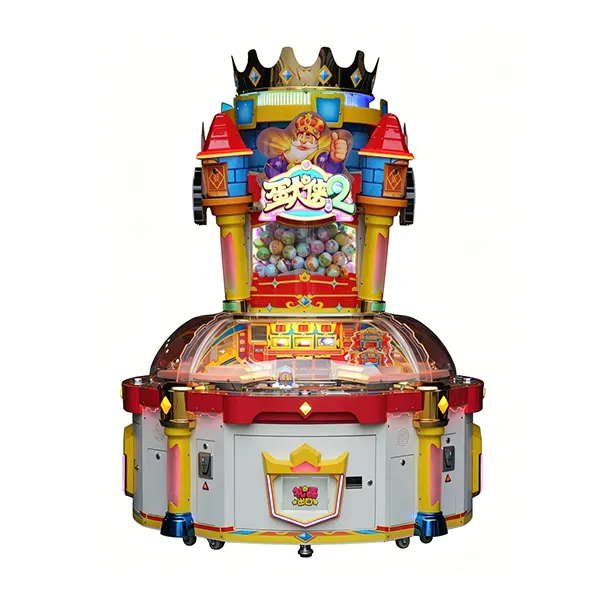
Acest ghid comercial pentru mașini de împingere a monedelor acoperă modul în care funcționează aceste mașini, principalele tipuri disponibile, și factorii practici de luat în considerare atunci când alegeți o mașină pentru o sala de jocuri, centru de divertisment pentru familie, sau alt loc comercial.
Ghidul analizează și construcția cabinetului, proiectarea terenului de joc, opțiuni de plată, întreţinere, și asistență furnizorilor pentru a-i ajuta pe cumpărători să compare mașinile în funcție de utilizarea prevăzută.
Ce este o mașină de împingere a monedelor?
O mașină de împingere a monedelor este un joc arcade mecanic cu venituri mari, care utilizează o platformă glisantă motorizată, gravitaţie, și impuls fizic pentru a recompensa jucătorii cu monede, bilete, sau premii.
Ați stat vreodată într-o arcade aglomerată?, privind o grămadă densă de sferturi alunecând la milimetri departe de o pervaz metalic? Această tensiune vizuală unică definește mașină de împingător de monede, o bază mecanică durabilă a industriei de distracție.
Definiția de bază și mecanismul de joc
Mașinile de împingere a monedelor sunt utilizate pe scară largă ca jocuri arcade de răscumpărare, combinând jocul mecanic simplu cu șansa de a câștiga monede, jetoane, bilete, sau mici premii. Formatul specific de recompensă poate varia în funcție de designul mașinii, loc de desfășurare, și reglementările locale.
Jocul se bazează pe un aspect fizic, tavă acţionată cu motor încărcată cu un strat dens de monede. Platforma se mișcă înainte și înapoi într-un ciclu continuu. Jucătorii influențează terenul de joc alegând când și unde să arunce monede sau jetoane, permițând pieselor adăugate să se construiască pe stiva existentă și să o miște treptat către marginea plății.
Anatomia unui împingător de monede clasic
Construcția fizică a unui împingător de monede comercial echilibrează durabilitatea structurală cu vizibilitatea clară a jucătorului. Dulapurile standard includ aceste componente mecanice primare:
- Dulap transparent: Un panou frontal rezistent din sticlă temperată sau acrilic menține grămada de monede pe deplin vizibilă, stimulând anticiparea jucătorilor.
- Impingator motorizat: Un motor electric cu viteză mică antrenează un braț excentric, alunecând raftul superior înainte și înapoi într-un ritm constant.
- Tava de colectare: Un jgheab de plată poziționat în partea de jos a marginii frontale captează toate monedele și premiile împinse cu succes peste buză.
Cum funcționează jocul pas cu pas
În timp ce configurația vizuală pare complexă, bucla funcțională a mașinii operează pe deplasare mecanică directă. Ciclul urmează o secvență fizică clară:
- 1. Inserare: Jucătorul aruncă o monedă sau un jeton în slotul de intrare de sus. Gravitația îl ghidează în jos pe jgheab pe platforma superioară în mișcare.
- 2. Împingere mecanică: Pe măsură ce placa de alunecare se deplasează înainte, împinge moneda nou adăugată împotriva celei preexistente, pat dens de monede dedesubt.
- 3. Depășire și plată: Greutatea cumulată și forța orizontală depășesc frecarea statică. Acest lucru face ca stratul exterior de monede să alunece peste buza frontală în zona de plată.
Tipuri de premii și locații
Operatorii adaptează dispozitivele de împingere a monedelor pentru a se potrivi cu demografia locală și reglementările regionale. Dulapurile moderne acceptă în general o mare varietate de recompense:
- Plăți directe: Monedele libere sau jetoanele arcade proprii cad direct în coșul de colectare pentru reluare imediată.
- Recompense de răscumpărare: Dozatoarele de bilete sau sistemele de carduri RFID urmăresc punctele, permițând jucătorilor să-și schimbe câștigurile la un contor de premii.
- Noutăți fizice: Marfa de mare valoare, jucării de pluș, sau cardurile cadou stau direct deasupra patului cu monede, alunecând înainte cu fiecare împingere reușită.
Pentru că aceste mașini combină un joc simplu cu un atractiv vizual puternic, sunt amplasate în mod obișnuit în locuri cu trafic intens, cum ar fi centrele de divertisment pentru familie, arcade, si parcuri de distractii. Jocul lor ușor de înțeles și mișcarea vizibilă a monedelor pot atrage jucătorii și pot încuraja jocul repetat.
Cum funcționează o mașină de împingător de monede?
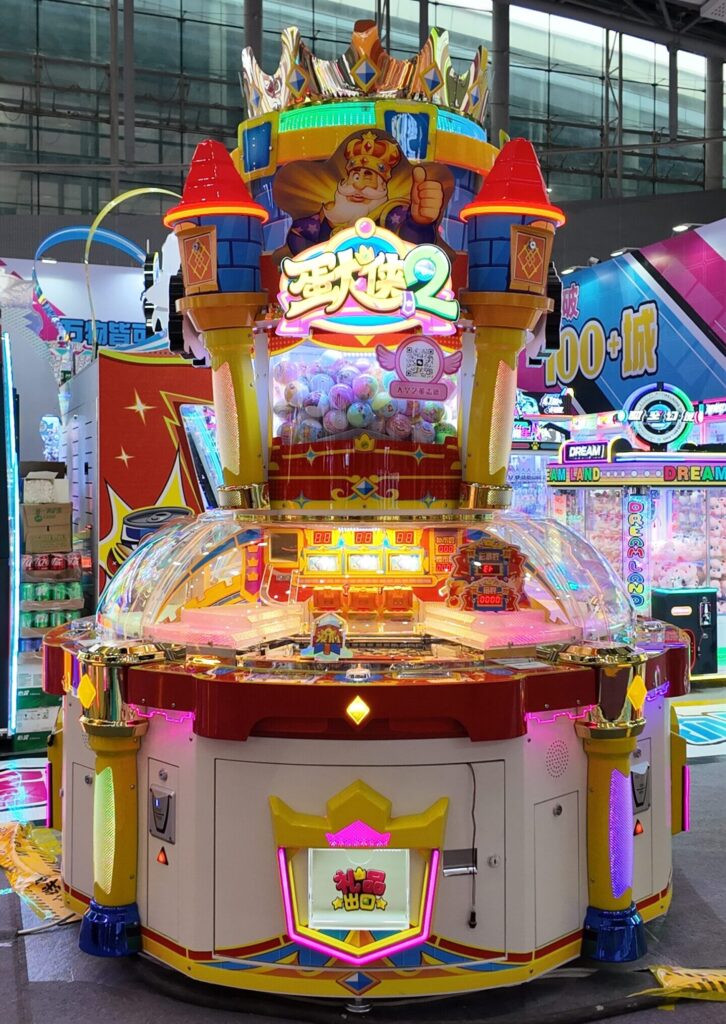
O mașină de împingător de monede folosește un raft alternativ acționat de motor, gravitaţie, și frecare laterală pentru a deplasa treptat stivele de monede până când acestea se prăbușesc într-o tavă de plată.
Cum transformă o mașină de împingere a monedelor o simplă picătură de monede într-o mișcare în cascadă de monede? Răspunsul constă în interacțiunea dintre raftul mobil, gravitaţie, frecare, și modul în care monedele se acumulează pe terenul de joc.
Acționare mecanică și raft alternativ
În interiorul cabinetului, un motor electric de turatie mica functioneaza continuu. În loc de angrenaje digitale complexe, acţionează un braţ excentric care traduce mişcarea rotativă simplă într-un ciclu de alunecare înainte şi înapoi.
Această legătură antrenează un raft glisant plat. Pe măsură ce această platformă se retrage și avansează pe un perete din spate fix, forțează monedele nou depuse înainte pe terenul de joc activ.
Intrare monedă, Țintind, și Plasare alimentată cu gravitație
Jucătorii încep procesul prin introducerea de monede în sloturile de intrare. Multe dulapuri comerciale includ glisoare mecanice, permițând jucătorilor să vizeze traiectoria stângă, corect, sau centru.
Odată eliberat, gravitația trage moneda în jos. Jucătorii de succes își cronometrează drop-urile pentru a ateriza atunci când platforma superioară este complet retrasă, asigurându-se că moneda alunecă plat în spatele grămezilor existente.
Rezistența la frecare și acumularea stivelor
Odată pe pat, monedele nu se mișcă ușor. Frecarea statică menține straturile de metal blocate pe terenul de joc plat. Fiecare împingere ciclică transferă energie fizică prin grămadă, depășind încet această rezistență.
Pe măsură ce monedele se deplasează, se schimbă, diapozitiv, și urcați unul peste altul. Această presiune devine densă, stive suprapuse împachetate strâns pe marginea platformei.
Colapsul marginii și mecanismele de plată
Împingerea continuă înainte supraîncărcă în cele din urmă limitele fizice ale stivei. Când forța de împingere depășește frecarea statică care ține stratul inferior, întreaga margine devine instabilă.
Gravitatea preia controlul și trage monedele zguduitoare peste buza din față a terenului de joacă. Aceste monede dislocate alunecă pe rampa internă direct în tava de plată accesibilă.
Jgheaburile laterale și avantajul operatorului
Fizica monedelor rotunde împiedică o împingere perfectă înainte. Pentru că cercurile distribuie în mod natural forța spre exterior, grămada se întinde constant în lateral, direcționarea în trei zone de evacuare distincte:
- Jgheaburile din stânga și din dreapta: Canale deschise care flanchează terenul de joc care captează răspândirea laterală a monedelor.
- Bazine de captare din spate: Fante poziționate în spatele raftului glisant pentru a prinde jetoanele deplasate înapoi.
- Caseta Operatorului: O zonă de colectare separată poate captura monede care cad din laterale sau alte zone fără plată, în funcție de designul cabinetului.
Maximizați rentabilitatea investiției locației cu împingătoare de monede premium
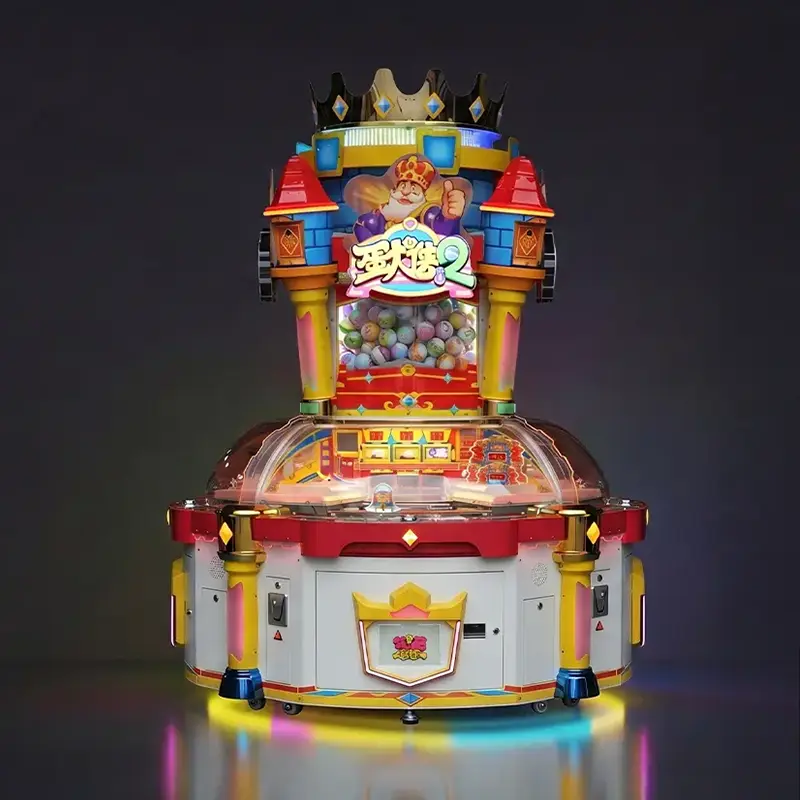
Diferite tipuri de mașini de împingere a monedelor pentru arcade
Selectarea mașinii de împingător de monede ideală necesită potrivirea amprentei dulapului și a arhitecturii de plată direct la traficul locației și standardele locale de conformitate.
Cum maximizați veniturile pe metru pătrat pe podeaua dvs. de arcade fără a crește cheltuielile de întreținere? Alegerea corectă mașină de împingător de monede arcade necesită trecerea dincolo de estetica de bază pentru a analiza amprentele mecanice, formate de plată, și modele de buclă.
Clasificare după sisteme de plată și recompensă
Sistemele de plată dictează viteza și reținerea jucătorului. Operatorii trebuie să alinieze tipul de recompensă cu datele demografice locale pentru a optimiza debitul.
- Împingătoare tradiționale centrate pe monede: Aceste aparate returnează monede fizice sau jetoane direct jucătorului, menținerea unei popularități ridicate în medii retro și locații bazate pe nostalgie.
- Pusheri de premii: Aceste configurații plasează mărfuri de mare valoare, cum ar fi jucăriile, bomboane, sau electronice mici direct pe terenul de joc pentru a stimula jocul imediat.
- Modele hibride de răscumpărare a biletelor: Aceste unități combină jocul de împingere a monedelor cu biletele fizice, carduri de colecție, sau cipuri inteligente pentru a genera repetări și comportamente de colectare.
Buclă deschisă vs. Ecosisteme în buclă închisă
Structura buclei definește expunerea dumneavoastră de reglementare și securitatea operațională. Alegerea dintre aceste sisteme afectează modul în care gestionați activele fizice de pe podea.
- Proiecte în buclă deschisă: Aceste aparate permit jucătorilor să folosească monede sau alte forme de plată direct, mai degrabă decât să te bazezi pe jetoane sau cărți specifice locației. Configurația de plată și plată poate varia în funcție de aparat, ceea ce face importantă alegerea unui format care se potrivește modelului de funcționare al locației.
- Configurații în buclă închisă: Aceste sisteme folosesc jetoane dedicate, cărți de jucător, sau cipuri RFID pentru a păstra toate materialele de joc în ecosistemul locației.
- Avantaje operaționale: Configurațiile în buclă închisă simplifică securitatea podelei, eliminarea vulnerabilităților de gestionare a numerarului, și se integrează cu cititoare moderne de carduri fără numerar.
Aspect mecanic și configurație teren de joc
Dinamica terenului de joc guvernează suspansul vizual care atrage jucătorii. Configurațiile mecanice diferite oferă niveluri distincte de rezistență la uzură și beneficii vizuale.
- Mecanisme cu un singur nivel: Dispunând de o placă glisantă mobilă și o singură margine de cădere, aceste mașini oferă o simplitate mecanică fiabilă pentru locuri mici.
- Platforme cu mai multe niveluri: Aceste configurații creează cascade vizuale dramatice, pe măsură ce monedele cad pe mai multe rafturi înainte de a cădea în canalul de plată, creșterea timpului de așteptare al jucătorului.
- Jackpot și buzunare bonus: Aceste variații utilizează zone de pisare vizate pe terenul de joc pentru a declanșa roți fizice de premii sau plăți majore de bilete.
- Împingătoare de marmură: Aceste mașini înlocuiesc jetoanele standard cu sfere colorate, oferind o mișcare fizică distinctă, feedback-ul auditiv, și o estetică proaspătă pe podea.
Amprenta cabinetului și capacitatea jucătorului
Optimizarea spațială influențează direct densitatea veniturilor. Alegerea amprentei corecte asigură că mașina se potrivește cu spațiul disponibil și cu modelele de trafic.
- Blat compact și modele mini: Aceste unități se potrivesc în spațiile înguste din partea de sus a barului pentru a viza jocul de impuls în locații cu trafic ridicat de puncte de vânzare.
- Dulapuri Standard și Mega: Aceste instalații mari acționează ca ancore vizuale pe podeaua arcade, maximizarea vizibilității cu afișaje cu premii de mare impact.
- Configurații de capacitate: Posturile cu un singur jucător optimizează pereții îngusti, în timp ce modelele pentru mai mulți jucători funcționează ca centre sociale cu venituri mari prin gruparea jucătorilor în jurul unui teren de joc comun.
Rafinament tehnologic și integrări inteligente IoT
Telemetria modernă schimbă modul în care operatorii gestionează procentele de plată și diagnostichează defecțiunile din mers.
- Împingătoare mecanice clasice: Aceste modele acordă prioritate autenticității fizice, durabilitate pe termen lung, și puncte minime de defecțiune electronică pentru o întreținere ușoară.
- Modele electronice și LED Show: Utilizarea ecranelor video, peisaje sonore personalizate, și runde bonus interactive, aceste unități captează cu succes datele demografice ale jucătorilor mai tineri.
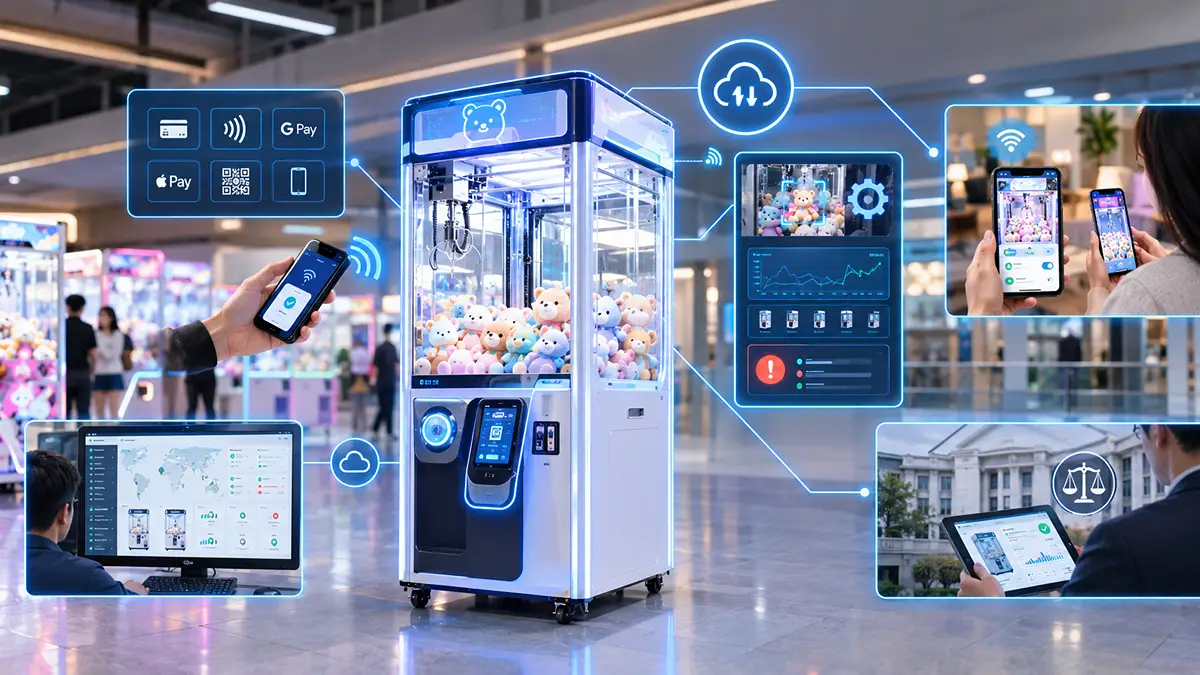
- Impingătoare inteligente IoT: Unele mașini mai noi pot integra funcții de monitorizare digitală sau de gestionare în rețea, cum ar fi urmărirea utilizării, monitorizarea stării mașinii, sau diagnosticare la distanță, in functie de model si sistem software.
De ce aparatele de împingere a monedelor rămân populare în locurile de divertisment
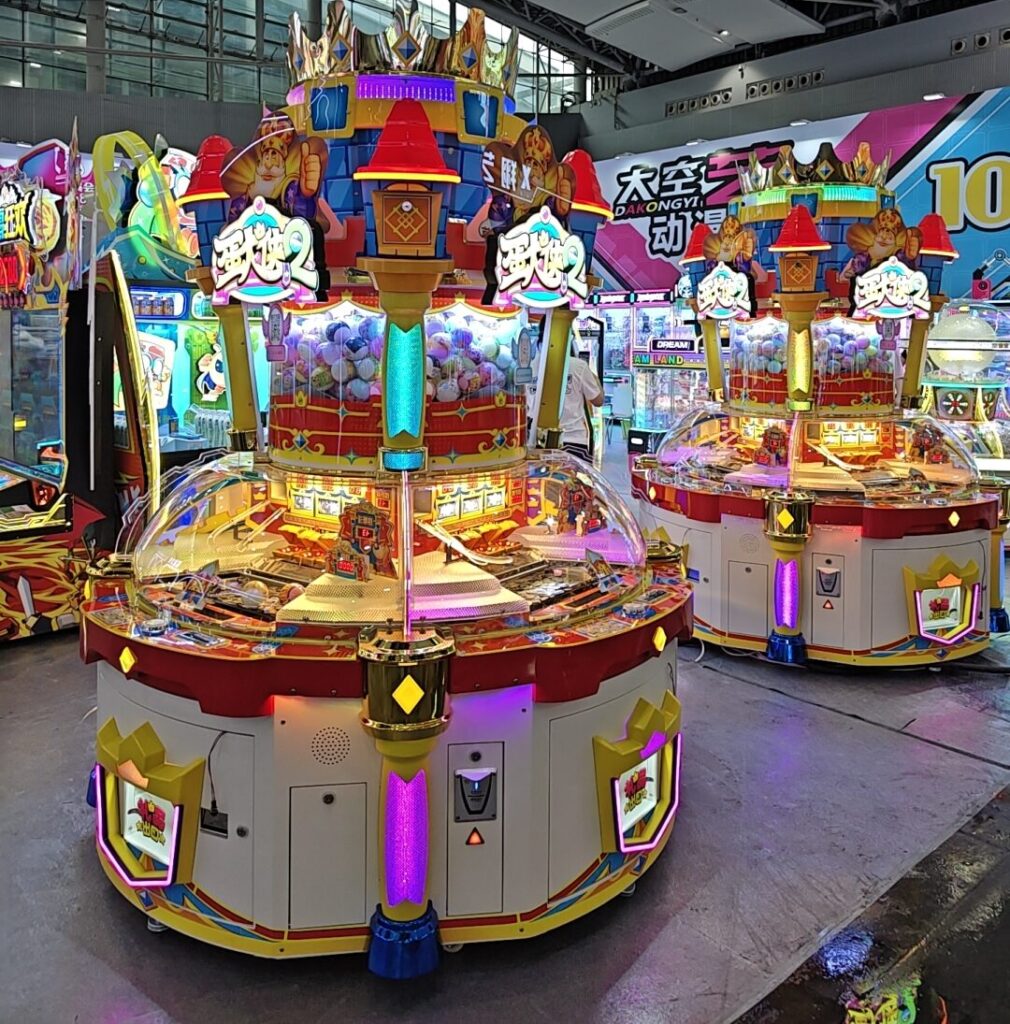
Mașinile de împingere a monedelor comandă spațiu pe podea deoarece se împerechează tactil, fizica curbei de învățare zero pentru jucători cu perioade de rambursare rapide și cheltuieli de întreținere minime pentru operatori.
Psihologia jucătorului și atractia recompenselor tangibile
De ce se înghesuie jucătorii în jurul aparatelor de împingător de monede când ecranele video de înaltă definiție sunt la doar câțiva pași? Răspunsul se află în imediat, feedback-ul tactil al gravitației fizice. Mecanica fizică intuitivă necesită curbe de învățare zero, eliminând instantaneu barierele pentru vizitatorii ocazionali care doresc să se joace fără să citească un ecran cu reguli.
Indiciile senzoriale creează un angajament intens înainte ca o monedă să cadă. Clingăitul constant al căderii metalului și imaginea unui pachet de premii zguduit atârnând peste margine declanșează o mare anticipare emoțională. Jucătorii urmăresc alunecarea raftului, prezicând exact când grămada își va pierde lupta cu frecarea.
Această configurație fizică generează în mod natural apariții aproape ratate. O monedă care alunecă până la margine, dar refuză să cadă, arată mai degrabă o întârziere temporară decât o pierdere. Împreună cu programe variabile de plată, aceste rateuri aproape țin jucătorii pe locurile lor, conduce sesiuni mai lungi în timp ce încearcă să împingă grămada dincolo de punctul său de vârf.
Rentabilitate ridicată și întreținere redusă pentru operatori
În timp ce jucătorii urmăresc fiorul cascadei, operatorii apreciază aceste dulapuri pentru previzibilitatea lor, economie robustă. Modelul de afaceri se bazează pe o fiabilitate mecanică simplă pentru a genera un cash-in consistent.
- Rambursare rapidă: Configurațiile mecanice cu venituri mari realizează în mod regulat o rentabilitate completă a investiției în termen de șase până la douăsprezece luni în condiții standard de operare.
- Capul general minim: Consumul redus de energie și componentele mecanice de bază scad drastic costurile operaționale zilnice în comparație cu simulatoarele de realitate virtuală consumatoare de energie.
- Merchandising țintit: Pachetele de premii personalizabile le permit operatorilor să schimbe cu ușurință recompensele, adaptarea inventarului pentru a se potrivi cu demografia jucătorilor locali și tendințele sezoniere.
Integrare perfectă cu ecosistemele moderne de răscumpărare
Managementul modern al locațiilor necesită sisteme unificate, iar împingătoarele clasice de monede se adaptează surprinzător de bine. Operatorii nu trebuie să aleagă între jocul mecanic nostalgic și eficiența digitală.
O tranziție fără întreruperi la cititoarele digitale de bilete și carduri păstrează mașinile tradiționale extrem de relevante în arcadele moderne fără numerar. Jucătorii își ating cardurile RFID pentru a arunca jetoane virtuale, în timp ce senzorii înregistrează instantaneu biletele câștigate direct în conturile lor electronice.
Pentru a maximiza acest atractiv hibrid digital-fizic, designul aspectului joacă un rol major. Amplasarea strategică în apropierea căilor cu trafic intens sporește fluxul natural al locației, atrăgând privirea trecătorilor cu lumini intermitente și mișcare mecanică. Dulapurile tematice și pachetele audio-vizuale avansate asigură că aceste unități concurează cu succes cu ecranele video din apropiere pentru atenția jucătorului.
Atractie demografică largă și nostalgie
Aparatele de împingere a monedelor pot atrage o gamă largă de jucători, deoarece jocul de bază este ușor de înțeles și nu necesită instrucțiuni detaliate. Regulile simple se adresează direct la diferite grupuri de vârstă, permițând copiilor mici, adolescenti, iar adulții în vârstă să se joace unul lângă altul fără frustrare.
Această atracție intergenerațională se bazează în mare măsură pe valoarea nostalgică. Cel statornic, Mișcarea ritmică înainte și înapoi ancorează experiența arcade clasică, păstrând un sentiment de autenticitate mecanică. Îmbinând jocul fizic tradițional cu ecosistemele moderne ale locațiilor, aceste mașini rămân o ancoră de încredere pentru orice podea de distracție.
Factori importanți înainte de a cumpăra o mașină de împingător de monede
Maximizați rentabilitatea comercială prin prioritizarea cadrelor din oțel, validare cu dublu senzor, meniuri de plată ajustabile, și asistență verificată din fabrică înainte de a cumpăra următoarea mașină de împingător de monede.
| Categoria de evaluare | Standard comercial minim | De ce contează |
|---|---|---|
| Cabinet & Mecanica | Cadru ranforsat, panouri de vizualizare durabile, și un teren de joc robust | Ajută la utilizarea publică repetată și reduce riscul de uzură prematură sau deteriorare. |
| Validare & Senzori | Validare cu dublu senzor (optic + electromagnetic/greutate) | Filtrează melci și obiecte fără monede pentru a preveni blocajele și pierderile. |
| Controale de profitabilitate | Reglare RTP software protejat prin parolă | Securizează structurile de plată și aliniază setările cu legile regionale. |
| Limite de mediu | Funcționează în intervalul de temperatură și umiditate specificat de producător | Ajută la protejarea componentelor de căldură, umiditate, și stresul mediului. |
| Suport furnizor | 1-an garantie piese/manopera, toate întrebările au răspuns în termen 12 ore | Garantează timp de funcționare pe termen lung și fluxuri de lucru simple de întreținere. |
Calitate de construcție, Durabilitate, și Mecanica Cabinetului
Cumpărarea unei mașini de împingere a monedelor pentru uz comercial necesită concentrarea pe rezistența mecanică. Materialele ieftine eșuează rapid sub stresul fizic constant al interacțiunii publice, mâncând direct în marjele dumneavoastră operaționale.
- Șasiu și carcasă: Alegeți cadre din oțel armat și sticlă călită, mai degrabă decât structuri grele din plastic, pentru a rezista utilizării publice grele.
- Tava de împingere: Verificați materialul tăvii, grosime, și calitatea construcției pentru a se asigura că poate rezista mișcării și impactului repetat al monedelor în timpul utilizării comerciale.
- Bare de împingere: Verificați materialul și construcția barelor de împingere, oțelul inoxidabil fiind o opțiune pentru aplicațiile care necesită o rezistență mai mare la uzura repetată și coroziune.
- Acces la serviciu: Confirmați dacă zonele cheie de servicii pot fi atinse rapid și în siguranță, ușurând pentru personal să elimine blocajele de monede și să efectueze întreținerea de rutină.
Validarea monedelor și tehnologia senzorilor
O cale fiabilă a monedelor vă menține mașina să funcționeze fără resetări manuale constante. Componentele slabe de validare permit jucătorilor să trișeze sistemul, în timp ce senzorii de calitate scăzută nu reușesc să înregistreze jocurile legitime.
- Standardizarea jetoanelor: Standardizați jetoanele uniforme pentru a asigura o fizică consistentă și pentru a reduce ratele de blocaj.
- Mecanism de validare: Acordați prioritate sistemelor de validare cu senzori duali care utilizează senzori optici combinați cu senzori electromagnetici sau de greutate pentru a filtra melci și obiecte fără monede.
- Reactivitatea senzorului: Testați sistemul de validare a monedei sau jetoanelor pentru a confirma că jocurile sunt înregistrate în mod consecvent și că aparatul răspunde corect în timpul utilizării repetate.
- Interval de întreținere: Urmați programul de curățare și inspecție recomandat de producător, cu verificări mai frecvente în cazul în care aparatul se confruntă cu utilizare zilnică intensă sau blocaje repetate de monede.
Structura de plată, Control RTP, și Rentabilitatea
Formatul jocului dictează modul în care generați venituri. Trebuie să alegeți un ecosistem de plăți care să se alinieze cu capacitățile dumneavoastră logistice și cu reglementările locale privind jocurile.
- Model de răscumpărare: Selectați între modele fizice de răscumpărare a premiului sau configurații digitale/bazate pe bilet, în funcție de capacitatea dumneavoastră operațională și de legile locale.
- Ajustabilitate RTP: Asigurați-vă că mașina este în siguranță, meniuri protejate prin parolă pentru a ajusta procentul de revenire la jucător și pentru a preveni modificările neautorizate ale setărilor.
- Amprenta Cabinetului: Evaluați avantajul amprentei dulapurilor cu mai multe stații, care acționează ca noduri sociale cu venituri mari, împotriva modelelor single-player pentru spații mai mici.
- Proiecții financiare: Determinați perioada estimată de rambursare scăzând costurile premiului, comisioane de locatie, și comisioane de întreținere de la moned-in lunar proiectat.
Standarde electrice, Conformitate, și limite de mediu
Amplasarea echipamentelor comerciale într-un spațiu public necesită conformitate. Neglijarea codurilor locale sau a cerințelor climatice poate duce la amenzi, pericole electrice, sau degradarea rapidă a componentelor.
- Suport de tensiune: Confirmați în scris compatibilitatea cu dublă tensiune sau suportul pentru standardul regional specific înainte de cumpărare.
- Certificate de conformitate: Verificați dacă dulapul este certificat pentru a respecta electricitatea locală, siguranţă, și reglementări comerciale privind jocurile de distracție.
- Limitele climatice: Păstrați mediul de operare în interior 45% la 55% umiditatea relativă şi 18 la 24 grade Celsius pentru a preveni coroziunea componentelor și deplasarea senzorului.
- Profil acustic: Evaluați zgomotul de funcționare a motorului și a căderii monedelor pentru a vă asigura că se potrivește cu mediul dvs. interior specific, precum restaurantele liniştite de familie.
Cerințe de spațiu, Estetică, și asistență pentru furnizori
Extragerea vizuală îi determină pe jucători să urce, dar backup pe termen lung a furnizorului menține mașina să genereze venituri. Asigurați-vă că măsurați cu atenție suprafața podelei și verificați-vă furnizorul înainte de a transfera fonduri.
- Amprenta fizică: Verificați producător de mașini de împingător de monededimensiunile exacte ale dulapului și permit spațiu liber suplimentar pentru accesul jucătorilor, întreţinere, ventilare, și colecția de premii sau monede.
- Stil estetic: Căutați strălucire, stil LED modern, cu linii de viziune clare pentru a atrage trecătorii și pentru a maximiza atractivitatea vizuală naturală.
- Garanție și durată de viață a pieselor: Verificați acoperirea garanției pentru componentele majore, cum ar fi motoarele și plăcile de control, și confirmați cât timp se așteaptă furnizorul să accepte piesele de schimb pentru model.
- Verificarea suportului: Examinați documentația tehnică și testați capacitatea de răspuns a liniei de servicii a furnizorului înainte de finalizarea achiziției.
Alegerea furnizorului potrivit de echipamente arcade
Găsirea unui furnizor de încredere de echipamente arcade necesită să căutați cataloagele cu preț scăzut pentru a verifica conformitatea cu siguranța certificată, capacitatea reală a fabricii, și durabilitatea reală a componentelor.
Cum elimini companiile de tranzacționare „fly-by-night” de la un furnizor legitim de echipamente pentru jocuri de arcade atunci când cumperi împingătoare de monede cu bilete mari? Un furnizor nepotrivit poate crea probleme evitabile cu calitatea mașinii, documentare, piese de schimb, Transport, și asistență post-vânzare. Operatorii de succes folosesc o diligență strictă pentru a-și proteja investiția înainte de a semna orice contract de achiziție.
Verificarea certificărilor regionale de conformitate și siguranță
Nerespectarea cerințelor de siguranță și electrice aplicabile poate împiedica amplasarea sau operarea legală a echipamentelor pe unele piețe, astfel încât cumpărătorii ar trebui să verifice cerințele care se aplică destinației lor înainte de cumpărare.
Nu faceți o scanare PDF la valoarea nominală. Documentația contrafăcută este comună în această industrie, deci verificați întotdeauna valabilitatea certificatului direct prin bazele de date oficiale ale organismului emitent înainte de a conecta orice depozite. Asigurați-vă că toate standardele și componentele electrice interne corespund codurilor municipale locale pentru locurile comerciale.
- Standardele nord-americane: UL relevant sau Marca listată ETL cerințe pentru echipamentele de distracție comerciale.
- Standarde europene: Marcaj CE verificat în raport cu registrele oficiale.
- Codurile Municipale: Standarde locale de cablare electrică pentru localuri comerciale publice.
Evaluarea capacității de producție și controlul calității
Multe vitrine online sunt companii intermediare care se prezintă drept fabrici. Diferențierea între producătorii direcți și companiile comerciale asigură prețuri mai mici și vă oferă acces direct la suport de inginerie atunci când o mașină eșuează.
O fabrică profesionistă vă va arăta cu plăcere dovada testării riguroase. Cereți dovezi ale controalelor standard de calitate, în special un test de rezistență la ardere de 72 de ore pe unitățile finite pentru a detecta defecțiunile componentelor înainte de expediere.
- Audituri de productie: Solicitați o prezentare video în timp real a liniilor de asamblare și a depozitării materiilor prime.
- Verificarea andurantei: 72-certificate de testare continuă pe oră.
- Suport de inginerie: Contact direct cu tehnicienii din fabrică, mai degrabă decât cu intermediarii de vânzări.
Evaluarea mecanicii dispozitivului de împingere a monedelor și a funcționalității cabinetului
Împingătoarele de monede funcționează sub frecare mecanică constantă. Trebuie să examinați piesele mecanice de uzură, cum ar fi motoarele, tăvi glisante, și acceptoare de monede - pentru a se asigura că au durabilitate industrială.
Timpul de nefuncționare poate reduce utilizarea mașinii și poate crește costurile de operare. Alegeți un dulap cu acces practic la punctele de service comune, astfel încât personalul instruit să poată elimina blocajele de rutină și să efectueze întreținerea de bază în mod eficient.
- Piese cu uzură ridicată: Bare de împingere din oțel inoxidabil, tăvi acrilice turnate (grosime minimă de 1/2 inch), și buncăre de monede pentru sarcini grele.
- Acces la serviciu: Panouri fără scule sau cu eliberare rapidă pentru acces rapid la electronicele interne.
- Logistica de rezervă: Prețuri pre-negociate și garanții de stoc pentru surse de alimentare și senzori optici.
Analizarea acordurilor de servicii și a limitelor de asistență tehnică
Asigurările verbale nu sunt suficiente atunci când o mașină necesită service în timpul unei perioade aglomerate de funcționare. Stabiliți întotdeauna termenii de garanție în scris care specifică durata exactă de acoperire și termenele de livrare a pieselor de schimb.
Asigurați-vă că furnizorul oferă resurse de autoservire accesibile alături de ajutor uman în timp real. Confirmați disponibilitatea activelor de depanare de la distanță, ghiduri video pas cu pas, și linii directe de tehnicieni.
Înainte de a semna orice contract de achiziție, protejați-vă investiția verificând operatorii de referință de pe piețele regionale similare pentru a măsura receptivitatea reală după cumpărare. Verificarea acestor referințe vă asigură că vă partenerați cu un furnizor angajat să vă mențină jocul operațional și profitabil pentru anii următori.
Întrebări frecvente
Cum funcționează o mașină de împingător de monede?
O mașină de împingător de monede folosește o platformă cu motor care se mișcă înainte și înapoi sub un strat de monede sau jetoane. Pe măsură ce jucătorii adaugă monede, platforma mobilă împinge treptat stiva existentă spre marginea frontală și în zona de plată.
Sunt profitabile mașinile de împingător de monede?
Mașinile de împingere a monedelor pot genera venituri în locații adecvate, dar rezultatele depind de factori precum traficul pietonal, prețul jocului, costurile cu premiul, utilizarea mașinii, și cheltuielile de locație. O estimare realistă a profitabilității ar trebui să ia în considerare atât potențialul de venituri, cât și costurile de exploatare.
De unde pot cumpăra o mașină de împingător de monede?
Mașinile comerciale de împingere a monedelor sunt disponibile de la producătorii de echipamente de distracție, furnizori specializati de echipamente arcade, și platforme en-gros. La alegerea unui furnizor, verifica specificatiile produsului, opțiuni de personalizare, termenii de garanție, suport pentru piese de schimb, și serviciul post-vânzare.
Ce tipuri de mașini de împingător de monede sunt disponibile?
Tipurile comune includ împingătoare tradiționale centrate pe monede, împingători de premii, modele hibride de răscumpărare a biletelor, aparate single-player, și dulapuri cu mai mulți jucători. Unele modele oferă și afișaje electronice, Efecte LED, sau funcții de gestionare conectate.
Ce face o mașină bună de împingător de monede?
Un bun împingător de monede comercial ar trebui să aibă o construcție durabilă, componente mecanice fiabile, un teren de joc bine amenajat, acces ușor la service, și caracteristici adecvate de siguranță și plată. Suport furnizor, disponibilitatea pieselor de schimb, și opțiunile de personalizare sunt, de asemenea, importante pentru utilizare pe termen lung.
Sunt aparatele de împingător de monede potrivite pentru arcade?
Da. Mașinile de împingere a monedelor sunt utilizate în mod obișnuit în sala de jocuri, deoarece regulile lor sunt ușor de înțeles, iar monedele în mișcare creează un atractiv vizual puternic.. De asemenea, se pot potrivi centrelor de divertisment pentru familie și alte locuri cu spațiu adecvat și trafic de jucători.
Pot fi personalizate mașinile de împingător de monede?
Da. În funcție de producător și model, personalizarea poate include aspectul dulapului, culorile, logos, iluminat, configurarea terenului de joc, sisteme de plată, și alte caracteristici. Opțiunile OEM și ODM pot fi disponibile și pentru anumite cerințe de locație sau de marcă.
Cât durează aparatele arcade?
Durata de viață a unei mașini arcade depinde de construcția acesteia, calitatea componentelor, frecvența de utilizare, întreţinere, și mediul de operare. Echipamentul comercial bine întreținut poate oferi ani de serviciu, în timp ce mașinile utilizate intens pot necesita înlocuirea mai devreme a pieselor de uzură.
Gânduri finale
Ieftin, împingătorii de monede neverificați ar putea economisi capital în avans, dar vă expun locația la blocaje mecanice constante, costuri ridicate de întreținere, și timpi critici de nefuncționare a veniturilor.
Alegerea dulapurilor proiectate conform standardului fabricii de calitate asigură că podeaua dumneavoastră funcționează continuu cu șasiu din oțel rezistent, sticla securizata, și sisteme de senzori fiabile. Această durabilitate structurală vă protejează reputația mărcii și asigură o perioadă previzibilă de amortizare a investiției dumneavoastră.
Vă recomandăm să solicitați catalogul nostru de produse pentru a compara configurațiile dulapului, amprente cu mai mulți jucători, și setări personalizate de jetoane. Echipa noastră de ingineri poate ajuta, de asemenea, la adaptarea specificațiilor OEM pentru a se potrivi exact cu standardele dumneavoastră regionale de conformitate. Contactați specialiștii noștri în distribuție pentru a discuta nevoile dvs. de inventar și pentru a programa un termen de livrare.