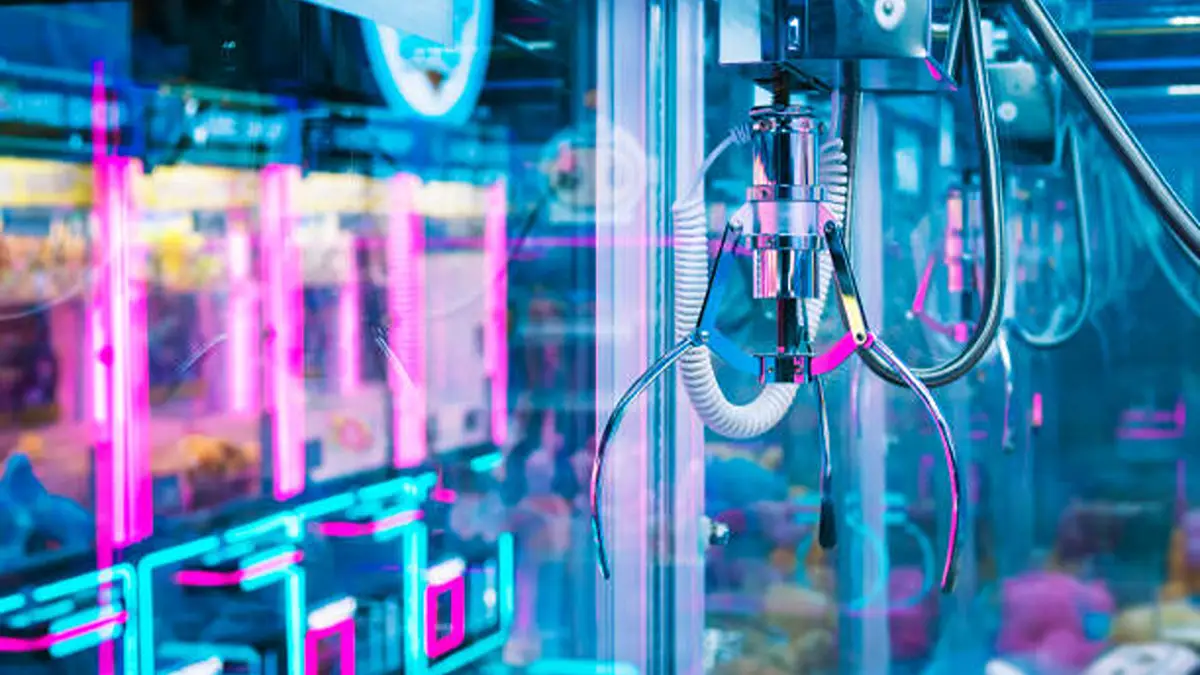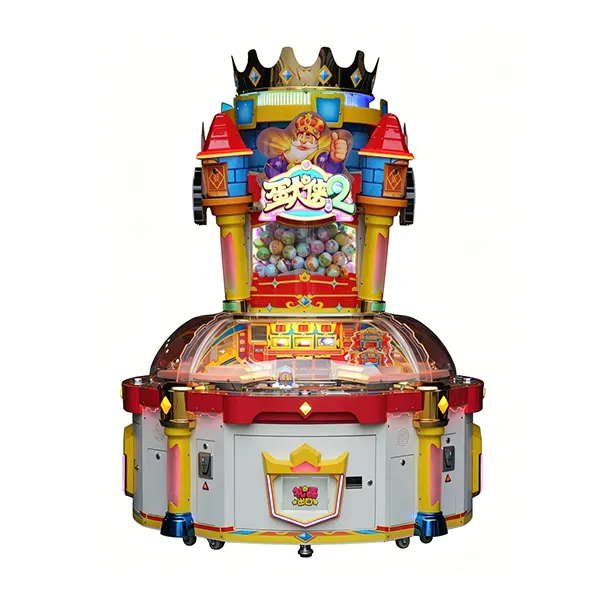
Selecting a reliable claw machine manufacturing process is critical for maintaining equipment stability and reducing long-term maintenance costs. Poor material selection, inconsistent assembly standards, or insufficient testing can increase the risk of alignment issues and component failures during commercial operation.
This guide explains the major stages involved in commercial pençe makinesi üretme, Kabin imalatı ve mekanik montajdan yazılım kurulumuna ve kalite testlerine kadar. It also highlights key factors such as material selection, component reliability, and factory inspection processes that influence machine performance.
Overview of the Claw Machine Manufacturing Process
The commercial claw machine manufacturing process demands tight synchronization across 3D CAD prototyping, CNC steel fabrication, multi-axis motor integration, and rigorous multi-day factory burn-in.
Executing a profitable claw machine manufacturing process requires moving a concept from virtual 3D CAD modeling to a physically calibrated arcade cabinet in 6 ile 14 weeks. Industrial builders must balance structural durability with precise gameplay configuration to ensure immediate reliability when the machine arrives on the venue floor.
Product Concept, Design, and Prototyping
Engineering teams map out the structural envelope and electrical pathways first using detailed digital designs. This stage locks in critical physical parameters before any metal sheets enter the production floor.
- Virtual 3D CAD Modeling: Engineers draft cabinet dimensions, component clearances, and cable paths to verify space allocations for power supplies and the overhead gantry.
- Staged Prototyping: The design matures through physical review, basic functional mock-ups, and production-grade pilot prototypes to validate overall mechanical clearances.
- Baseline Verification: Engineering teams confirm claw specifications, payment system compatibility, and applicable safety requirements for the target market.
Cabinet Fabrication and Surface Treatment
Arcade environments subject cabinets to continuous physical stress. Heavy-gauge materials and high-precision CNC machinery prevent structural flexing and ensure the machine maintains its alignment over years of active play.
- Precision CNC Fabrication: Lasers cut cold-rolled steel sheets to precise thicknesses between 1.5 mm and 2.0 mm, and automated bending lines form the cabinet corners.
- MIG Welding: Welder teams assemble the structural chassis to withstand heavy player physical interactions in high-traffic public venues.
- Powder Coating: Automated dust-free booths apply multi-layer electrostatic powder coatings to provide scratch resistance and reliable rust protection.
Mechanical System and Motion Assembly
The mechanical gantry controls the claw’s movement during gameplay. Reliable motors, accurate alignment, and properly calibrated components help ensure smooth operation and a consistent player experience.
- Drive Motor Integration: Technicians install suitable DC or stepper motors to control carriage movement across the X, Y, and Z axes, with specifications selected according to machine size and gameplay requirements.
- Claw Solenoid Calibration: The assembly team mounts three-finger or four-finger metal claws adjusted for specific target prize dimensions and weights.
- Gantry Alignment: Assembly lines secure parallel overhead rails and set travel limit switches to prevent structural binding and glass cabinet collisions.
Electronic Integration and Harness Routing
Arcade electronics must operate in safe low-voltage domains while staying entirely clear of the active overhead gantry. Clean wiring paths simplify troubleshooting and prevent signal noise.
- Control Board Mounting: Assembly workers mount the main PCB, power supply units, and payment hardware such as coin or card readers inside accessible service compartments.
- Wiring Harness Routing: Technicians route labeled, spiral-wrapped copper wiring along dedicated paths to keep power lines isolated from moving parts.
- Auxiliary Component Wiring: Sub-assembly lines connect the LED light strips, speakers, and high-precision infrared prize-drop sensors directly to the logic board.
Software Configuration and Game Logic Calibration
Firmware controls the balance between player engagement and operator profitability. Programming must align the physical claw grip strength with the operator’s targeted payout metrics.
- Operational Programming: Coders program game countdown timers, joystick dead zones, movement speed limits, and gantry home coordinates.
- Grip Power Configuration: Technicians configure claw strength settings and gameplay parameters according to machine design, prize characteristics, and local operating requirements.
- Localization Setup: Software settings localize on-screen display text, promotional voice prompt libraries, and idle attract-mode lighting patterns.
Quality Assurance and Functional Testing
Pre-shipment verification prevents dead-on-arrival issues. Factories run each machine through repeated play cycles to catch early-life component failures before the unit is crated.
- Factory Burn-In: Completed machines run continuous active cycles for 24 ile 72 hours to evaluate the endurance of the motors and control PCBs.
- Electrical Safety Verification: Testers measure grounding resistance, verify circuit insulation, and monitor line voltage stability under peak mechanical loads.
- Structural Inspection: Quality control inspectors verify frame squareness, door lock tightness, and surface powder-coat consistency.
Ambalajlama, Logistics, and On-Site Calibration
The logistics phase determines whether the claw machine arrives in operational alignment. Securing the sensitive overhead mechanics prevents costly transit damage over long-distance routes.
- Transit Protection: Packers lock the moving gantry carriage in place with protective straps, wrapping the outer chassis in foam panels and heavy-duty wooden crates.
- Container Loading: Loading plans arrange the crated machines to reduce vibration, prevent stacking stress, and protect structural edges from maritime humidity.
- On-Site Calibration: Once the machine is in position at the venue, technicians level the cabinet, verify local electrical line voltage, and calibrate the claw’s holding strength to the operator’s actual prize inventory.
Research and Development Behind Modern Claw Machines
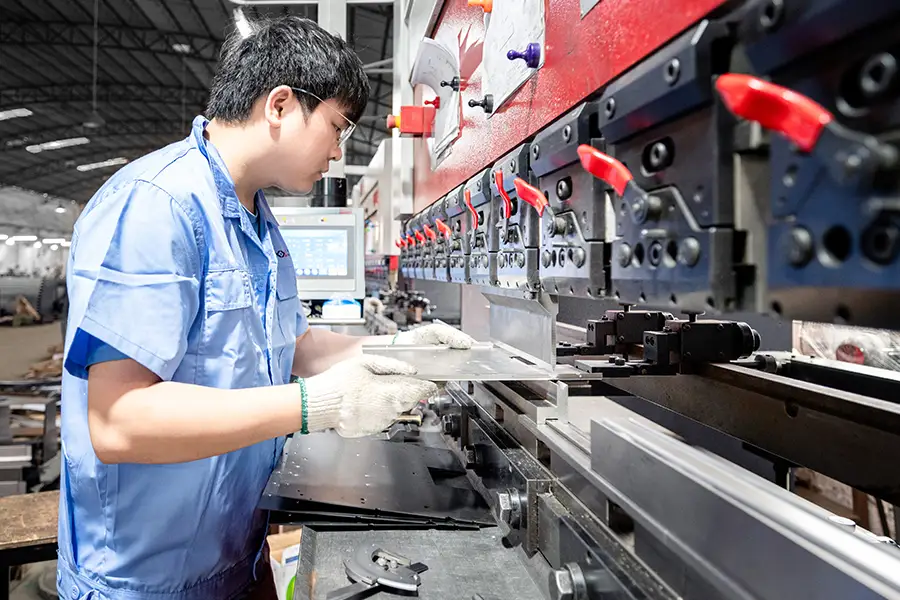
Modern claw machine R&D leverages precision gantry engineering, automated telemetry, and dynamic payout software to maximize operator margins and equipment uptime.
When an arcade crane breaks down during a peak weekend, operators lose both immediate play revenue and customer trust. This operational vulnerability explains why modern claw machine research and development focuses heavily on structural durability, real-time control calibration, and remote diagnostics.
Mechanical Engineering and Precision Gantry Design
Industrial-grade crane gantries require absolute dimensional stability to survive millions of duty cycles. Mechanical engineers have systematically redesigned the structural frame, moving away from flimsy sheet metal toward rigid, lightweight alloy gantries.
- Brushless DC Motors: Replacing traditional brushed configurations to secure higher torque-to-weight ratios and eliminate brush wear points.
- Modular Claw Assemblies: Engineering plug-and-play claw units that operators can swap in less than five minutes, allowing rapid prize adaptation.
- Software-Defined Solenoids: Utilizing precise voltage mapping to maintain consistent electromechanical closing force across varying coil temperatures.
By reducing the physical mass of the carriage and optimizing structural rigidity, these updated gantries limit carriage swing. This mechanical stability ensures that the claw drops exactly where the player intends, preserving the perception of fair play while preventing belt wear.
Embedded Control Systems and Algorithmic Payout Logic
At the heart of every modern cabinet sits an integrated microcontroller running dedicated firmware. This electronic architecture coordinates simultaneous axis movements, monitors current spikes to prevent motor damage, and executes the game’s core economic logic.
- Dynamic Tension Control: The system allows operators to adjust claw strength and gameplay parameters based on machine configuration, prize types, and venue requirements.
- Real-Time Calibration: Firmware constantly measures motor speed profiles and automatically compensates for minor physical resistance or belt stretch.
- Dual-Mode Compliance: Flexible Game Configuration: Operators can adjust gameplay settings to match different operating models, venue requirements, and regional regulations.
This granular control lets fleet owners calculate their margins with scientific precision. Instead of manually adjusting analog dials, operators configure their desired win ratios through secure digital menus, ensuring predictable profitability across multiple venues.
Telemetri, Data Analytics, and Remote Fleet Management
Dispatching technicians to physically change settings or read coin counters is an operational bottleneck. Modern B2B fleets leverage continuous connectivity to transform physical cabinets into highly managed, cloud-connected assets.
- Real-Time Telemetry: Systems push session play counts, precise payment distributions, and error logs directly to online dashboards.
- Over-the-Air Updates: Firmware Over-the-Air (FOTA) protocols allow operators to update game logic, adjust pricing, or flash bug fixes without visiting the venue.
- Automated A/B Testing: Operators can match hardware parameters with live revenue data to isolate which prize densities or payout curves generate the highest ROI.
This deep integration cuts route-management labor costs. When settings can be pushed across thousands of machines simultaneously, scaling up operations no longer requires a proportional increase in maintenance personnel.
Hardware Security, Sensing, and Anti-Cheat Technology
Amusement machines in public spaces face continuous physical abuse and sophisticated cheating attempts. Protecting the cash box and prize inventory requires a multi-layered sensing framework that actively monitors physical and electrical feedback.
- Closed-Loop Positioning: Optical and magnetic encoders track the exact gantry coordinates, instantly correcting carriage drift or teeth-skipping.
- Multi-Axis Accelerometers: Integrated tilt sensors identify unauthorized rocking or shaking, triggering alarms and instantly dropping the claw payload.
- Current-Sensing Loop Protection: Microcontrollers monitor motor current draws; if a claw snags on a prize or structural panel, the system cuts power to prevent motor burnout.
These protective measures safeguard expensive mechanical sub-assemblies. By preventing physical exploits and electrical overloads, the cabinet maintains continuous uptime while reducing spare parts overhead.
AI Integration and Predictive Maintenance Analytics
The transition to intelligent systems introduces predictive capabilities that stabilize machine performance. Machine learning algorithms process historical operational metrics to convert reactive maintenance into a proactive scheduling model.
- Predictive Component Analysis: Deep models analyze motor temperature curves and travel times to flag gantry wear before a total mechanical lockup.
- Dynamic Performance Monitoring: Advanced systems can collect operational data such as usage frequency, error records, and component performance to support maintenance planning and equipment management.
- Velocity-Based Replenishment: AI models analyze the local prize drop rate to estimate exact restocking days, keeping the visual presentation appealing.
Using these data-driven layers allows amusement operators to optimize their field labor. Instead of checking healthy machines, technicians travel only to units showing early signs of wear, driving down operational costs across the board.
Maximize Arcade Profits With TKY Claw Machines

Materials and Components Used in Production
Choosing the right raw materials directly dictates a claw machine’s operational lifespan, vandalism resistance, and long-term maintenance costs in high-traffic commercial environments.
Operators often struggle with structural warping and alignment drift after deploying new amusement equipment. Selecting the right materials and components used in production directly determines whether a machine survives the daily physical strain of a busy family entertainment center.
Core Structural Frames and Cabinet Enclosures
Heavy-duty commercial frames rely heavily on structural rigidity to maintain gantry alignment under continuous vibration and aggressive gameplay.
- Cold-rolled steel: Premium cabinets use 1.5 ile 2.0 mm thick sheets, while standard builds utilize 1.2 ile 1.5 mm sheets for the main skeleton.
- Low-cost alternatives: Budget machines feature thin 0.8 mm steel sheets or mixed metal-wood frames, reducing production costs but compromising structural stability.
- Enclosure panels: Standard plywood and MDF offer cost-effective indoor utility, whereas marine-grade plywood provides essential moisture protection in humid climates.
- Aluminum frames: This lightweight option serves modular setups and custom builds, effectively lowering global shipping weight.
Choosing thin steel or hybrid wood frames saves upfront capital, but it typically leads to alignment drift, accelerated wear on the carriage rails, and shorter operational lifespans.
Transparent Viewing Windows and Display Panels
High-traffic venues subject viewing windows to constant physical impact and harsh cleaning chemicals, demanding resilient transparent barriers.
- Tempered glass: Commercial installations widely use tempered glass due to its exceptional scratch resistance and long-term optical clarity.
- Acrylic (PMMA): A lightweight, shatter-resistant alternative with an elastic modulus of approximately 3000 MPa, making it easy to cut and shape.
- Acrylic vulnerabilities: PMMA panels lower the overall cabinet weight but remain highly susceptible to surface scratches and stress cracking over time.
While acrylic cuts transport costs and resists shattering, tempered glass remains the superior choice for high-volume commercial venues where surface scratches degrade the player’s view and lower capture trust.
Mechanical Claw and Gantry Motion Assemblies
The mechanical drive assembly executes hundreds of physical drops daily, requiring heavy-duty alloys and precision tolerances to prevent calibration errors.
- Claw assemblies: Manufacturers use rugged steel alloys or industrial-grade metals to withstand repetitive impact and mechanical strain.
- Gears: High-performance builds integrate nylon or metal gears to minimize backlash, prevent operational tracking drift, and maintain smooth travel.
- Motors: Precision stepper motors drive the gantry movement, coordinating exact claw positioning above the prize bin.
Investing in metal gears and stepper motors prevents the slow coordination drift that plagues budget machines, ensuring players experience predictable claw targeting.
Control Electronics, Sensörler, and Branding Finishes
Reliable power distribution and protective exterior coatings safeguard the sensitive logic systems from power spikes and physical environmental damage.
- Central control loop: The core system integrates a dedicated PCB, power supply, optik sensörler, payment acceptors, and robust wiring harnesses.
- LED systems: Low-energy LED strips provide targeted illumination and visual accents around the prize chute and cabinet frame.
- Exterior finishes: Factories apply protective powder coatings to steel parts to resist rust, finishing them with UV-printed vinyl wraps for branding.
Clean wiring harnesses and durable powder coats reduce troubleshooting downtime, keeping payment acceptors online and the machine earning consistently.
Engineering Tradeoffs and Material Lifespans
Component lifecycle analysis helps operators evaluate initial capital expenditure against expected multi-year returns.
- Premium steel (1.8 mm): Yields an estimated operational lifespan of 8 ile 10 years in high-traffic family entertainment centers.
- Standard steel (1.2 mm): Typically lasts 3 ile 5 years before showing signs of structural wear.
- Budget metal (0.8 mm): Generally requires complete cabinet replacement or major rebuilds within 1 ile 2 yıllar.
- Wood-based panels: Lower initial material costs but fail to match the vandalism resistance and durability of full metal enclosures.
Sourcing standard or budget cabinets under 1.2 mm thickness often triggers a cycle of frequent repairs, ultimately wiping out any initial purchase savings.
Assembly Process Inside a Professional Factory
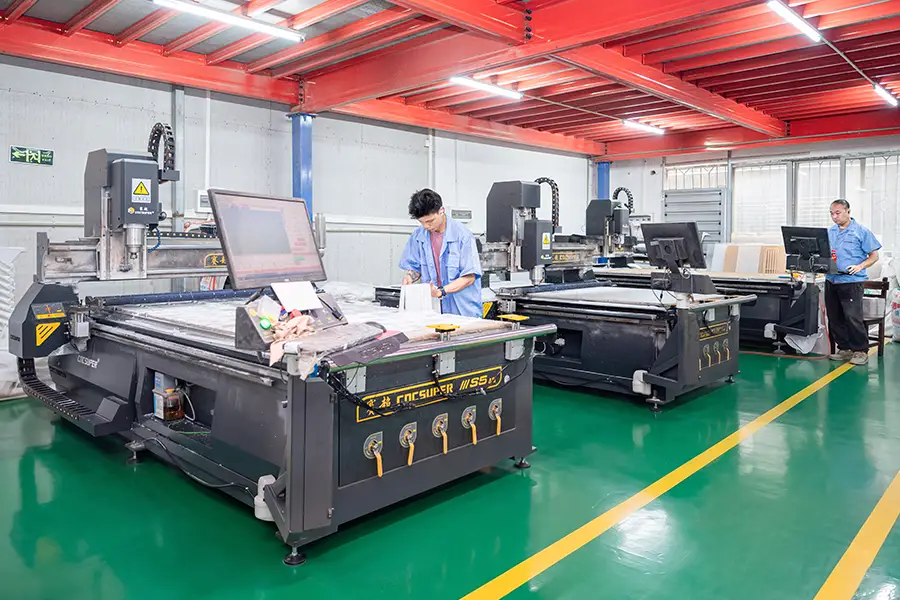
We break down the step-by-step assembly process that transforms raw steel, wiring harnesses, and control boards into high-yield commercial claw machines under strict quality control standards.
How does a stack of sheet metal become a revenue-generating asset on your arcade floor? Understanding the assembly process inside a professional factory helps buyers separate durable commercial machines from fragile, high-maintenance alternatives.
| Assembly Phase | Core Components | Key Specifications |
|---|---|---|
| Structural Integration | Dolap, temperli cam, access doors | 1.0–2.0 mm cold-rolled steel, powder coated |
| Mechanical Assembly | X/Y/Z gantry, claws, limit switches | Pre-assembled modular claw sub-assembly |
| Electrical Integration | Wiring harnesses, main control board, Güç kaynağı | Shielded, organized, and labeled routing |
| Cosmetic & HMI | Joystick, start buttons, LED strips, graphics | Programmed LED cycles, responsive inputs |
| Testing & QA | Control system firmware, grounding checks | 24-to-72-hour continuous burn-in cycle |
Cabinet and Frame Structural Integration
A arcade claw machine requires a rigid foundation to handle player physical interactions and constant transportation. Technicians build the core structure using a sequence of metal forming and panel integration tasks.
- Steel Sourcing: The factory sources and inspects cold-rolled steel sheets, typically 1.0–2.0 mm thick, treated with anti-rust powder coating.
- Frame Alignment: Fabricators square the steel frame with precision to ensure X/Y overhead gantries run smoothly without binding.
- Security Panels: Assembly teams install safety-tempered glass or acrylic panels alongside secure, lockable prize and service access doors.
Mechanical Sub-Assembly and Gantry Installation
Before mounting anything inside the cabinet, the factory prepares critical moving parts offline. This parallel process ensures that every electromechanical module operates smoothly before final system integration.
- Offline Verification: Operators pre-assemble claws, solenoids, motorlar, and gearboxes off-line for functional pre-checks.
- Gantry Positioning: Engineers mount parallel X/Y overhead track systems, the central carriage, and the vertical Z-axis mechanism.
- Safety Offsets: Teams set mechanical stops and limit switches to prevent physical collisions with cabinet walls.
Electrical Integration and Wiring Harness Routing
Unorganized wiring leads to electrical noise, signal dropouts, and maintenance headaches. Professional factories treat the electrical system with the same precision as high-end industrial automation.
- Harness Management: Assembly lines route labeled, organized, and shielded wiring harnesses using protective sleeves to eliminate electrical noise.
- Thermal Venting: Technicians mount the main control board and power supplies in ventilated compartments to prevent thermal buildup.
- Input Connections: Electricians connect coin acceptors, fatura doğrulayıcıları, or card readers directly to the main PCB input channels.
HMI, Kontroller, and Cosmetic Finishes
A player’s first impression depends on visual style and control responsiveness. This phase details how the factory integrates user interfaces and cosmetic touches onto the cabinet.
- HMI Hardware: Workers install responsive joysticks, start buttons, instruction screens, and directional audio speakers.
- Lighting Packages: Technicians fit cabinet interiors, marquees, and edge channels with programmed decorative LED strips.
- Cosmetic Accents: Staff apply branded external decals, toppers, and protective edge guards to secure the unit during transit.
Yazılım Kalibrasyonu, Burn-In, and Quality Testing
Before shipment, completed machines undergo functional testing to ensure that software settings, mechanical movement, and electronic systems work together properly. This helps reduce installation issues and improves the operator experience.
- Firmware Programming: Software specialists flash control system firmware to calibrate claw strength profiles, game timers, and payout percentages.
- Endurance Aging: Factories subject every completed machine to a continuous 24-to-72-hour burn-in cycle to identify early component failures.
- Final Approvals: Inspectors perform electrical grounding tests, structural stability checks, and final quality inspections before packing.
This systematic assembly and testing pipeline ensures that every shipped machine lands on your venue floor ready to earn, minimizing initial setup friction and long-term operating costs.
Software Integration and Function Testing
Successful claw machine deployment relies on aligning hardware mechanics with precise game logic, secure payment APIs, and real-time cloud telemetry to guarantee stable commercial returns.
Firmware Configuration and Control Mapping
Flashing the base firmware onto the main controller represents the first critical step in claw machine software integration and function testing. Technicians write this foundational code using physical interface options like JTAG, ISP, USB, or SD card inputs depending on the board architecture.
- Base Firmware Interface: Direct programming via JTAG, ISP, USB, or SD cards loads the operating system to flash memory.
- Core Operational Limits: Programmers write rules dictating claw coordinate boundaries, horizontal travel speed limits, and game play timers.
- Control Routine Mapping: Input lines map physical controls like 4-way joysticks, start buttons, and payment triggers to specific firmware sequences.
Payment and Smart UI Integration
Commercial amusement equipment must accept diverse payment types and present a clear interface to players. This phase links currency inputs and touch controllers to the master processor.
- Payment APIs: Serial connection protocols integrate coin comparators, fatura doğrulayıcıları, and magnetic/NFC card readers for zero-latency credit handling.
- Interactive Touchscreens: Mounting and loading a 10-inch touchscreen displays custom service menus, brand graphics, and hardware diagnostics for route staff.
- Cloud Telemetry Links: Integrated modems transmit revenue statistics, play-to-win counters, and component error logs directly to remote operator dashboards.
Core Functional and Gameplay Testing
Assembled gantries and electronic boards undergo live gameplay testing to eliminate early component failures and ensure predictable player interaction.
- State Transition Loops: The controller runs continuous plays to verify state transitions from attract mode to credit insert, active play, win detection, and reset.
- Three-Axis Motion Check: Running manual and automated cycles verifies smooth claw carriage movement across X, Y, and Z rails with zero binding.
- Motor Signal Tuning: Adjusting the acceleration curves in software prevents gantry stepper or DC motors from stalling or overheating under heavy usage.
Safety, Sensor, and Grip Strength Calibration
Tuning hardware tolerances and payout limits directly influences the operator’s long-term return on investment.
- Algorithmic Payouts: Technicians program randomized probability rules to hit a target payout rate of 20% ile 40% based on recent play histories.
- Solenoid Voltage Profiling: Software-controlled voltage regulation alters claw grip power across different phases (high-voltage grab, low-voltage carry) to match prize weight.
- Prize Chute Verification: Break-beam infrared sensors undergo verification tests to guarantee instant payout recognition and avoid credit exploit loopholes.
- Electrical Safety Grounding: Technicians test grounding paths on metal frames, check harness insulation, and inspect safety barriers to comply with arcade safety standards.
On-Site Setup and Acceptance Testing
Final setup on location ensures local conditions do not compromise mechanical or electronic performance before opening the machine to players.
- Power and Network Verification: Field checks confirm power outlets match regional voltage requirements and verify cellular or Wi-Fi connectivity for data sync.
- Environmental Tuning: Operators calibrate internal LED brightness, speaker decibel ranges, and attract sounds to align with surrounding venue noise and ambient light.
- Joint Verification Audits: Technicians and route managers run test payments and verify remote server connectivity to guarantee reliable payout performance.
Quality Control Before Shipment
Our quality control process includes structural inspection, electrical testing, and gameplay verification before shipment, helping ensure machines arrive ready for installation and operation.
Implementing strict testing before cargo loading prevents the logistics team from delivering defective machines. When heavy equipment travels thousands of miles by sea, even minor assembly oversights quickly turn into costly on-site service calls.
Mechanical Calibration and Structural Integrity
Shipping a machine that binds, rattles, or suffers from claw drift on arrival ruins the operator experience immediately. Physical stress testing confirms the cabinet survives rough road freight and long ocean voyages.
- Cabinet Stress Audits: Technicians inspect the overall cabinet structure, alignment joints, and tempered safety glass under physical loads to confirm structural rigidity.
- Gantry Travel Verification: The QA team verifies smooth, unobstructed X-Y-Z travel of the claw carriage across the entire prize display area to prevent binding.
- Claw Tension Testing: Calibrating claw grip strength across its full range of software settings ensures the voltage-to-grip ratio does not drift during continuous play.
Locking down the mechanical tolerances at the factory means the crane assembly maintains its precision alignment, even after experiencing standard transit vibrations.
Electrical Safety and Circuit Reliability
Electrical faults present a dual threat of operational downtime and severe liability issues. Insulating components properly protects the players, the service technicians, and the venue staff.
- Grounding and Insulation Testing: Inspectors conduct insulation resistance checks on metal enclosures to safeguard operators and players from high-voltage shock hazards.
- Voltage Tolerance Checks: Running the machine under simulated voltage fluctuations verifies that power supplies and main control boards resist local grid spikes.
- Harness Route Inspection: Technicians check wiring harnesses for secure physical fastening, clean routing paths, and adequate strain relief near moving mechanical parts.
Isolating high-current motor pathways from sensitive microcontrollers prevents system resets and random errors during peak arcade hours.
Play Testing, Ödeme Sistemleri, and Software Verification
A claw machine arcade must capture revenue and track gameplay statistics accurately from the very first coin drop. Flawed transaction processing directly eats into venue profitability.
- HMI and Sensor Responsiveness: Testing teams execute repeated gameplay cycles to verify the responsiveness of the joystick, action buttons, and optical prize chute sensors.
- Payment Gateway Validation: Running physical coins, banknotes, and cashless card transactions confirms proper credit registration and error-free telemetry logging.
- Firmware Menu Audits: Technicians check the system boot sequence, diagnostic menus, and region-specific payout control algorithms to ensure software stability.
Ensuring the payment system syncs cleanly with the mainboard logic guarantees seamless credit validation for global operators.
Dynamic Burn-In and Continuous Operation Testing
Most electromechanical failures occur during the first few hours of operation. Running stress tests at the factory isolates these issues before the product leaves the manufacturing facility.
- Continuous Burn-In Runs: Completed machines run continuously for 24 ile 48 hours to force infant mortality failures in electronic components before packaging.
- Thermal Load Monitoring: Staff monitor core component temperatures on motors, power supply modules, and mainboards during extended play simulations.
- Wear and Fatigue Assessment: Inspecting drive belts, pulleys, and carriage rails after several hundred consecutive cycles reveals premature wear patterns.
Finding and replacing a weak motor or capacitor on the factory line is simple; doing so in a crowded shopping mall costs time, labor, and player goodwill.
Outgoing Quality Control, Ambalajlama, and Transit Protection
Even a perfectly functional machine can become a total loss if shipping preparation falls short. Moisture, salt air, and rough container handling during transit present constant hazards.
- Specification Compliance Audit: Inspectors audit the final physical dimensions, custom exterior wrap artwork, voltage labels, and keys against original customer specifications.
- Marine Corrosion Prevention: Packing teams apply specialized moisture barriers and desiccant packs inside the cabinet to shield sensitive electronics from humid sea voyages.
- Transit Package Verification: Auditing protective corner foam density, cardboard compression ratings, and wooden pallet securing ties ensures stability during container transit.
Immobilizing the overhead gantry trolley inside the cabinet prevents the claw mechanism from slamming against the glass windows during port loading.
Sıkça Sorulan Sorular
Sourcing claw machines for commercial operations requires a clear understanding of global supply chains, manufacturing specifications, and compliance standards. This FAQ guide breaks down the essential production realities that directly impact operator profitability and equipment uptime.
Where are claw machines manufactured globally?
China is the dominant global hub, producing 70% ile 85% of claw machines, specifically within the Guangdong (Panyu) and Zhejiang provinces. These regions provide vertically integrated supply chains for sheet metal fabrication, elektronik, and assembly. Secondary high-end manufacturing clusters exist in Japan, South Korea, Taiwan, Germany, Belgium, and the USA to serve regional premium markets.
What core materials and internal components make up a commercial claw machine?
Commercial claw machines combine a structural cabinet frame made of cold-rolled steel (at least 1.0 mm thick) or aluminum with transparent tempered glass or cast acrylic panels. Inside, the machines feature several specialized components:
- Gantry System: An X/Y/Z-axis gantry driven by high-precision stepper or DC motors with timing belts to guide horizontal movement.
- Claw Assembly: A vertical lift system using steel wire rope paired with a stainless steel or aluminum claw controlled by an electromagnetic copper coil.
- Control Electronics: A main control PCB that executes game logic, power supplies (commonly separating motor and logic power), optical position sensors, and prize detection sensors.
- Payment Integration: Coin acceptors, fatura doğrulayıcıları, or cashless card and QR code readers linked to the motherboard.
How long does it take to manufacture a claw machine?
The production timeline depends on the design complexity and order volume:
- Standard Catalog Models: They usually have shorter production cycles, while customized machines require additional time for design confirmation, prototype approval, and production adjustments.
- Customized Smart Units: Developing customized ODM systems with unique cabinet graphics, custom software, and specialized hardware modules takes 6 ile 16 weeks.
- Bulk Orders: Mass production runs generally require 3 ile 12 weeks after initial sample approval, depending on the queue.
Operators sourcing internationally should account for an additional 2 ile 6 weeks for ocean freight transport and customs clearance.
What safety and environmental certifications are required for claw machines?
Regulatory requirements depend strictly on the target market:
- European Economic Area (EEA): Mandates CE marking, which requires compliance with the Low Voltage Directive (LVD) for electrical safety and Electromagnetic Compatibility (EMC) test. Electronic components must also comply with RoHS and WEEE directives for hazardous substances and electronic recycling.
- Amerika Birleşik Devletleri: Demands UL standards for electrical insulation and fire safety alongside FCC certification to verify limits on radio-frequency interference.
- System Quality: Reliable factories should present ISO 9001 quality management certifications and independent testing reports from bodies like SGS or TÜV to confirm structural safety and material integrity.
How can operators customize claw machines with manufacturers?
Manufacturers provide comprehensive OEM and ODM programs to align machines with brand campaigns or venue floor plans:
- Branding and Aesthetics: Customizable options include physical cabinet dimensions (e.g., mini, double-bay, or jumbo), custom powder-coating, full-body vinyl wraps, 3D illuminated marquees, RGB LED animations, and custom audio files.
- Hardware Modules: Operators can integrate ticket dispensers, coupon releases, capsule vending systems, and various payment systems such as coin comparators, fatura kabul edenler, and cashless RFID or QR-based readers (such as Nayax).
- Game Programming: The motherboard allows fine-tuning of play timers, claw strength voltage profiles (adjusting grip force at pickup versus lift), and payout rate algorithms to target specific profit margins.
Son Düşünceler
While lower-cost machines may reduce initial investment, choosing a claw machine manufacturer with consistent production standards, reliable materials, and proper testing procedures can help reduce maintenance issues and support long-term operation.
Investing in high-gauge cold-rolled steel frames and rigorous 72-hour factory burn-in testing ensures your machines continue to capture revenue while budget alternatives sit dark on the arcade floor. Reliable earning potential starts with industrial-grade engineering that survives the physical demands of high-traffic locations.
We recommend requesting our full product catalog or ordering a sample machine to evaluate our structural finish, gantry tracking, and custom software configuration first-hand.
Our engineering team stands ready to adjust claw sizes, payment hardware slots, and cabinet graphics to match your exact regional regulations and branding requirements. Contact us today to review your custom OEM specifications and secure your next production run.