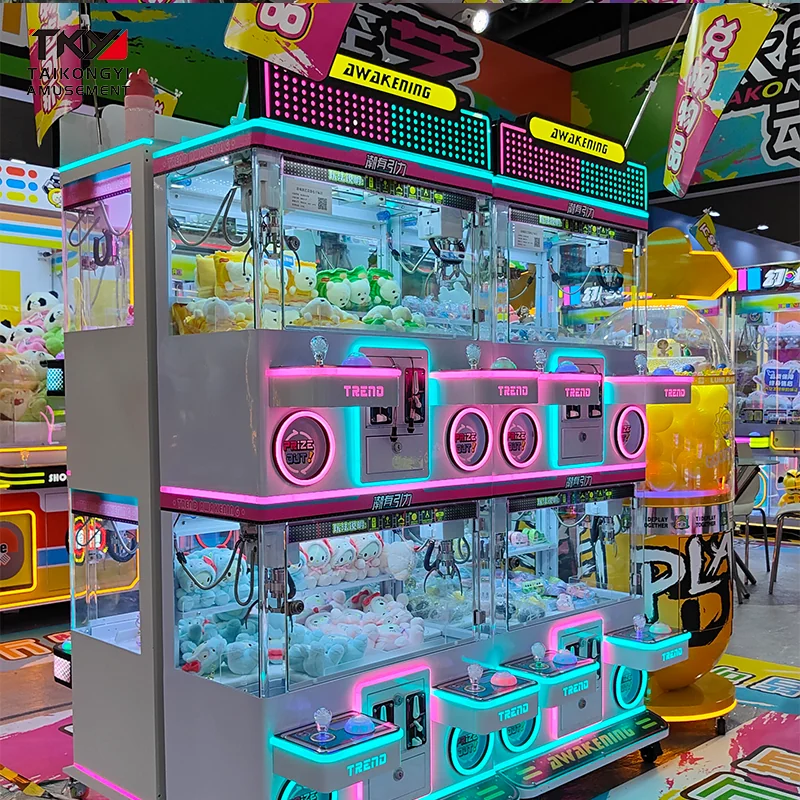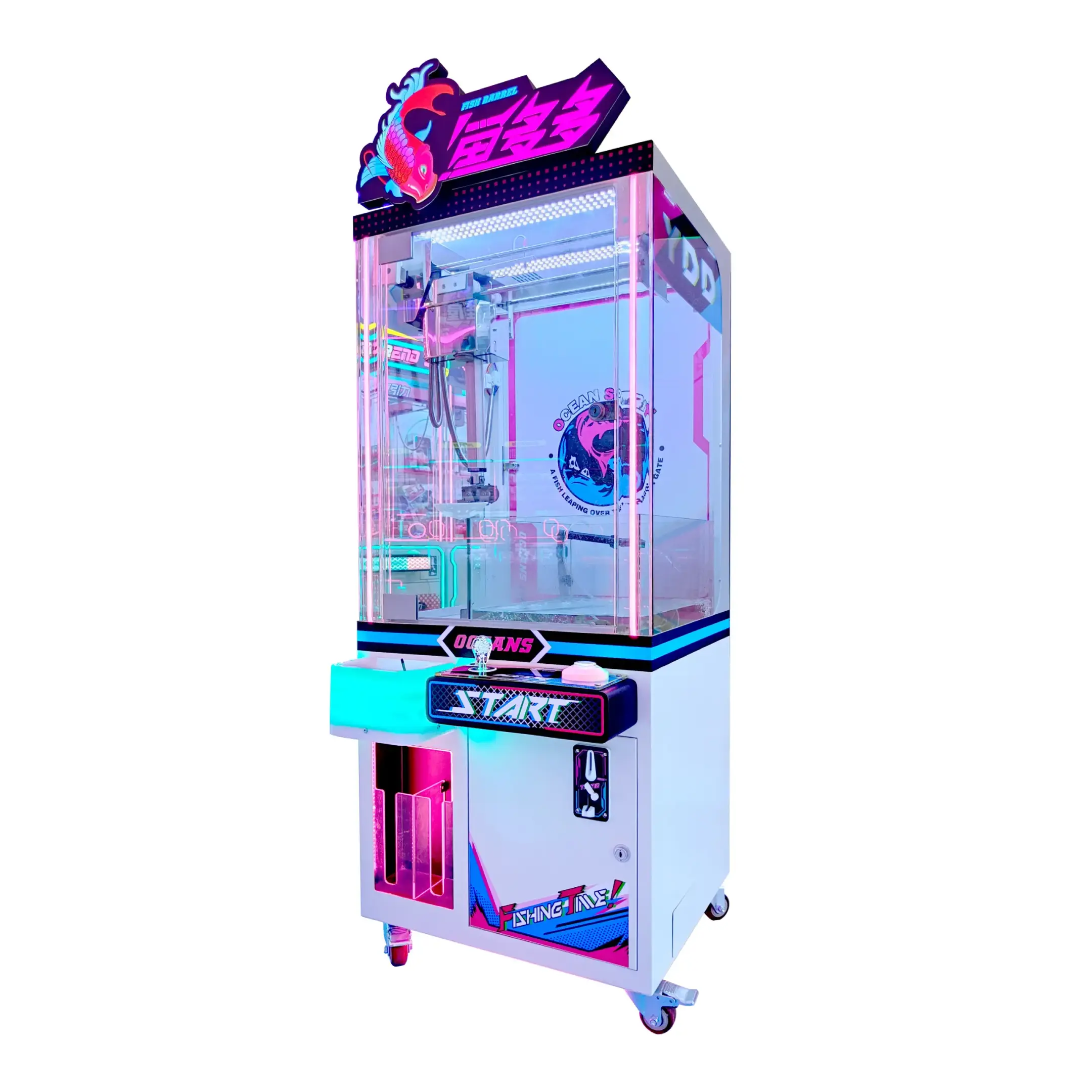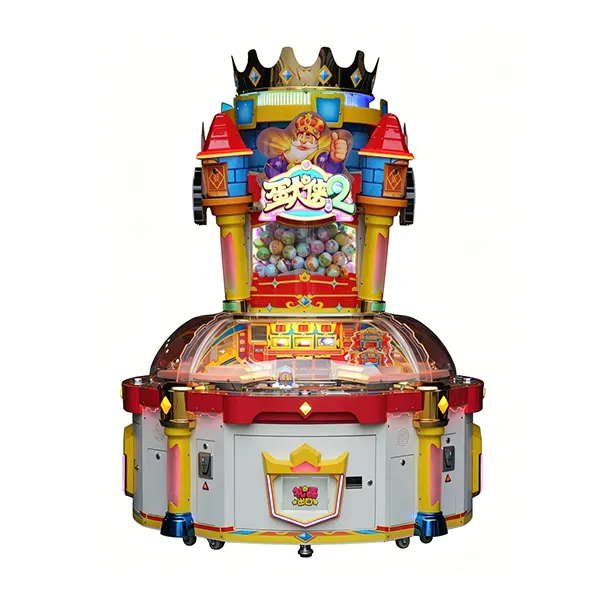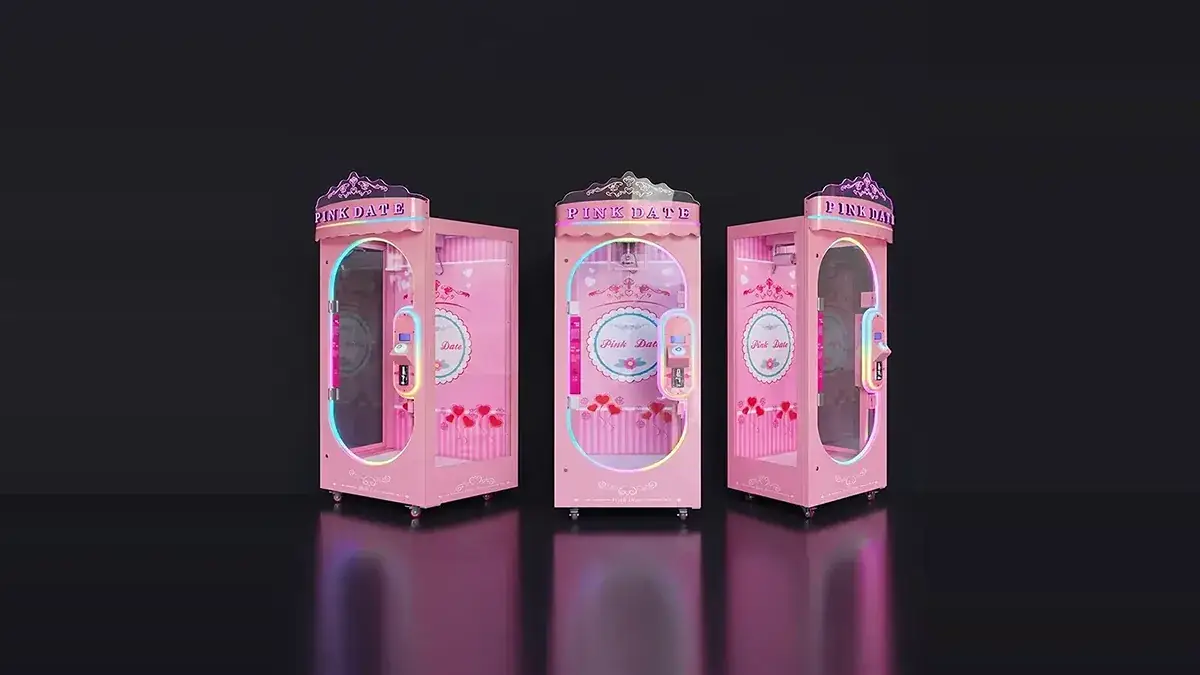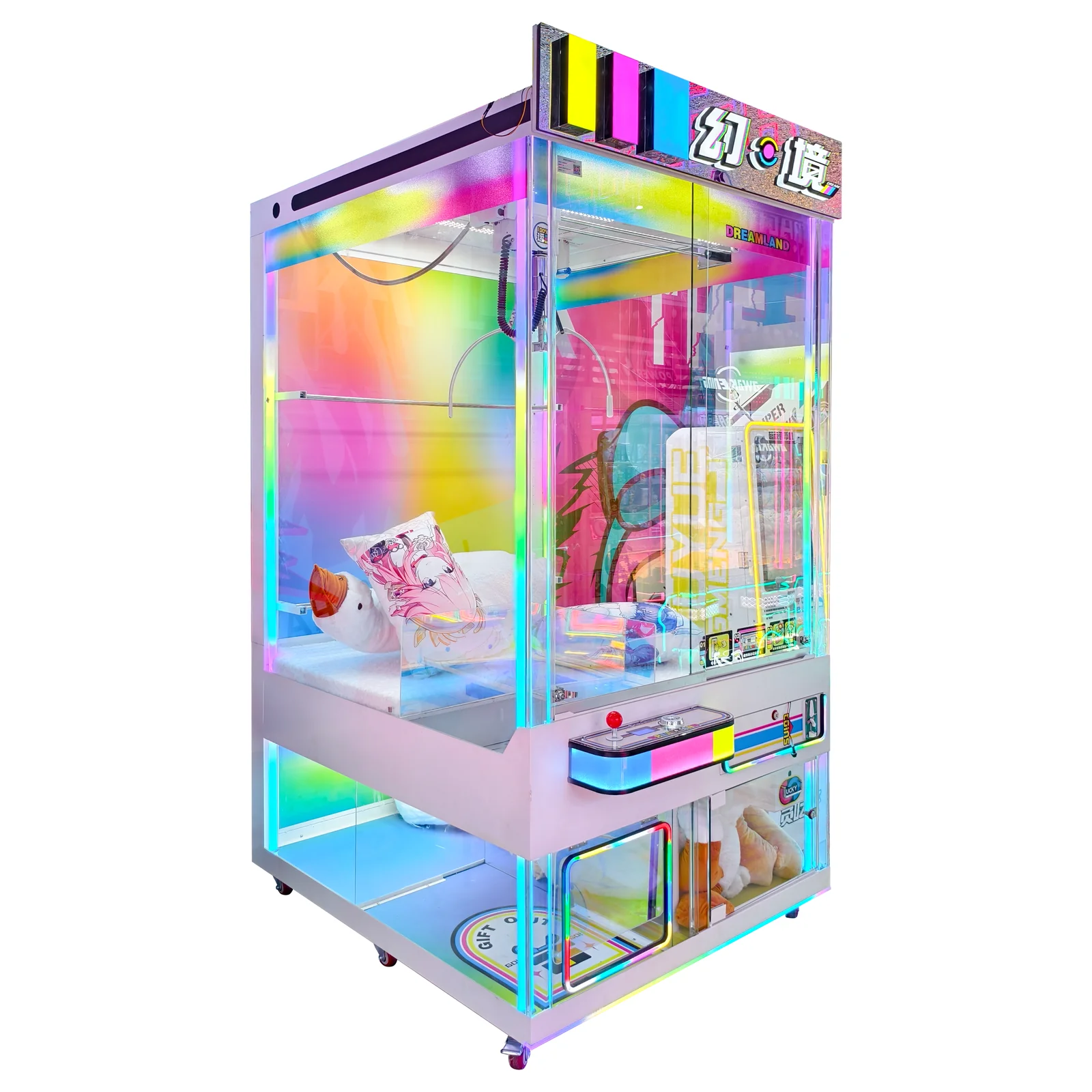
Starting a profitable máy vuốt business requires more than purchasing equipment. Location quality, machine settings, chi phí giải thưởng, and ongoing maintenance all influence how well a machine performs. A practical approach to site selection and machine management can help operators reduce unnecessary costs and make better use of available floor space.
This guide examines common commercial operating models and the factors that influence claw machine revenue. Actual monthly revenue depends on location quality, customer traffic, chơi giá, chi phí giải thưởng, and venue arrangements, making these factors essential when evaluating a machine’s earning potential.
How Claw Machines Generate Revenue for Businesses
Claw machines convert passive floor space into high-margin revenue streams through volume-driven, cash-on-the-spot transactions requiring minimal operational overhead.
Why do some retail floor spots sit empty while others pull in consistent cash without any dedicated staffing? Examining how claw machines generate revenue for businesses reveals a highly automated, foot-traffic-dependent asset class that monetizes empty square footage with minimal direct labor.
Direct Pay-Per-Play and Volume Pricing
The baseline transaction remains straightforward: players exchange immediate cash or digital credits for a single physical attempt. This direct, play-per-play model functions as the primary engine for the machine’s cash flow.
- Pricing Range: Per-play pricing typically varies by location, đối tượng mục tiêu, machine type, and prize quality.
- Low-Traffic Locations: Lower-footfall venues generally generate more modest monthly revenue per machine.
- High-Traffic Entertainment Centers: Busy entertainment venues can generate significantly higher monthly revenue due to stronger and more consistent play volume.
- Premium Transit or Tourist Zones: These locations can deliver above-average monthly revenue when strong foot traffic, extended dwell time, and consistent play volume create favorable conditions for frequent plays.
Sustaining these numbers requires matching the pricing barrier to the surrounding venue’s economic profile, ensuring the entry cost matches the customer base’s impulse spending limit.
High-Traffic Placement and Revenue-Sharing Agreements
Physical positioning determines the daily play volume ceiling. Placing machines in high-dwell corridors where crowds naturally stall—like cinema lobbies, khu ẩm thực trung tâm thương mại, or retail entrances—ensures a steady stream of prospective players.
Most operators deploy through one of two commercial arrangements to access these premium spots:
- Revenue-sharing models: Venue owners receive an agreed percentage of gross collections in exchange for providing floor space and power.
- Flat-rate rentals: Operators pay a fixed monthly fee for the space and retain the remaining revenue after covering the agreed rental cost.
These low-footprint setups allow retail properties to monetize odd, otherwise unleased spaces with zero additional payroll costs.
Prize Cost Structuring and Win-Rate Calibration
Behind the glass lies a precise calculation of cost-to-vend. Operators purchase high-appeal wholesale inventory at a fraction of its perceived retail price to drive maximum player interest.
Unit profitability relies on the following operational controls:
- Sourcing metrics: Target prizes costing around $3 ĐẾN $5 with a perceived value of about $20 to balance prize appeal and operating costs.
- Profit targets: Manage prize costs, chơi giá, and claw settings together to maintain a sustainable margin while keeping the game experience appealing to players.
- Inventory rotation: Refreshing the stock with tiered and seasonal prize choices to prevent stagnant setups.
Tuning the win-rate algorithm too tight drops player interest, while overly loose settings quickly erase the operator’s margin.
Dynamic Pricing Bundles and Ancillary Revenue Streams
Modern operators bypass coin-only limitations to capture a larger share of consumer wallet. Digital interfaces and pricing psychology turn casual observers into active players.
These diversified monetization strategies include:
- Dynamic bundles: Offering incentives such as 5 plays for $4 can encourage customers to purchase multiple plays and increase the value of each transaction.
- Cashless conversion: Utilizing QR payments and mobile wallets to eliminate coin-handling friction.
- Ancillary channels: Leveraging on-machine digital advertising, co-branded prize drops, and private event rentals.
Lowering the entry barrier through digital wallets directly accelerates spontaneous transaction volumes, increasing the customer’s average lifetime value per session.
Fleet Expansion and Telemetry Optimization
Scaling from a single machine to a distributed fleet shifts the business from a side venture to a regional enterprise. Managing multiple spots balances out localized drops in foot traffic.
The scale dynamics operate on key telemetry and investment indicators:
- Telemetry tracking: Using IoT to monitor play counts, manage inventory, and adjust settings remotely to minimize downtime.
- Payback timeline: The time required to recover the initial machine investment varies widely by purchase price, location revenue, chi phí giải thưởng, venue fees, and maintenance expenses.
- Risk diversification: Offsetting underperforming spots with high-volume locations to stabilize regional returns.
Real-time telemetry turns manual operations into a data-driven system, letting operators adjust payout algorithms and address failures before losing peak weekend traffic.
Best Locations for Claw Machine Placement
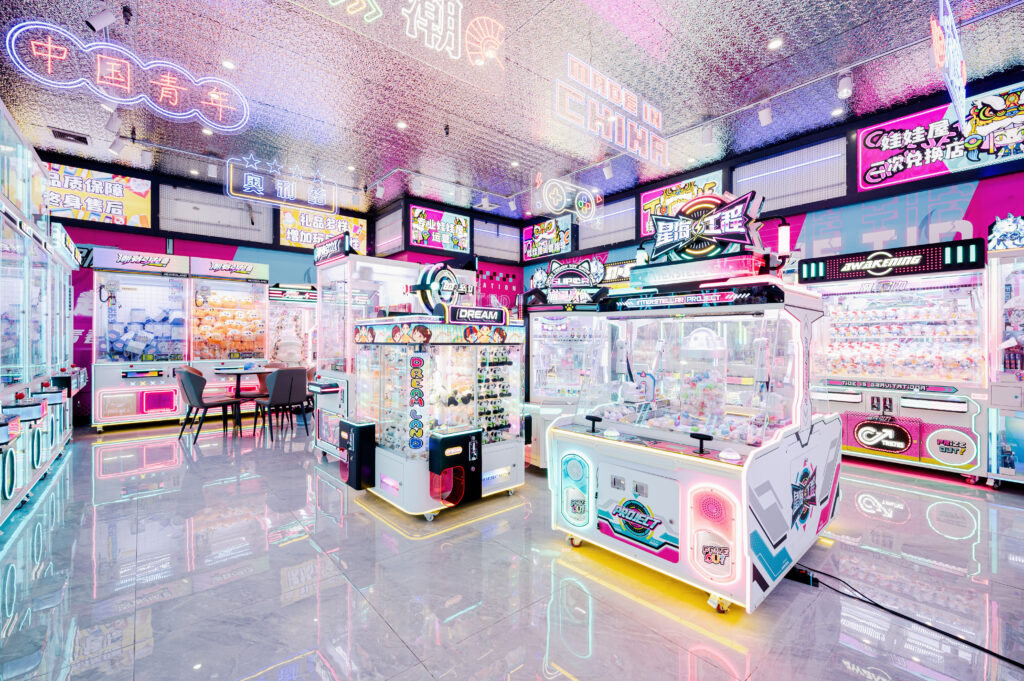
Real-world claw machine profitability depends entirely on the intersection of high foot traffic, extended dwell time, and maximum physical visibility.
Why do some claw machines sit idle collecting dust while others require twice-weekly prize restocks? The answer is rarely the machine itself, but rather finding the best location for claw machines using a disciplined, data-driven approach to placement.
Core Selection Principles and the Performance Scorecard
Evaluating a potential venue requires moving past gut feelings. Successful operators score locations based on a core industry formula that balances traffic quantity with player behavior.
- The Placement Formula: Assess potential locations using four factors: Traffic, Dwell Time, Visibility, and Audience Fit.
- High-Value Sightlines: Prioritize corridor choke points, main entrances, and areas with meaningful dwell time where patrons naturally linger.
- Operational Logistics: Ensure physical feasibility by verifying proximity to power outlets and maintaining compliance with safety and emergency exit clearances.
A site that scores high on raw traffic but lacks dwell time often underperforms. Players must have the physical space to stop, look at the prizes, and decide to play without blocking pedestrian flow.
Highest-Revenue Macro Venue Types
Macro venues dictate the baseline earning potential of your equipment. Different environments yield distinct revenue ranges depending on customer intent and spending mindsets.
- Trung tâm giải trí gia đình: Dedicated arcades and play centers typically generate high play volumes, making them strong locations for consistent machine revenue.
- Trung tâm mua sắm: Central mall corridors and busy food courts can generate steady traffic and regular plays throughout the week.
- High-Dwell Leisure Hubs: Movie theater lobbies, bowling alleys, and supermarket entryways can provide consistent baseline revenue when placed in areas with strong foot traffic.
These venues work because they host people who have already committed to spending money on leisure activities or who have pockets of idle time to fill.
Strategic Micro-Placement Inside Venues
Even inside a high-performing venue, shifting a machine by ten meters can alter your gross collections significantly. Finding the right micro-spot isolates where traffic naturally slows down.
- Vùng xung: Position machines near entrances, lối thoát, and checkout lanes to capture last-minute impulse plays.
- Concession and Waiting Areas: Leverage dining spaces, waiting zones, and snack stands where long dwell times convert idle waiting into active plays.
- Target Demographic Hubs: Place units adjacent to children’s play areas, youth hubs, or rest benches to maximize target audience engagement.
Angling the machine slightly toward incoming traffic rather than placing it flat against a wall increases the physical exposure of your prize display to passing crowds.
Site Evaluation, Testing, and Optimization
Never treat claw machine placement as a static choice. Profitable routes rely on continuous tracking, thử nghiệm, and rapid optimization to maximize yield per square foot.
- Pilot Testing: Conduct four-to-six-week pilot runs to track weekly revenue and establish real-world performance benchmarks.
- Iterative Relocation: Move underperforming machines from quiet, low-conversion corners to higher-visibility walkways.
- Monthly Reviews: Reassess monthly performance data to adjust the machine and prize mix, aligning with seasonal traffic peaks and community demographics.
Regular metric reviews allow you to pull equipment from stagnant venues and redeploy capital directly into high-converting locations.
Build Your Claw Machine Business With the Right Equipment
Factors That Influence Claw Machine Profitability
Claw machine profitability depends on choosing high-dwell locations, managing prize costs, and maintaining reliable machine operation with convenient payment options.
| Profitability Factor | Impact on Revenue & Margin | What to Monitor |
|---|---|---|
| Location & Dwell Time | Determines play volume and strongly influences revenue potential. | Daily traffic, dwell time, visibility, and audience fit |
| Tìm nguồn giải thưởng | Directly affects operating costs and profit margins. | Prize cost, play price, prize value, and inventory turnover |
| Payout Calibration | Balances player experience with prize expenses and repeat plays. | Win frequency, chi phí giải thưởng, and player response |
| Uptime & Payments | Reduces lost play opportunities and makes transactions more convenient. | Machine downtime, payment success, and peak-period performance |
How do operators consistently scale claw machine profitability across competitive commercial spaces? Achieving high margins requires looking past simple coin drops to optimize four distinct operational pillars.
Location Quality and Dwell Time
Foot traffic alone does not guarantee high play volume. Successful operators focus heavily on layout design to find zones where people naturally stop and wait.
- High-Traffic Venues: Shopping malls, family entertainment centers, and tourist spots maximize potential play volume.
- Dwell Time Zones: Placements in zones where people naturally slow down, wait, or queue increase conversion rates.
- Competition Density: High density of nearby competing machines divides player attention and limits individual unit revenue.
Strategic site selection acts as a multiplier. A machine positioned at a high-dwell food court entrance consistently outperforms a unit tucked away in a quiet corridor, regardless of prize quality.
Prize Sourcing and Cost-to-Vend Ratios
Keeping margins sustainable requires strict control over unit economics. Operators must manage wholesale inventory acquisition to prevent cost spikes from eroding margins.
- Target Cost Ratio: Sourcing prize costs between 20% Và 30% of total revenue protects operating margins.
- Perceived Value Sourcing: Items with high perceived value but low wholesale purchase prices encourage plays without driving up expenses.
- Inventory Rotation: Rotating themed or seasonal plush toys keeps the machine visually appealing and attracts repeat players.
Selecting the right prizes prevents margin erosion. When wholesale costs rise too high relative to play pricing, net profits drop rapidly even during high-volume periods.
Claw Calibration and Payout Settings
Operators manage the line between player satisfaction and immediate commercial margins by tuning mechanical settings. Finding the right configuration requires continuous monitoring.
- Calibration Target: Adjusting claw strength and game settings should balance player experience, prize value, and operating costs rather than relying on a single universal payout rate.
- Margin Control: Overly loose mechanical settings inflate prize expenses, whereas highly restrictive settings discourage repeat attempts.
- Demographic Tuning: Adapting difficulty settings to match local audience demographics prevents player frustration.
Customizing difficulty based on local audience demographics is vital. Kid-heavy family diners require more frequent wins to maintain interest, whereas adult-centric bars can support tighter, higher-value setups.
Payment Processing and Machine Uptime
Mechanical and digital infrastructure choices determine how effectively a machine converts foot traffic into captured revenue.
- Cashless Hardware: Adding card readers, thanh toán di động, or QR payment options can reduce payment friction and make it easier for customers to play, particularly in locations where cashless transactions are common.
- Xây dựng chất lượng: Commercial-grade hardware lowers overall maintenance demands and prevents costly operational disruptions.
- Maintenance Response: Quick response to mechanical faults protects revenue during peak weekend foot-traffic windows.
Every hour of downtime during peak weekend hours represents unrecoverable profit. Operators must use durable hardware and real-time remote monitoring to maintain continuous service and capture spontaneous impulse play.
Claw Machines in Shopping Malls and Retail Spaces
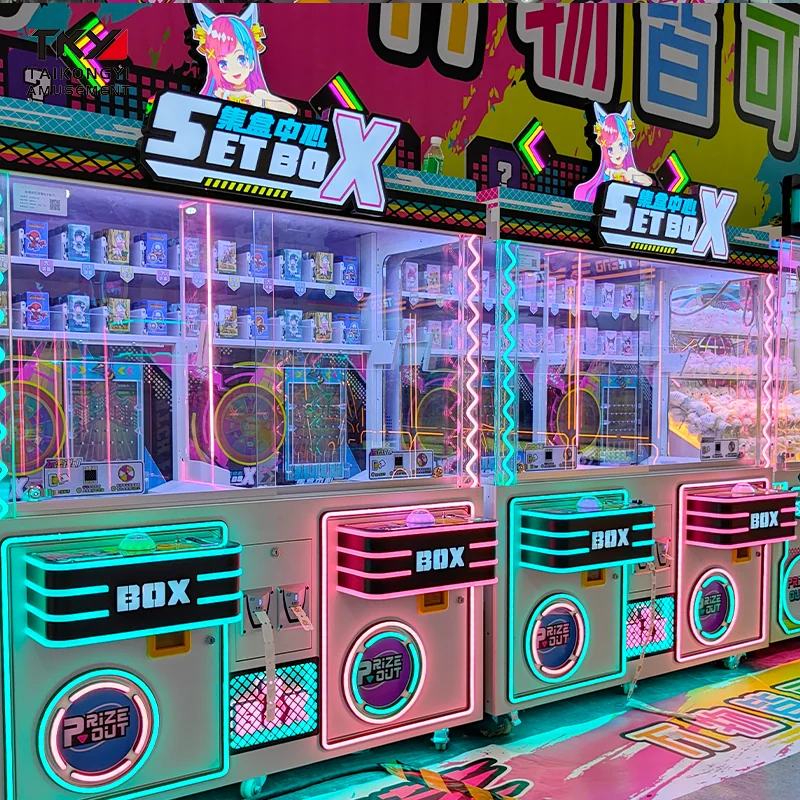
Commercial claw machines can be a practical revenue-generating option for shopping malls and retail spaces, particularly when placed in high-traffic areas with strong customer flow.
How do you extract reliable yield from dead retail real estate like elevator alcoves or food court corners? Deploying claw machines in shopping malls and retail spaces converts underutilized square footage into high-margin revenue zones without increasing payroll.
Revenue Potential and Financial Performance Benchmarks
Mall corridors yield stable returns if you establish sufficient visitor density. Tracking baseline performance ensures you only scale operations in locations capable of supporting high-volume automated sales.
- Gross Monthly Revenue: High-traffic retail locations can generate stronger monthly revenue when supported by good visibility, suitable pricing, and attractive prizes.
- Conversion Rate: Player conversion varies with traffic, visibility, audience, định giá, and prize appeal, so operators should track actual play data by location.
- Payback Windows: Payback depends on equipment cost, revenue, prize expenses, venue fees, and ongoing maintenance.
Quick payback periods and low upkeep costs make these machines highly resilient retail assets, provided foot traffic meets the minimum viable threshold.
High-Traffic Placement and Micro-Location Strategy
Raw foot traffic numbers tell only half the story. To maximize coin-drop, you must target specific zones where consumers naturally slow down and linger.
- High-Dwell Anchors: Food courts, cinema lobbies, and zones near children’s play areas yield higher revenues due to increased family dwell times.
- Aisle Orientation: Positioning machines toward the main flow of pedestrian traffic can improve visibility and make the prize display easier to notice than a machine placed against a poorly visible wall.
- Layout Scalability: Optimal layouts utilize mini-clusters of 3 ĐẾN 6 machines in mall atriums, hoặc 8 ĐẾN 15 machines in dedicated storefronts to capture attention.
- Validation Testing: Operators run 1- to 2-week placement tests to monitor live revenue data and optimize micro-location choices before committing long-term.
A minor adjustment in positioning—angling a machine toward a walkway instead of tucking it into a structural corner—directly alters the unit’s monthly yield.
Leasing Models and Commercial Arrangements with Landlords
Malls value operators who can monetize dead, unleaseable square footage like elevator alcoves, column corners, or ticketing queues. These micro-placements require minimal floor space and present zero tenant risk to the landlord, making lease negotiations highly favorable for operators.
Commercial agreements generally fall into two categories. Standard leasing models typically involve either a revenue-sharing arrangement with the mall or a fixed monthly rental fee per machine.
For larger retail complexes, standardized retail arrangements allow rapid scaling via third-party amusement vendor contracts inside major shopping centers.
Pricing, Payment Systems, and Prize Optimization
Balancing game economics requires precise calibration of play cost, payment convenience, and merchandise appeal. When these elements align, average spend per player climbs naturally.
- Base Pricing and Bundles: Standard pricing typically uses a simple per-play fee, with promotional bundles such as multiple plays for a discounted price helping encourage higher spending per customer.
- Prize Sourcing Strategy: Successful operations stock trendy, high-demand prizes that offer an attractive balance between acquisition cost and perceived retail value.
- Win-Rate Calibration: Game settings should be tested against the machine type, prize value, play price, and local requirements to provide a reasonable balance between challenge, player satisfaction, and operating costs.
- Hybrid Payment Units: Hybrid payment units that accept coins, quẹt thẻ, and mobile QR codes streamline transactions and enable automated sales.
Removing transaction friction with cashless systems often unlocks impulsive repeat plays that coin-only configurations miss entirely.
Maintenance Routines and IoT Operational Management
Uptime is critical. A malfunctioning machine or an empty cabinet damages player trust and stops revenue instantly. Structured preventive care preserves your yield.
- Weekly Maintenance: Regular checks should cover prize levels, glass cleanliness, hệ thống thanh toán, claw movement, and other visible operating components.
- Quarterly Mechanical Care: Monthly and quarterly routines cover deep gantry calibration, mechanical lubrication, and worn cable replacement.
- IoT Telemetry Systems: IoT-connected telemetry systems allow operators to remotely monitor real-time play counts, error alerts, and prize stock levels.
Using telemetry allows operators to transition from costly reactive repairs to a data-driven replenishment schedule, maximizing route efficiency.
Developing a retail claw machine operation relies on systematic site testing, disciplined prize sourcing, and immediate hardware maintenance. By securing the right micro-locations within shopping centers and optimizing machine payout settings, operators establish a reliable, passive revenue generator that converts empty floor space into consistent cash flow.
Combining Entertainment With Consumer Experiences
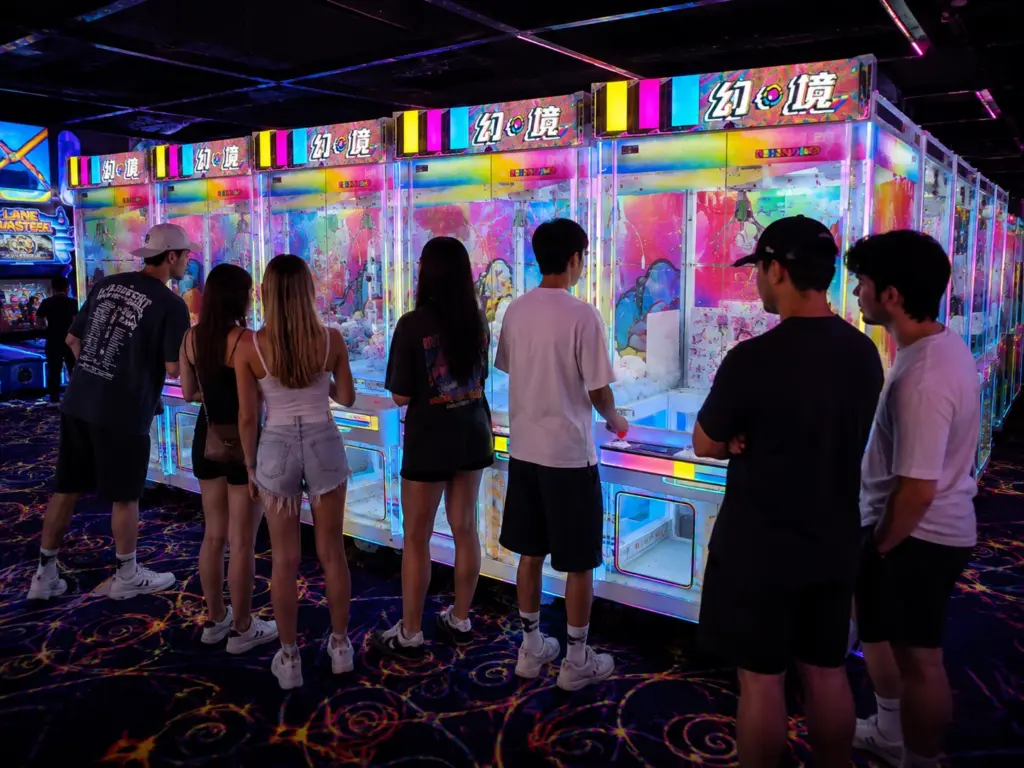
Claw machines succeed by pairing instant psychological reward loops with precise retail placement, converting idle floor space into highly profitable, automated experiential attractions.
When physical retail locations seek practical strategies for combining entertainment with consumer experiences, they often overlook the raw earning potential of amusement devices. Claw machines are not passive toys; they are highly optimized micro-attractions that turn static foot traffic into active, high-margin engagement points.
The Psychology of the Play-and-Reward Loop
Every play is an emotional transaction. The player is not just buying a chance at a prize; they are paying for a brief, self-contained narrative that demands immediate resolution.
- Challenge-Anticipation-Reward Cycle: This rapid, self-reinforcing loop prompts immediate repeat attempts after near-misses, as players believe they can master the claw’s physics.
- Visual Anchoring: Bright, high-visibility merchandising and colorful LED cabinets capture the attention of passersby, converting casual foot traffic into spontaneous impulse plays.
- Social Sharing: Offering photogenic, highly recognizable licensed prizes drives players to post wins on social media, generating organic marketing that attracts new visitors to the machine.
Driving Footfall and Commercial Value in Retail Spaces
Placing a claw machine in an underutilized retail corridor does more than collect spare change. It changes how shoppers interact with the physical space by introducing an interactive element that interrupts shopping fatigue.
- Footfall Generation: Placing claw machines in busy retail areas can create an additional attraction that encourages shoppers to stop, play, and spend more time in the venue.
- Dwell Time and Sales Uplift: Claw machines can add an interactive element to retail spaces, particularly in food courts, family areas, and other locations where customers naturally wait or linger.
- Retention Metrics: Attractive prizes, regular prize rotation, and a satisfying game experience can encourage repeat plays and help maintain customer interest over time.
Modernizing Operations with Cashless and Telemetry Systems
The modern claw machine is a sophisticated, connected IoT device. Transitioning away from coin-only hardware eliminates payment friction and allows operators to manage large fleets from a single dashboard.
- Cashless Integrations: Adding mobile wallets, đầu đọc thẻ, and QR payments regularly boosts revenue by 15% ĐẾN 40% compared to cash-only machines.
- Telemetry Analytics: Real-time remote monitoring tracks hourly play patterns, pinpoints underperforming machines, and manages prize inventory without manual on-site audits.
- Automated Fault Alerts: Where supported, real-time error reporting and remote diagnostic tools can help operators identify problems earlier and reduce unnecessary downtime.
Strategic Optimization of Prizes, Difficulty, and Placement
Profitability is not an accident; it is the result of deliberate calibration. Operators must carefully manage the delicate balance between player satisfaction and unit economics.
- Vị trí vi mô: Positioning machines in high-traffic areas such as mall food courts, cinema lobbies, or entrances can improve visibility.
- Prize Sourcing and Mix: Choose a mix of low-cost, mid-range, and premium prizes based on the machine’s play price and target audience. Rotating prize styles and price points can keep the display appealing while helping control inventory costs.
- Win-Rate Calibration: Adjust claw strength and game difficulty according to prize value and play price. A well-balanced setting should give players a realistic chance of winning while keeping prize costs aligned with the machine’s revenue.
Choosing the Right Machine for Different Business Models
Matching your claw machine specifications directly to your operational model prevents over-investing in unused technology or suffering from catastrophic field downtime.
Single-Location Placement Strategy
How do you maximize passive revenue in a single, independent venue without losing your weekend to maintenance calls? Choosing the right machine for different business models requires aligning physical hardware directly with your on-site oversight capacity.
- Cabinet Durability: Select standard commercial crane machines with highly durable metal cabinets to minimize maintenance visits.
- Tích hợp thanh toán: Implement basic token, coin, or bill acceptor systems suitable for localized, independent venues like laundromats and local diners.
- Floor Placement: Focus on high-dwell areas near entrance ways or waiting zones to capture spontaneous family play.
Multi-Location Route Operations
Scaling across multiple zip codes turns minor maintenance issues into massive logistics bottlenecks. Route operators require centralized oversight and hardware consistency to keep margins predictable.
- Remote Management: Deploy reliable commercial-grade machines equipped with remote telemetry and diagnostic monitoring tools.
- Cashless Hardware: Integrate cashless-ready payment systems to simplify remote collection and tracking across multiple zip codes.
- Calibration Settings: Standardize payout calibration settings across the route to ensure predictable margins and simplified staff training.
Dedicated Claw Arcades and Specialty Stores
High-volume game centers survive on visual variety and fast-paced floor management. When your entire retail footprint depends on claws, a single machine type will not hold a crowd.
- Machine Portfolio: Curate a diverse machine portfolio mixing standard plush cranes, giant showpiece attraction units, and mini-candy claws.
- Payment Network: Establish a centralized cashless network supporting magnetic cards, mobile apps, or RFID wristbands to boost average spend.
- Visual Presentation: Organize the physical layout to maximize floor space, utilizing highly customized cabinet lighting to drive foot traffic.
Event and Pop-Up Rental Activations
Pop-up stores, promotional events, and temporary entertainment spaces can use claw machines to create an interactive attraction with strong visual appeal. For these applications, operators should consider machine size, portability, setup requirements, and branding options when selecting equipment.
- Frame Portability: Prioritize compact, lightweight, or easily transportable claw machine frames built for frequent setup and teardown.
- Branding Customization: Utilize customizable branding panels and programmable LED lighting to align with corporate sponsors or private themes.
- Game Configuration: Configure simple free-play or custom token settings to match short-term marketing objectives rather than coin-op revenue.
Câu hỏi thường gặp
Are claw machines a profitable business to start?
Claw machines can be profitable when equipment cost, location traffic, chơi giá, prize expenses, venue fees, and maintenance are managed carefully. There is no universal profit figure because results vary significantly between locations and operating models. Testing a small number of machines first can help operators understand local demand before expanding.
How much revenue can a single claw machine generate monthly?
A single claw machine can generate very different levels of gross revenue depending on location, play price, traffic, prize appeal, and machine uptime. Busy entertainment and retail venues may outperform lower-traffic locations, but operators should use actual site testing and operating data to establish realistic revenue expectations.
What is the typical startup cost for a claw machine business?
All-in startup costs can vary widely depending on the machine, kho giải thưởng, vận chuyển, payment system, and local business requirements. A basic setup may require several thousand dollars, while higher-end machines and customized installations can require a larger initial investment.
Where are the highest-earning locations for machine placement?
High-dwell-time venues with heavy family and youth traffic perform best. These include shopping mall food courts, movie theater lobbies, family entertainment centers, bowling alleys, and supermarket exits. Placing machines near must-pass zones like main entrances or just past cash registers maximizes impulse play.
How many claw machines should a beginner purchase?
Starting with 3 ĐẾN 5 machines is the ideal default for first-time operators. This small fleet limits upfront capital risk while providing enough data to test different venues, track player behavior, and learn payout calibration. Operators can scale to a larger 10- to 30-machine route or storefront once they validate local demand.
Which prizes are most effective at attracting players?
Plush toys remain the foundational crowd-pleaser, especially licensed or recognizable characters. Operators can encourage repeat plays by using mystery blind boxes, trendy keychains, and high-value chase prizes like small electronics. Rotating 20% ĐẾN 30% of the prize mix every two to three weeks helps keep the machine visually appealing and gives returning players something new to discover.
How do operators optimize machines to increase daily income?
Operators can improve machine performance by testing play pricing, maintaining an attractive prize mix, improving payment convenience, and placing machines where customers naturally stop. Cashless payment and telemetry can also help operators track transactions, uptime, and machine performance where these features are available.
suy nghĩ cuối cùng
Building a profitable claw machine operation requires more than strong foot traffic. Location, chơi giá, prize selection, machine settings, tùy chọn thanh toán, and maintenance all influence overall performance.
For operators planning a new location or expanding an existing route, selecting the right machine configuration and evaluating the site before purchase can help reduce operating risks. If you need claw machines tailored to your venue, đối tượng mục tiêu, or business model, explore custom machine options and contact our team to discuss your requirements.