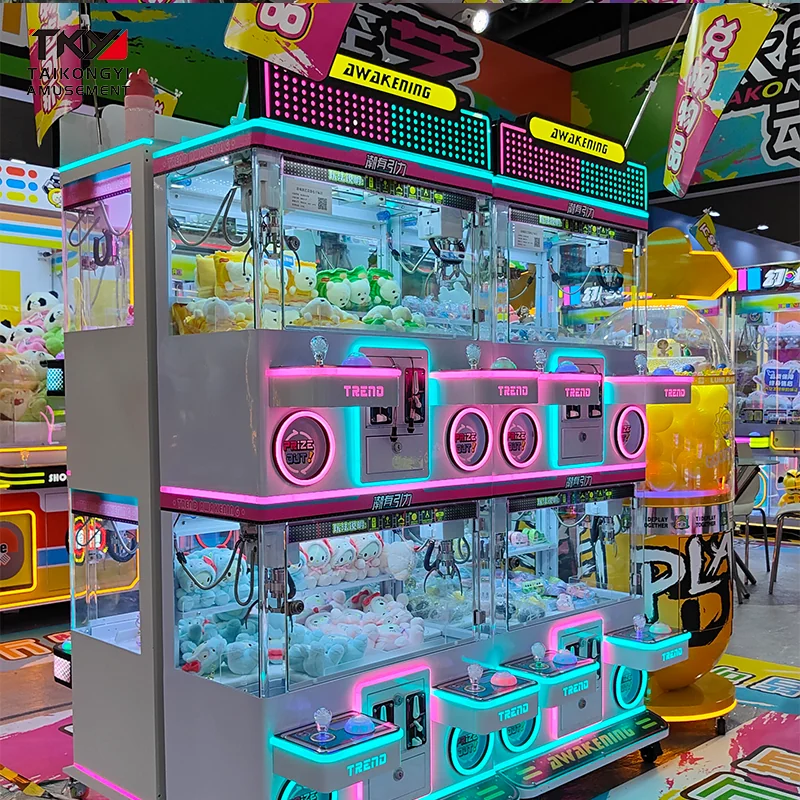
Custom claw machines create unique arcade experiences by combining customized cabinet designs, gameplay features, aydınlatma, ödeme seçenekleri, and branding. These elements can be adapted to different venues, prize types, and target audiences.
From a themed cabinet to customized game settings and interactive lighting, each feature can make the machine more engaging and better suited to its environment. For operators, this flexibility also makes it easier to create a machine that supports both player appeal and day-to-day operation.
What Can Be Customized on a Claw Machine?
Modern claw machine customization spans physical cabinets, adaptive claw grab strength, dynamic digital payment modules, and targeted sensory feedback to maximize player engagement and operational ROI.
Looking to deploy amusement hardware in high-traffic venues but worried it will blend into the background? When choosing new equipment, operators often wonder exactly what can be customized on a pençe makinesi to maximize brand recognition and earnings. Moving past basic decals, a professional build allows you to alter every touchpoint, from physical frames to the underlying win algorithms.
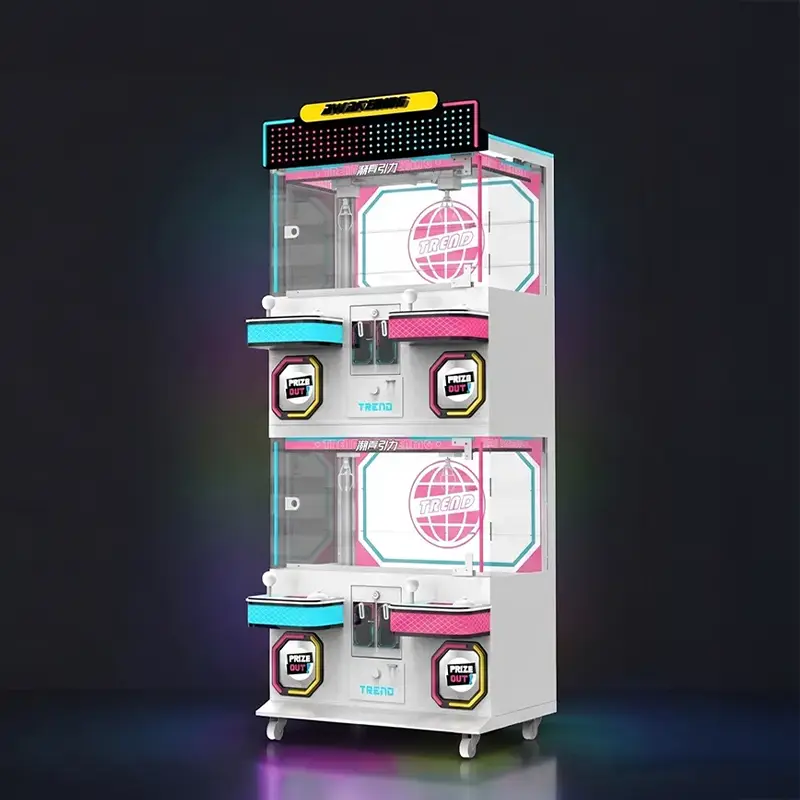
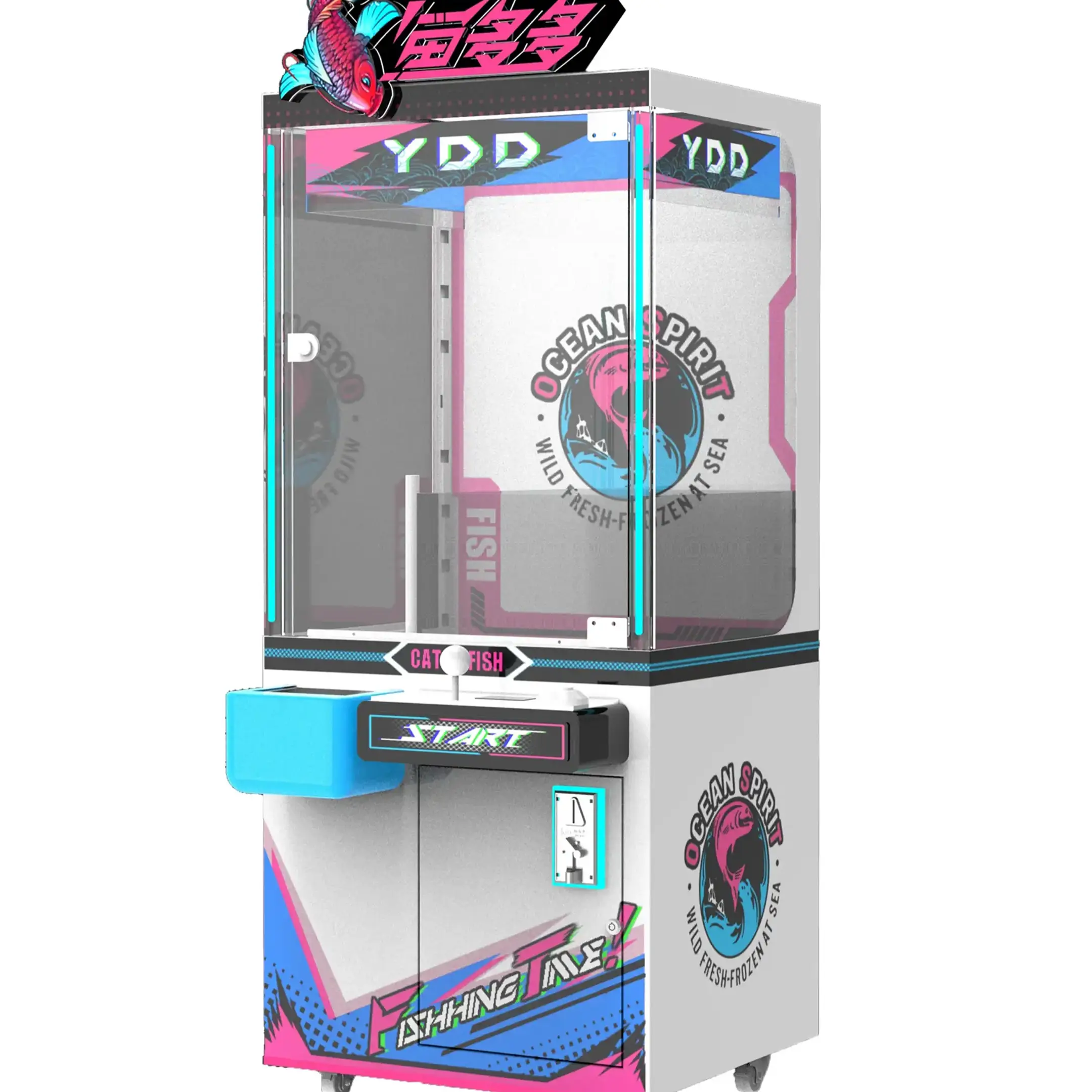
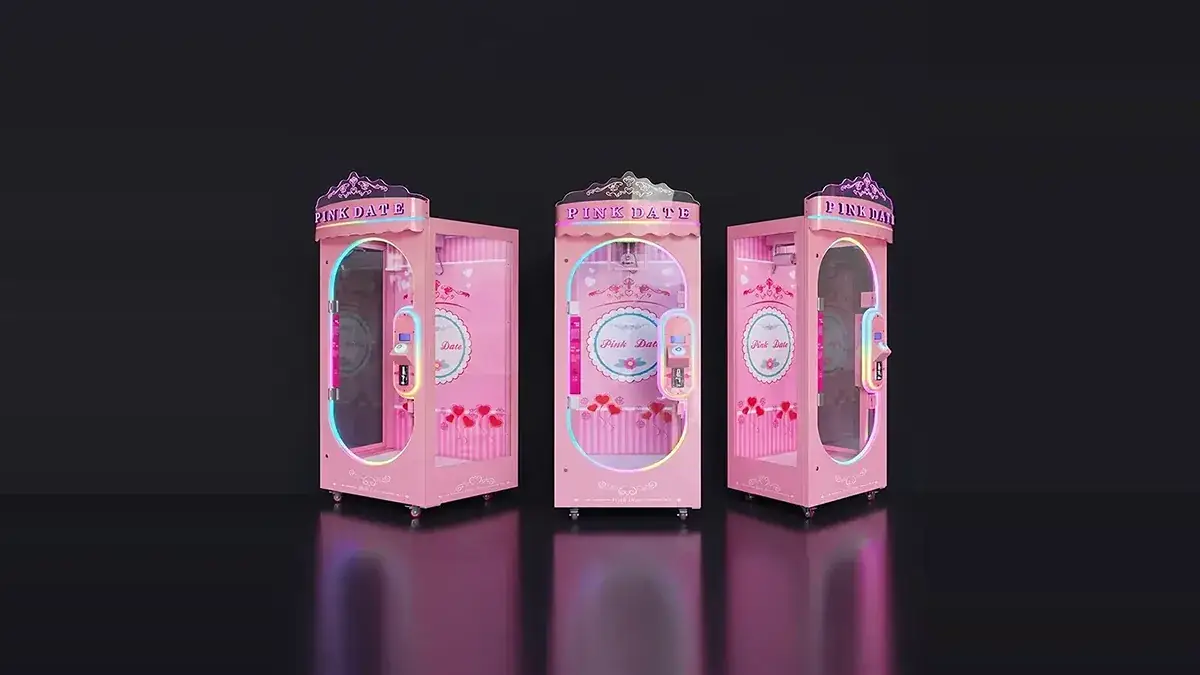
Cabinet Structure and Exterior Branding
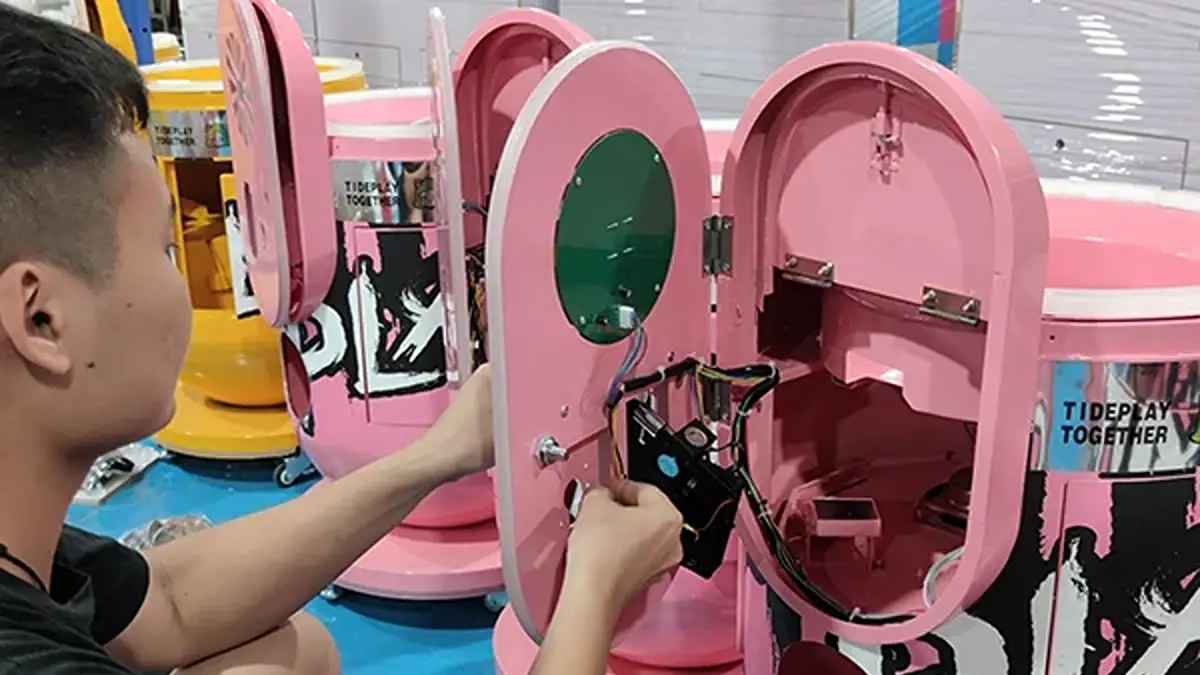
The cabinet serves as your first point of physical contact with the crowd. For outdoor or high-traffic indoor locations, operators replace standard painted wood or thin sheet metal with structural modifications built for industrial wear.
- Cabinet Proportions: Dimensions range from compact countertop units to massive multi-player stations.
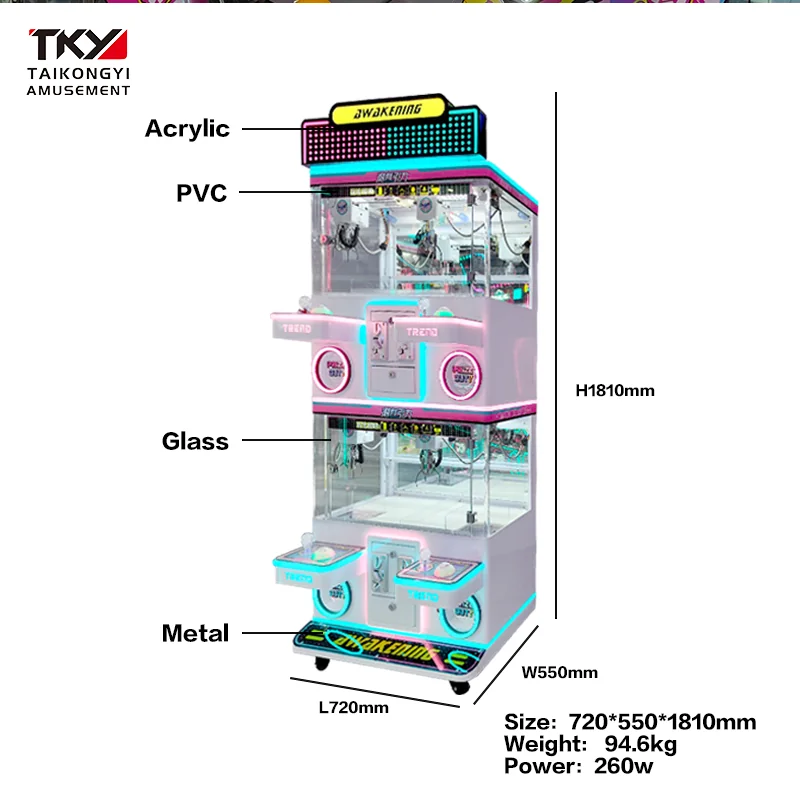
- Industrial Enclosures: Powder-coated steel, aluminum, or stainless steel can be selected according to the machine design and installation environment, while tempered safety glass provides a durable viewing area for regular public use.
- High-Resolution Wraps: Full-coverage vinyl graphics or permanent acrylic printing deploy brand colors consistently across the sides, front, and control panels.
- Illuminated Toppers: Backlit LED signage and programmable video toppers display promotional reels, looping animations, or sponsor advertisements.
Claw Hardware and Gameplay Mechanics
The mechanical gantry and crane assembly define the player’s core interactive experience. Instead of forcing a single claw size to grab every type of merchandise, we calibrate the physical hardware and the control parameters directly to match the physical properties of your target prize.
- Interchangeable Claws: Choose classic three-prong setups for plush, smaller claws for capsules, or customized metal scoops designed specifically for loose candy.
- Voltage-Controlled Grip: Operators program claw grip strength to adjust holding power during the initial grab, the lift, and the transit back to the prize chute.
- Gantry Speed Controls: Technicians configure the vertical and horizontal travel speeds of the crane alongside session timers to balance game difficulty.
Sensory Experience: Lighting and Audio Systems
Sound and lighting act as physical triggers that turn casual onlookers into active players. By integrating addressable lighting rigs and custom audio files, you change how the machine communicates during idle states and active plays.
- Dynamic RGB Systems: Fully programmable LED strips on the cabinet borders, control panel, and prize bay pulse, chase, or cycle colors to match gameplay events.
- Targeted Audio Packs: You can upload custom sound effects, voiceovers, or background jingles via USB or stream audio over Bluetooth to align with marketing campaigns.
Payment Modules and Access Control
To maximize transactional throughput, a custom machine must support the exact payment preferences of its target market. Modern control boards integrate multiple transaction protocols to combine physical cash acceptance with contactless digital ecosystems.
- Cash & Token Recipient Hardware: High-traffic commercial models use electronic coin comparators, proprietary token slot acceptors, and multi-currency bill validators.
- Cashless Digital Terminals: You can mount credit/debit card readers, NFC contactless payment portals, and localized QR-code scanners to accommodate mobile wallets.
- Event Play Configurations: For corporate trade shows or temporary pop-up marketing events, technicians can toggle a free-play software profile to bypass payment requirements.
Interior Layout and Prize Bay Design
How you display the merchandise inside the chamber directly dictates its perceived value. Modifying the inner floor layout and the physical prize chute helps you highlight premium inventory and prevent security exploits.
- Under-Prize Inlays: Adding custom-colored fabric inserts, textured mats, or mirrored panels under the prize pile elevates visual contrast and highlights product lines.
- Decorative Fill Elements: Operators use weighted faux gems, glass beads, or aquarium gravel to stabilize prize shapes and prevent prizes from sliding directly toward the chute door.
- Segmented Prize Compartments: Splitting the main prize chamber into physical tiers or localized display zones allows you to run high-value merchandise alongside standard toys.
Custom Exterior Design and Brand Integration
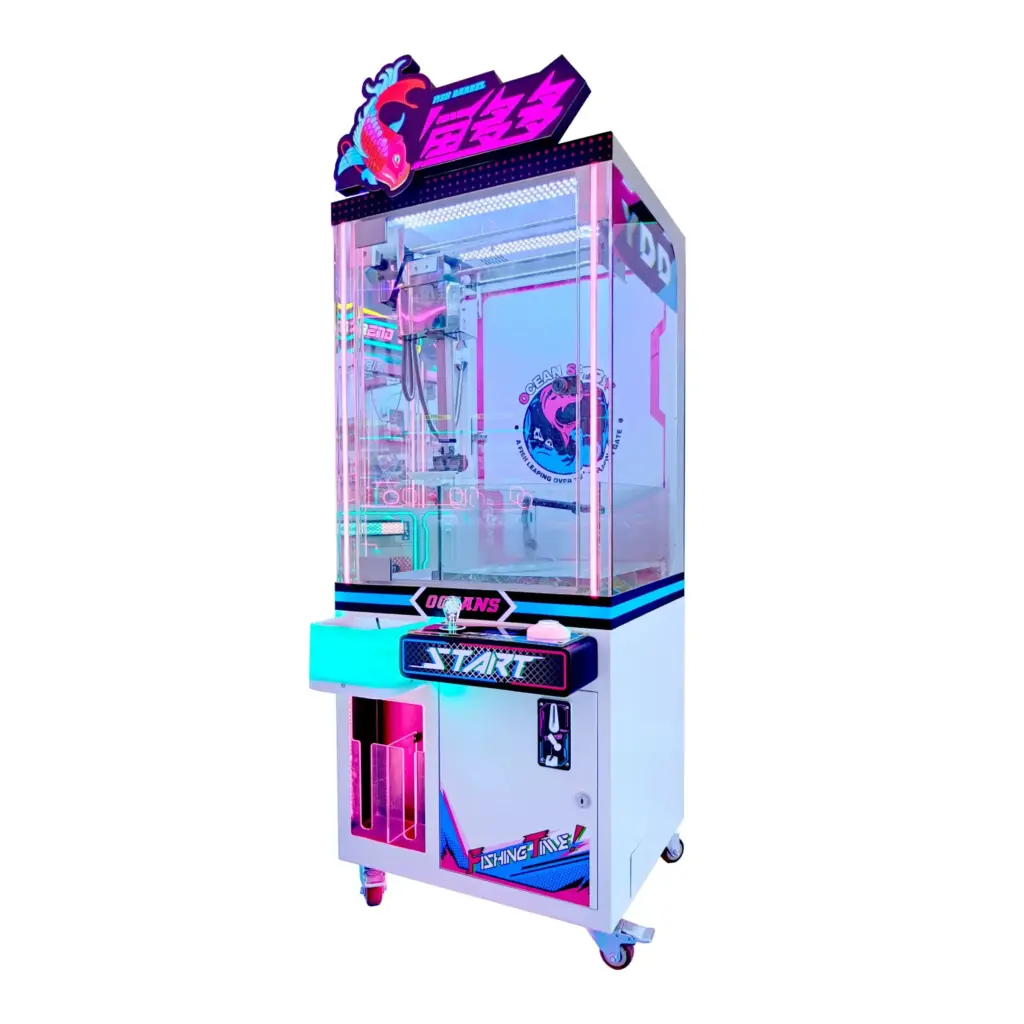
Custom exterior design converts standard claw machines into high-traffic brand assets, utilizing rugged, weather-resistant materials and cohesive visual identity to maximize player engagement.
Deploying high-impact custom claw machines requires a strategic balance between immediate visual appeal and physical durability. The cabinet’s exterior serves as the primary point of contact for players, making material choices and brand execution critical to long-term profitability.
Cabinet Materials and Structural Durability
Commercial claw machines must withstand relentless player interaction in public spaces. Standard setups require structural resilience to protect internal electronics, coin vaults, and prize stock over years of continuous operation.
Depending on the deployment venue, builders adapt material specifications to counter environmental wear:
- Internal Frame: Robust steel construction ensures commercial durability for high-traffic indoor family entertainment centers.
- Enclosure Metals: Powder-coated marine-grade aluminum or stainless steel cabinets protect semi-outdoor and outdoor installations from weather-driven corrosion.
- Enclosure Sealing: Silicone gaskets seal doors, payment slots, and control panels to prevent dust and water ingress in challenging conditions.
- Viewing Windows: Tempered glass panels featuring anti-UV and hydrophobic coatings prevent discoloration from sunlight while maintaining display clarity.
Visual Identity, Graphics, and Precision Printing
The exterior shell serves as a 360-degree promotional billboard. Consistent visual language across every visible surface improves location fit, helps the machine blend with surrounding retail aesthetics, and invites immediate player trust.
Operators apply graphics through distinct structural methods depending on expected campaign lifecycles:
- 360-Degree Graphics: High-resolution print graphics applied to the sides, front, and back panels ensure a consistent visual presentation.
- Vinyl Decals: Decorative, large-format vinyl stickers provide a flexible, cost-effective method for seasonal campaigns and temporary promotional events.
- Acrylic Printing: Direct-to-surface acrylic printing delivers a permanent, high-end finish that resists heavy wear, peeling, and daily cleaning.
- Precision Alignment: Strategic placement of logos on the marquee, side panels, and control deck maximizes brand visibility from multiple viewing angles.
Interactive Lighting, Sound, and Marquee Design
Amusement venue data shows that visual and auditory sensory triggers dominate player acquisition on crowded floors. Dynamic elements establish an active presence, drawing interest before players read the specific branding.
Modern interactive systems rely on carefully balanced specifications:
- Dynamic LED Schemes: Custom LED configurations matched to brand color palettes feature dynamic attract-mode patterns like pulsing and color cycling.
- Illuminated Header: Luminous letters and lighted elements on the top marquee highlight brand logos and thematic signage.
- Calibrated Brightness: Precise luminescence levels draw attention from a distance without causing visual discomfort or glare up close.
- Sensory Triggers: Motion sensors and interactive soundscapes play branded audio jingles when players physically approach the machine.
Brand Integration across Interface and Payment Touchpoints
The brand experience must extend beyond passive viewing into the tactile moments of play. Standardizing design details across user control and payment surfaces maintains brand immersion at the critical transaction point.
Tactile branding and spatial coordination involve key integration layers:
- Interactive Controls: Custom control panels incorporate branded button caps, illuminated rings, and printed acrylic overlays.
- Styled Payment Interfaces: Payment bays feature brand-consistent instructions, color-coded areas, and styled icons on coin slots or card readers.
- Safety Elements: Aesthetic details integrate with essential safety features, including highly visible, labeled emergency stop buttons.
- Environmental Planning: Supplier-provided 2D and 3D layout designs ensure the finished machine aligns with the physical and visual merchandising of its environment.
Maximize Profits With Premium Claw Machines
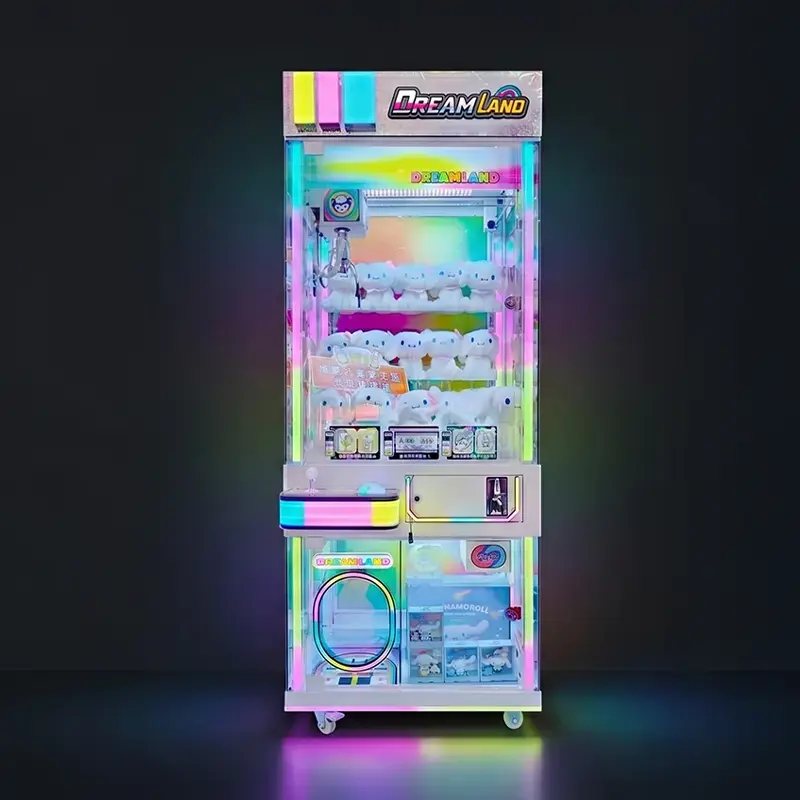
Software and Functional Customization Options
Operators leverage software and functional customization to calibrate difficulty, integrate cashless payments, track real-world revenue, and manage multi-site fleets through cloud dashboards.
Core Gameplay Logic and Difficulty Calibration
Calibrating game math is the starting point of claw machine operation. Standard software packages allow on-site technicians to adjust key mechanics directly through internal system menus, balancing player satisfaction with steady profit margins.
- Win Probability Algorithms: Program target payout rates and percentage-based win-rate settings directly through internal system menus.
- Claw Voltage Curves: Configure voltage settings, typically spanning 5–24 V, to control grab strength during different lift versus movement stages.
- Alternative Play Modes: Select Bottom Catch (automatic claw drop at the lowest point) or Air Catch (allowing players to stop the gantry mid-air for skill-based drops).
Adjusting claw strength curves over time—such as extending high-voltage duration for 0 ile 8 seconds—protects your margins. It ensures that the claw retains its strong grip only at specific intervals, maintaining a fun yet profitable difficulty level.
Operational Settings and Payment System Integration
Adapting to regional payment habits and daily venue traffic patterns requires highly flexible operational software. Modern control boards map multiple payment inputs to unified credit logic to prevent lost sales.
- Dynamic Pricing Capabilities: Schedule peak, off-peak, or promotional cost-per-play rules to drive traffic during slow hours.
- Multi-Payment Mapping: Link physical coin acceptors, fatura doğrulayıcıları, and digital QR/NFC readers to standard system credits.
- Variable Game Speed: Tune horizontal and vertical gantry travel speeds alongside countdown limits to manage throughput in busy corridors.
Combining traditional coin slots with cashless card readers helps capture impulse plays from card-carrying adults and coin-using children alike, optimizing revenue per machine.
Remote Fleet Management and Diagnostics
Route operators scaling to dozens of locations must monitor machine health and earnings remotely. Cloud connectivity removes the need for physical route audits and reduces down-time.
- Cloud-Connected Dashboards: Track plays, win-loss ratios, and hourly revenue metrics in real time.
- Remote Parameter Updates: Push voltage adjustments, pricing edits, or seasonal campaign modes over the network instantly.
- Automated Diagnostics: Run automatic sensor checks, detect motor calibration faults, and trigger maintenance alerts to off-site technicians.
Relying on telemetry data lets your service team prepare exact replacement parts before heading to the field. This lowers labor costs and restores broken gantries quickly.
Custom Platform Development and App Integration
Enterprise deployments often require deep software integration with proprietary apps. Custom development paths allow software engineers to write completely custom-coded mechanics from scratch.
- OEM Game Modules: Deploy customized, multi-language user interfaces with localized campaign copy and regional font libraries.
- Micro-Controller APIs: Build custom controls using single-board computers like Raspberry Pi with dedicated software development kits.
- Third-Party Mobile Apps: Connect systems to external platforms for remote queuing and digital coupon verification.
Integrating these open-source APIs transforms the physical cabinet into a digital touchpoint. It lets you run gamified product giveaways and collect user engagement data in real time.
Shipping and Packaging Solutions
Custom claw machines require suitable protection during transportation. Depending on the machine structure and shipping requirements, options can include soft wrapping, wooden frames, plywood strips, and wooden crates.
Selecting the right packaging helps protect claw machine arcade from damage during handling and transit. Because these machines contain glass, mechanical components, and electronic systems, standard shipping boxes may not provide enough protection for larger units.
Protective Packaging for Transportation
Different parts of a claw machine require different levels of protection during transportation. Common packaging solutions include:
- Soft Wrapping: Protective soft materials help reduce scratches and surface damage to the cabinet during handling.
- Wooden Frames: Wooden frames provide additional support around the machine and help protect the structure during transportation.
- Plywood Strips: Plywood strips can reinforce exposed areas and help secure the machine during loading and unloading.
- Wooden Crates: Wooden crates provide an additional protective layer for machines shipped over long distances or internationally.
Export Packaging Requirements
For international shipments, wooden packaging may need to meet the applicable requirements of the destination market. Where ISPM-15 applies, wooden packaging should be properly treated and marked before shipment.
- ISPM-15 Compliance: Where applicable, wooden packaging should meet the relevant treatment and marking requirements for international shipment.
- Shipping Documents: Export shipments may require documents such as commercial invoices, packing lists, and other destination-specific customs documents.
Quality Checks and Receiving Inspection
Checking the machine before shipment and again after delivery can help identify potential transport damage early.
- Pre-Shipment Inspection: Check the machine’s appearance, functions, and packaging condition before shipment.
- Receiving Inspection: Inspect the outer packaging and machine after delivery and document any visible damage with photos.
- Freight Claims: Follow the supplier’s agreed procedure and claim deadline if damage occurs during transportation.
OEM Development Process From Concept to Production
This guide outlines the structured engineering-to-delivery pipeline for custom OEM claw machines, ensuring predictable timelines, regulatory compliance, and robust build quality for global operators.
| Development Phase | Key Deliverables | Typical Timeline |
|---|---|---|
| 1. Requirement Capture | Technical specifications, target market definition, and footprint parameters. | Week 1 |
| 2. Concept & Quotation | 2D renderings, power planning, load calculations, and tiered pricing. | Weeks 1–2 |
| 3. Detailed Engineering | 3D CAD mechanical files, custom electronics wiring, and functional prototypes. | Weeks 2–6 |
| 4. Production Preparation | SOP sheets, line balancing jigs, and packaging mold setups. | Weeks 6–8 |
| 5. Mass Production & QA | Serial assembly, electrical grounding checks, and heavy-duty export crating. | Weeks 8–12+ |
Requirement Capture and Project Initiation
The OEM development process for custom claw machines requires clear milestones to move an idea into serial manufacturing without costly engineering errors. In this opening phase, technical managers define the structural, physical, and regulatory boundaries that the machine must respect based on its destination venue. If you want to learn more about how are claw machines made, see our guide to the claw machine manufacturing process.
- Deployment Context: Define the target market, target location footprint constraints, and regional electrical requirements like 110V vs 220V power standards.
- Mechanical Specs: Specify claw size, prize weight capacities, expected prize characteristics, and integrated payment system types.
- Feasibility Check: Run early stress and movement feasibility reviews on complex mechanics and draft an initial bill of materials (BOM).
Concept Design and Commercial Quotation
Once specs are clear, the industrial design team shapes the aesthetic identity. This stage bridges visual merchandising goals with structural requirements, creating a balance between player appeal and reliable cabinet architecture.
- Visual Mockups: Generate high-resolution 2D renderings, thematic artwork concepts, and initial physical layout prints.
- Technical Calculations: Conduct initial load calculations, plan power distribution networks, and review electrical safety safety standards for CE or UL markets.
- Commercial Offer: Provide tiered bulk pricing matrices and clear timelines spanning prototyping to serial production.
Detailed Engineering and Iterative Prototyping
Theoretical design transitions to physical models. The engineering team utilizes 3D CAD modeling to plan internal mechanics, electronic routing paths, and game firmware control boards before starting physical prototyping runs.
- 3D Modeling: Build complete 3D CAD models detailing sheet metal chassis frames, crane gantry tracks, wiring harnesses, and custom PCBs.
- Iterative Builds: Construct functional mockups using rapid 3D printing, moving gantry assemblies, and production-grade pilot units.
- Stress Testing: Conduct continuous cycle testing on claw voltage curves, motor heat dissipation, and safety systems for final sign-off.
Production Preparation and Manufacturing Engineering
With prototype approval secured, focus shifts to preparing the factory floor. Engineers organize the supply chain and calibrate machinery to ensure consistent assembly quality across large volumes.
- Procurement: Settle supply chains for metal panels, tempered safety glass, custom claw assemblies, and control electronics.
- Line Balancing: Document step-by-step assembly workflows and balance workstations to prevent production bottlenecks.
- Precision Tooling: Fabricate custom welding jigs, assembly alignment fixtures, and protective packaging foam molds.
Mass Production, Kalite Güvencesi, and Delivery
Serial manufacturing launches with structured quality control checks at every stage. Raw materials undergo automated processing before skilled technicians install the operational systems and prepare the units for international shipping.
- Fabrication: Run precise sheet metal laser cutting, frame welding, powder coat painting, and adhesive graphic wrapping.
- System Integration: Install main control boards, organize internal wiring, wire payment readers, and load custom game firmware parameters.
- QA & Nakliye: Perform electrical grounding checks, run functional cycle tests, and secure units in heavy-duty export crates.
Choosing a Custom Claw Machine Manufacturer
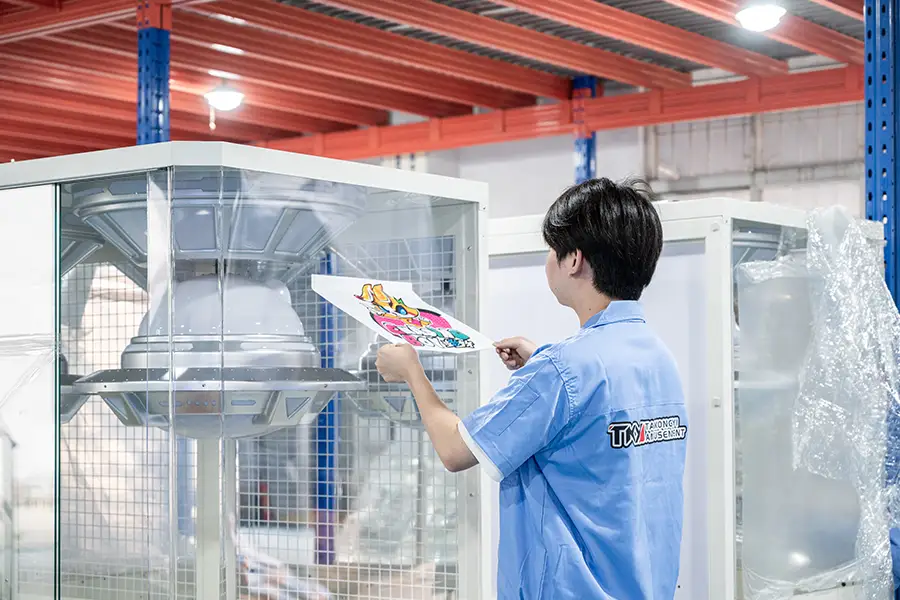
Traceable safety certifications, precise mechanical tolerances, and rigorous factory audits separate reliable custom claw machine manufacturers from high-risk assembly workshops.
Are you about to sign a bulk procurement contract without verifying if your custom claw machine manufacturer can pass a local electrical inspection? Landlords and customs officials will halt your rollout immediately if your hardware lacks traceable, lab-verified compliance marks.
Safety and Regulatory Compliance Standards
Importing arcade equipment without verified paperwork is a fast track to customs seizures and insurance denials. Landlords in premium retail locations require certified proof of safety before allowing any machine on the floor.
- Regional Compliance Marks: Complete verification of CE, FCC, Ve RoHS certificates to ensure smooth customs clearance and regional deployment.
- Amusement Safety Benchmarks: Review applicable amusement-machine safety requirement, together with any additional national or regional requirements that apply to the target market.
- Accredited Lab Reports: Real, downloadable test reports from accredited third-party laboratories rather than easily falsified self-declaration sheets.
Material and Mechanical Performance Specifications
Cheap plastic cabinets and soft alloy claws degrade rapidly under high-volume public usage. Yatırımınızı korumak için, demand strict engineering thresholds for all structural components.
- Cabinet and Mechanical Performance: Evaluate the cabinet structure, viewing panels, claw assemblies, motorlar, raylar, and other high-wear components according to the machine’s intended usage and prize type.
- Mechanical Quality: Ask the manufacturer for relevant material specifications, functional test results, and quality-control procedures rather than relying on one fixed thickness, hardness rating, or cycle-life figure.
- Prize Dispensing: If the machine is designed to dispense food or other regulated products, confirm that the materials and product-contact components meet the applicable requirements for the destination market and intended use.
Customization and System Integration Capabilities
A generic machine fails to capture consumer attention in crowded retail hubs. Your manufacturing partner must offer deep integration across visual, mechanical, and electronic layers.
- Structural Integration: Bespoke cabinet layouts, customized branding packages, and tempered safety glass complying with EN 12150 standards.
- Advanced Game Logic: Multi-functional control boards allowing operators to adjust claw grip voltage (typically 5–24 V) and set precise, region-compliant win probability algorithms.
- Payment Protocols: Native support for ccTalk and MDB industry standards alongside integrated cashless readers and certified IoT telemetry modules.
Factory Scale and Quality Control Processes
Trading companies operating out of small offices cannot guarantee batch consistency or fulfill large rollouts on time. Verify the physical infrastructure of your potential supplier before wired transfers are initiated.
- Operational Track Record: Look for relevant experience in claw machine or amusement equipment manufacturing, supported by a clear product portfolio and experience serving different markets.
- Facility and Production Capacity: Evaluate the manufacturer’s production space, teçhizat, workforce, quality-control process, and ability to handle your expected order volume rather than relying on a fixed factory-size threshold.
- Quality Management Systems: Strict execution of ISO 9001 standards, including incoming component testing, in-process wiring safety checks, and final burn-in testing.
- Supply Chain Audits: Availability of recent, unedited third-party factory audit reports from independent institutions like SGS.
After-Sales Support and Supplier Risk Assessment
A machine waiting for a replacement part generates zero revenue. Long-term profitability relies on a solid legal and logistical agreement that protects your operations from post-purchase downtime.
- Service Infrastructure: Written commitments for spare parts availability, technical response times, and step-by-step operator training guides.
- Contractual Protections: Purchase agreements that explicitly state performance parameters, target delivery dates, and required compliance certifications as enforceable terms.
- Garanti Kapsamı: Defined factory warranty periods protecting high-stress components such as power supply modules, gantry rails, and main logic boards.
Securing these technical commitments during the initial sourcing phase prevents costly operational disruptions down the line. A systematic evaluation of compliance, yapı kalitesi, and factory capacity ensures your rollout proceeds without delays.
Sıkça Sorulan Sorular
Can claw machines be customized?
Evet. Claw machines can be customized in areas such as cabinet design, exterior graphics, claw systems, aydınlatma, sound, ödeme seçenekleri, and gameplay settings. Customization can be tailored to the venue, ödül türü, ve hedef kitle.
How much does a custom claw machine cost?
The cost depends on the machine size, cabinet design, malzemeler, gameplay features, markalaşma, ödeme sistemi, order quantity, and other customization requirements. Doğru bir fiyat için, manufacturers typically need the project specifications and order quantity.
Can I add my logo to a claw machine?
Evet. A manufacturer can incorporate your logo into areas such as the marquee, side panels, control panel, and other visible surfaces. Custom graphics and exterior finishes can also be used to create a consistent brand identity.
What customization options are available?
Common options include cabinet size and shape, colors and graphics, aydınlatma, sound, claw types, prize layouts, ödeme sistemleri, control panels, and gameplay settings. The available options depend on the machine model and manufacturer.
Can manufacturers modify software?
Evet. Depending on the machine and manufacturer, software can be customized for gameplay settings, difficulty levels, payment functions, lighting effects, sounds, and other operational features.
How long does custom production take?
Production time varies according to the level of customization, order quantity, prototype requirements, and production schedule. A manufacturer can provide a more accurate timeline after reviewing the machine specifications and project requirements.
Can claw machines have unique designs?
Evet. Custom claw machines can use unique cabinet shapes, renkler, graphics, aydınlatma, and themed exterior designs. These options allow businesses to create machines that fit a particular brand, mekan, campaign, or entertainment concept.
Do manufacturers provide OEM services?
Evet. OEM services can cover customized cabinet designs, markalaşma, hardware configurations, software features, and other product requirements. The exact scope depends on the manufacturer’s development and production capabilities.
Can packaging be customized?
Evet. Packaging can be adapted to the machine’s size and shipping requirements. Protective foam, reinforced crates, and other export packaging solutions can be used to help protect custom claw machines during transportation.
How do I order branded claw machines?
Start by providing the manufacturer with your logo, preferred design, machine type, prize requirements, target market, and order quantity. The manufacturer can then confirm customization options, fiyatlandırma, production requirements, and delivery arrangements.
Son Düşünceler
For high-traffic commercial environments, the quality of the cabinet, mechanical components, electrical systems, and after-sales support can have a direct impact on day-to-day operation.
A manufacturer with clear quality-control procedures, relevant compliance documentation, and practical customization capabilities can help operators build a more reliable and distinctive claw machine setup.
We recommend reviewing our complete technical catalog or ordering a single prototype unit to evaluate the physical build quality and gantry precision firsthand.
Our engineering team is ready to review your branding assets and map out a tailored OEM production blueprint for your fleet. Contact our commercial desk to discuss your specific volume requirements and regional shipping logistics.